Iron Deficiency Anemia: Natural Solutions and Recovery Strategies
Discover natural ways to restore iron levels, including diet, supplements, and absorption tips for managing iron deficiency anemia.

Iron deficiency anemia is the most common type of anemia worldwide. It occurs when the body doesn't have enough iron to produce adequate hemoglobin, leading to reduced oxygen delivery and symptoms like fatigue, weakness, and pale skin.
Key Takeaways
- This topic covers general wellness considerations relevant to everyday supplement choices.
- Quality, consistency, and a balanced diet matter more than any single product.
- Review labels and consult a healthcare professional before starting something new.
While severe anemia often requires medical treatment, mild to moderate cases can frequently be addressed with dietary changes, targeted supplements, and improved absorption strategies. This guide covers natural approaches to restoring iron and supporting healthy blood.
Understanding Iron Deficiency Anemia
Iron deficiency anemia develops in stages:
1. **Iron depletion**: Iron stores (ferritin) begin to decline, but hemoglobin remains normal.
2. **Iron deficiency**: Iron stores are exhausted, and red blood cell production starts to suffer.
3. **Iron deficiency anemia**: Hemoglobin drops below normal, causing symptoms.
Common Causes
· Inadequate dietary intake
· Blood loss from menstruation or internal bleeding
· Pregnancy and lactation
· Poor absorption due to digestive disorders
· Frequent blood donation
· Growth spurts in children
Symptoms of Iron Deficiency Anemia
· Persistent fatigue
· Weakness
· Pale or yellowish skin
· Shortness of breath
· Rapid heartbeat
· Dizziness
· Cold hands and feet
· Brittle nails
· Cravings for ice, dirt, or starch (pica)
· Difficulty concentrating
If you experience these symptoms, it's important to see a healthcare provider for proper diagnosis and treatment.
Diagnosing Iron Deficiency Anemia
A doctor may order:
· **Complete blood count (CBC)**: Measures hemoglobin and hematocrit.
· **Ferritin**: Reflects iron stores.
· **Serum iron and TIBC**: Assess circulating iron and binding capacity.
· **Transferrin saturation**: Indicates how much iron is available for use.
Working with a provider ensures the cause of anemia is identified and treated appropriately.
Dietary Strategies to Restore Iron
Heme Iron Sources
Heme iron, found in animal products, is absorbed 2-3 times better than non-heme iron.
Non-Heme Iron Sources
Plant-based iron requires more careful pairing with absorption enhancers.
Enhancing Iron Absorption Naturally
Pair Iron With Vitamin C
Vitamin C converts non-heme iron into a more absorbable form. Add citrus, bell peppers, strawberries, tomatoes, or broccoli to iron-rich meals.
Avoid Iron Inhibitors at Meals
Certain compounds reduce iron absorption:
· **Tannins**: Found in tea and coffee
· **Calcium**: In dairy and calcium supplements
· **Phytates**: In whole grains and legumes (soaking, sprouting, and fermenting reduce phytates)
· **Antacids and PPIs**: Reduce stomach acid needed for iron absorption
Cook in Cast Iron
Cooking acidic foods like tomato sauce in cast iron cookware can increase iron content.
Support Stomach Acid
Adequate stomach acid is needed to release iron from food. Avoid unnecessary acid blockers and consider digestive support if low acid is suspected.
Supplement Strategies
When diet alone isn't enough, supplements can help. Effective options include:
· **Ferrous bisglycinate**: Gentle, well-absorbed chelated iron.
· **Heme iron polypeptide**: Naturally bioavailable.
· **Liquid iron**: May be easier to tolerate and dose-adjust.
· **Iron with vitamin C**: Enhances absorption.
Start with a lower dose and increase as tolerated. Many people find taking iron every other day improves absorption and reduces side effects.
Lifestyle Considerations
Manage Blood Loss
For women with heavy menstrual bleeding, addressing the underlying cause is essential. This may involve working with a gynecologist to evaluate hormonal balance, fibroids, or other conditions.
Support Digestive Health
Conditions like celiac disease, SIBO, and low stomach acid impair iron absorption. Treating these issues can improve iron status over time.
Don't Overdo Calcium
Calcium competes with iron for absorption. If you take both supplements, separate them by at least 2 hours.
FAQ
What are the best natural sources of iron?
Liver, red meat, oysters, lentils, spinach, beans, pumpkin seeds, and quinoa are excellent sources.
How can vegetarians get enough iron?
Vegetarians should focus on legumes, leafy greens, fortified grains, seeds, and pair plant iron with vitamin C-rich foods.
Can iron deficiency anemia be cured naturally?
Mild cases often respond to diet and supplements. Severe anemia may require medical treatment, including iron infusions.
How long does it take to recover from iron deficiency anemia?
Energy may improve within 2-4 weeks, but ferritin levels can take 3-6 months to normalize.
What foods should I avoid if I'm anemic?
Avoid tea, coffee, and large amounts of calcium around iron-rich meals.
Is it better to take iron every day or every other day?
Some research suggests alternate-day dosing improves absorption and reduces side effects.
Can stress cause iron deficiency?
Stress itself doesn't cause iron deficiency, but it can worsen symptoms and may affect digestion and nutrient absorption.
Should I take iron without testing?
No. Taking iron when you don't need it can be harmful. Get ferritin and CBC testing first.
Conclusion
Iron deficiency anemia is common but manageable. With the right dietary choices, absorption strategies, and quality supplements, most people can restore their iron levels naturally over time.
well&whole offers gentle iron supplements that pair well with vitamin C and digestive-support formulas. If you're struggling with fatigue or suspect low iron, consult your healthcare provider for testing and a personalized recovery plan.
Related supplements
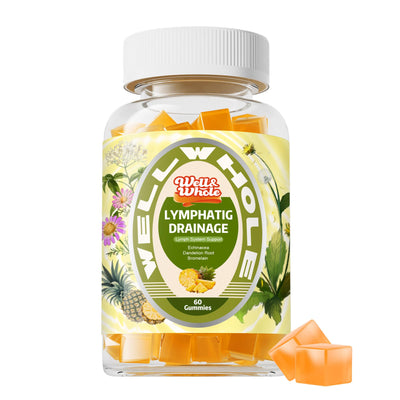
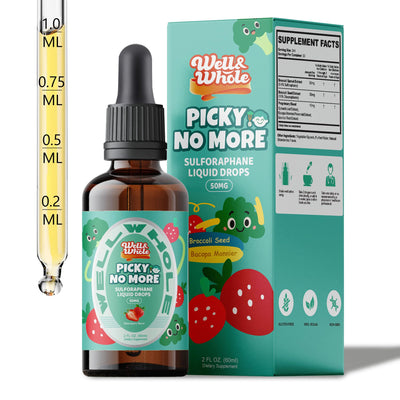
If you're ready to put this into practice, our Lymphatic Drainage Supplements Gummies with Echinacea Dandelion Burdock for Adults with Immune and Energy Support and Sulforaphane Broccoli Supplement Liquid Drops for Kids with Sulforaphane, Glucoraphanin, Bacopa Monnieri are formulated with this in mind. You can also compare the Immune Support and Health Benefits ranges to find the format that suits you.
How to think about this topic
Wellness topics are most useful when viewed as part of an overall lifestyle—diet, sleep, movement, and stress management all interact and reinforce one another.
A targeted supplement can support a specific goal, but it works best within that broader picture rather than as a standalone fix.
Approaching wellness as a stack of small, sustainable habits tends to produce steadier results than abrupt, all-or-nothing changes.
Who might be interested
Adults building a more intentional wellness routine often explore the relevant nutrient or ingredient as one piece of that routine.
Individual needs vary by age, diet, activity level, and health status, so personalized guidance from a professional is valuable.
How to choose a quality product
Prioritize third-party testing, transparent labeling of active amounts, and reputable sourcing over marketing claims.
Pick a format you will use consistently, and stay within labeled servings—more is not automatically better.
How it may fit alongside a balanced diet
Supplements complement, not replace, a varied diet built on vegetables, lean proteins, whole grains, and healthy fats.
Think of them as a top-up for gaps in an already reasonable diet, not a substitute for one.
Small habits that compound
Lasting results usually come from repeatable routines: a consistent sleep schedule, regular movement, hydration, and mindful eating.
Layering a single well-chosen supplement onto those habits is far more effective than relying on the supplement alone.
This article is for general wellness education and is not intended to diagnose, treat, cure, or prevent any condition. Individual needs vary—always review product labels and consult a qualified healthcare professional before starting any new supplement.
These statements have not been evaluated by the Food and Drug Administration. This product is not intended to diagnose, treat, cure, or prevent any disease.