Inulin and Prebiotics Explained

Inulin is a prebiotic fiber: your body does not digest it, but the beneficial bacteria in your gut ferment it readily, which makes it one of the most studied ways to feed a healthy microbiome. Found naturally in chicory root, Jerusalem artichokes, onions, and bananas, inulin explains much of what prebiotic supplements actually do.
What inulin actually is
Inulin is a type of carbohydrate built from fructose chains, stored by many plants as an energy reserve. Because human digestive enzymes cannot break those chains down, inulin travels intact to the colon, where gut bacteria ferment it. That fermentability is the whole point: a prebiotic is defined by being selectively used by microbes that are useful to you. Food sources with the highest amounts include chicory root, Jerusalem artichoke, garlic, onions, leeks, asparagus, and slightly under-ripe bananas. Wheat and oats contribute smaller amounts. If you eat a varied, plant-forward diet, you already get some prebiotic fiber every day without trying.
Prebiotic versus probiotic: the difference that matters
A probiotic delivers live bacteria; a prebiotic feeds the bacteria already living in your gut. The two play different roles, and one does not replace the other. Think of the microbiome as a garden: probiotics are new seedlings, while prebiotics are fertilizer for what is planted. Label wording blurs the line too — 'prebiotic' is a functional description rather than a regulated species claim, so the ingredient list tells you more than the front panel. Fermented foods like yogurt, kefir, and sauerkraut add live cultures, while inulin-rich foods support the resident community. For most people, improving the food side first is the cheaper and more durable move, because resident bacteria that are well fed keep their place in the lining of the digestive tract.
What fermentation produces — and why it matters
When gut bacteria ferment inulin, one of the main outputs is short chain fatty acids, especially butyrate. These compounds help maintain the gut lining, participate in normal inflammatory signaling, and serve as an energy source for colon cells. This is the mechanism behind most of the gentle, whole-body claims attached to prebiotic fiber: the benefit is mediated by what your own microbes do with it, not by the fiber acting directly. It is also why responses differ from person to person — two people can eat identical amounts of inulin and host very different fermentation profiles.
How to add inulin without the bloating
The most common complaint about inulin is gas and bloating, and it is a dose problem more than a tolerance verdict. Start small — a few grams a day, roughly what half an onion or a small banana provides — and increase over two to three weeks. Drink water, spread intake across meals rather than one concentrated serving, and step back a notch if discomfort shows up. People managing IBS often do better with smaller, steady amounts and may prefer working with a dietitian, since fermentable carbohydrates as a group can trigger symptoms in sensitive guts. anyone with a sensitive digestive system should treat labeled inulin in snack bars and shakes the same way: check the serving size, because a single product can hide ten grams.
What the evidence has not settled
Prebiotic research is promising but young. Most trials are short, use small groups, and measure intermediate markers — bacteria counts, short chain fatty acid levels, transit time — rather than long-term health outcomes. Individual responses vary widely with existing microbiome composition, so a friend's glowing review of a prebiotic fiber routine predicts little about yours. Claims that go well beyond digestion and microbes deserve skepticism until larger trials replicate them. The safest reading: prebiotic fiber from varied whole foods is a reasonable default, targeted supplements are a tool for specific gaps, and dramatic promises are a signal to read the study, not the label.
Key takeaways
- Inulin is a prebiotic fiber that gut bacteria ferment into short chain fatty acids.
- Chicory root, Jerusalem artichoke, onions, garlic, and bananas are the richest everyday food sources.
- Prebiotics feed resident bacteria; probiotics add new ones — they complement, not replace, each other.
- Start with a few grams daily and ramp slowly to avoid gas and bloating.
- Check labels on bars and shakes: added inulin adds up faster than whole foods do.

Frequently asked questions
Is inulin the same as regular fiber?
It is one type of fiber, specifically a soluble, fermentable one. Unlike insoluble fiber, which adds bulk, inulin dissolves in water and is fermented by gut bacteria, which is why its effects — and its side effects — are different from wheat bran or cellulose.
Do you need an inulin supplement if you eat vegetables?
Not necessarily. A varied plant-forward diet usually supplies several grams of prebiotic fiber daily. Supplements make sense when intake is low, when a clinician recommends them, or when a specific product and dose has been chosen deliberately rather than by accident.
How much inulin per day is typical?
Studies commonly examine roughly five to ten grams daily, but there is no universal target. The practical answer: begin around two to three grams, tolerate it comfortably for a week, then decide whether more serves you. Comfort is a better guide than a number.
Why does inulin cause gas?
Fermentation produces gases as a byproduct, so some increase in flatulence is normal and usually settles within days. Persistent, painful bloating is a signal to slow the ramp-down of dose, split servings across meals, or review overall fermentable carbohydrate load with a professional.
Related supplements
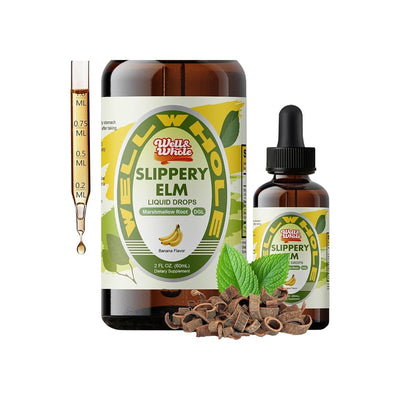
If you'd like to try it, Slippery Elm Liquid Drops, Marshmallow Root, Slippery Elm Bark Drops for Women, DGL Licorice Extract, Digestive Health, and Kids’ Black Walnut Digestive Support Drops, 14-in-1 Herbal Formula, Mixed Berry, Ages 1+, 2 fl oz are the closest match to what we've covered here. Browse Digestive Support and Health Benefits to see how the alternatives compare.
These statements have not been evaluated by the Food and Drug Administration. This product is not intended to diagnose, treat, cure, or prevent any disease. Talk to a healthcare professional before starting any new supplement, especially if you are pregnant, nursing, taking medication, or managing a health condition.
These statements have not been evaluated by the Food and Drug Administration. This product is not intended to diagnose, treat, cure, or prevent any disease.