Inflammation and Heart Disease: The Hidden Connection
Discover how chronic inflammation may drive heart disease. Learn which natural ingredients—including cayenne, turmeric, and CoQ10—may support a healthy inflammatory response.

For decades, cholesterol was cast as the sole villain in heart disease. But researchers now recognize that chronic, low-grade inflammation is an equally important driver of cardiovascular disease—and in some cases, the primary one. A landmark study published in *The Lancet* involving over 30,000 participants found that reducing inflammation, even without changing cholesterol levels, significantly lowered the risk of cardiovascular events.
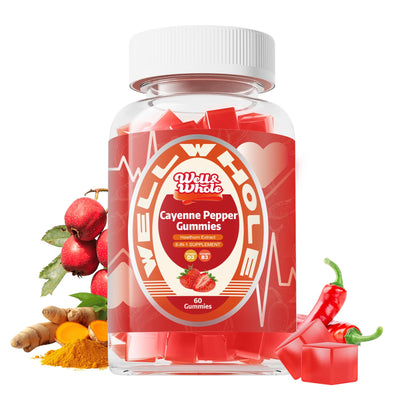
This revelation has shifted how scientists and clinicians think about heart health. If inflammation is fueling the fire, then supporting the body's natural inflammatory response may be just as important as managing cholesterol. This article explores the inflammation-heart disease connection and examines how specific natural ingredients—including those found in well&whole Cayenne Pepper Heart Health Gummies—may help support cardiovascular wellness through inflammatory balance.
Understanding Inflammation: Acute vs. Chronic
The Protective Response
Inflammation is not inherently harmful. Acute inflammation is the body's natural response to injury or infection—increased blood flow, immune cell mobilization, and heat are signs that the healing process is underway. Without this response, wounds would not heal and infections would go unchecked.
When Inflammation Turns Chronic
The problem arises when inflammation becomes chronic and systemic. Unlike acute inflammation, which resolves once the threat is eliminated, chronic inflammation smolders quietly for months or years. This persistent immune activation can damage healthy tissues, including the inner lining of blood vessels.
Key differences:
| Feature | Acute Inflammation | Chronic Inflammation |
|---|---|---|
| Duration | Hours to days | Months to years |
| Cause | Injury, infection | Lifestyle, stress, poor diet, autoimmune conditions |
| Effect | Promotes healing | Damages tissues |
| Cardiovascular impact | Minimal | Major contributor to arterial damage |
How Inflammation Drives Heart Disease
The Vascular Injury Cycle
The connection between inflammation and heart disease centers on the endothelium—the delicate inner lining of blood vessels. Here's how the process unfolds:
1. **Endothelial dysfunction**: Chronic inflammation damages the endothelium, making it more permeable and less able to regulate vascular tone.
2. **LDL infiltration**: Damaged endothelium allows LDL cholesterol particles to penetrate the arterial wall more easily.
3. **Oxidation and immune response**: Once inside the arterial wall, LDL particles become oxidized. The immune system detects these oxidized particles as threats and sends macrophages to engulf them.
4. **Foam cell formation**: Macrophages that consume oxidized LDL transform into foam cells, which accumulate and form the basis of atherosclerotic plaques.
5. **Plaque instability**: Inflammatory molecules (cytokines) released by immune cells weaken the fibrous cap of the plaque, making it more likely to rupture.
6. **Rupture and clotting**: When a plaque ruptures, it triggers blood clotting, which can block blood flow and cause a heart attack or stroke.
Key Inflammatory Markers
Research has identified several blood markers that reflect the level of systemic inflammation:
- **hs-CRP (high-sensitivity C-reactive protein)**: The most widely studied inflammatory marker for cardiovascular risk. The JUPITER trial showed that elevated hs-CRP predicted cardiovascular events even in people with normal cholesterol levels.
- **IL-6 (interleukin-6)**: A cytokine that promotes inflammation and is elevated in people with cardiovascular disease.
- **TNF-alpha**: Another pro-inflammatory cytokine associated with endothelial dysfunction and plaque instability.
A study in the *New England Journal of Medicine* found that people with the highest hs-CRP levels had twice the risk of cardiovascular events compared to those with the lowest levels, regardless of their cholesterol numbers.
The Dietary Inflammation Connection
What fuels chronic inflammation? Several common dietary and lifestyle factors contribute:
- **Refined sugars and processed foods**: Spike blood glucose and promote advanced glycation end products (AGEs), which trigger inflammatory pathways.
- **Trans fats and excess omega-6 fatty acids**: Disrupt the balance between pro-inflammatory and anti-inflammatory lipid mediators.
- **Chronic stress**: Elevates cortisol and adrenaline, which sustain low-grade inflammation.
- **Sedentary lifestyle**: Lack of regular physical activity is independently associated with higher inflammatory markers.
- **Poor sleep**: Even a single night of sleep deprivation can elevate inflammatory markers the next day.
Natural Ingredients That Support a Healthy Inflammatory Response
Cayenne Pepper (Capsaicin)
The active compound in cayenne pepper, capsaicin, has been studied for its effects on inflammatory pathways. Research published in the *Journal of Translational Medicine* found that capsaicin modulates inflammatory signaling by influencing NF-kB, a protein complex that controls transcription of DNA and is a central regulator of inflammation.
Additionally, capsaicin supports circulation by promoting nitric oxide production, which helps maintain healthy endothelial function—the very tissue that chronic inflammation damages.
Turmeric (Curcumin)
Turmeric's active compound, curcumin, is one of the most extensively studied natural anti-inflammatory agents. A meta-analysis published in the *Journal of Medicinal Food* reviewed 15 randomized controlled trials and concluded that curcumin supplementation significantly reduced multiple inflammatory markers, including CRP and TNF-alpha.
Curcumin works through multiple pathways:
- Inhibits NF-kB activation
- Reduces COX-2 enzyme activity (similar to how aspirin works, though through a different mechanism)
- Supports the body's natural antioxidant defenses
CoQ10
Coenzyme Q10 plays a dual role in cardiovascular health. As an antioxidant, it helps protect LDL cholesterol from oxidation—the step that triggers the inflammatory cascade in arterial walls. As a cofactor in mitochondrial energy production, it supports the heart's enormous energy demands.
A study in *Molecular Aspects of Medicine* found that CoQ10 supplementation reduced oxidative stress markers and supported endothelial function in adults with cardiovascular risk factors.
Hawthorn Berry
Hawthorn has been used traditionally for centuries to support heart health. Modern research suggests it contains flavonoids and oligomeric procyanidins that support coronary blood flow and may help maintain healthy inflammatory balance in the cardiovascular system.
The Power of Synergy: Why Combined Formulas Matter
Each of these ingredients supports cardiovascular health through distinct but complementary pathways. Rather than taking them individually, a combined formula offers several advantages:
1. **Multi-pathway support**: While capsaicin targets circulation and NF-kB, curcumin addresses COX-2 and oxidative stress, and CoQ10 protects against LDL oxidation—together they cover more ground.
2. **Convenience**: A single gummy that combines four cardiovascular-supporting ingredients simplifies daily supplementation.
3. **Cost-effectiveness**: Combining ingredients in one product is typically more economical than purchasing four separate supplements.
well&whole Cayenne Pepper Heart Health Gummies bring together cayenne pepper, hawthorn, CoQ10, and turmeric in a single, convenient gummy—designed to support circulation, antioxidant protection, and a balanced inflammatory response.

Lifestyle Strategies to Complement Supplementation
To maximize the benefits of any anti-inflammatory supplement strategy, pair it with these evidence-based lifestyle practices:
- **Eat an anti-inflammatory diet**: Emphasize fatty fish, leafy greens, berries, olive oil, nuts, and seeds. The Mediterranean diet has been shown to reduce inflammatory markers by up to 30%.
- **Exercise regularly**: Moderate exercise reduces CRP levels. Even 30 minutes of brisk walking five days per week makes a measurable difference.
- **Prioritize sleep**: Aim for 7–9 hours of quality sleep. Sleep disorders like apnea are strongly linked to systemic inflammation.
- **Manage stress**: Practices like meditation, deep breathing, and yoga have been shown to lower inflammatory markers.
- **Limit alcohol and avoid smoking**: Both contribute significantly to vascular inflammation.
FAQ
Q: What is the difference between inflammation and infection?
A: Infection is caused by pathogens (bacteria, viruses, fungi), while inflammation is the body's immune response. Infection can trigger acute inflammation, but chronic inflammation can persist without any infection present.
Q: Can I test my inflammation levels at home?
A: You cannot measure inflammatory markers like hs-CRP at home, but you can request this test from your healthcare provider. Many standard lipid panels can be expanded to include hs-CRP.
Q: How long does it take for anti-inflammatory supplements to work?
A: Inflammation is a chronic condition that develops over years. While some people may notice changes in how they feel within 2–4 weeks, measurable changes in inflammatory markers typically take 8–12 weeks of consistent use.
Q: Are turmeric and curcumin the same thing?
A: Turmeric is the spice; curcumin is the active compound within turmeric. Curcumin is responsible for most of turmeric's anti-inflammatory properties, but it makes up only about 3% of turmeric by weight.
Q: Can I take cayenne pepper gummies if I have a sensitive stomach?
A: Cayenne can cause a warming sensation. If you have a sensitive stomach, start with a lower dose and take with food. The gummy format is generally gentler than raw cayenne powder.
Q: Is CoQ10 safe to take with blood pressure medications?
A: CoQ10 may support healthy blood pressure, which could complement certain medications. However, always consult your healthcare provider before combining supplements with prescription medications.
Q: Does cooking destroy curcumin's benefits?
A: Some curcumin can be degraded by high heat, but cooking turmeric with a fat source (like olive oil) and black pepper can actually enhance curcumin absorption.
Q: What is the best time of day to take heart health supplements?
A: There is no universal best time, but consistency matters more than timing. Choose a time that fits your daily routine and stick with it. Some people prefer taking heart health supplements with their largest meal to enhance absorption of fat-soluble ingredients like CoQ10 and curcumin.
Conclusion
The link between inflammation and heart disease represents one of the most important shifts in cardiovascular research in the past two decades. Cholesterol alone does not tell the full story—chronic, low-grade inflammation actively drives the process of arterial damage, plaque formation, and cardiovascular events.
Supporting your body's natural inflammatory response through targeted nutrition may help address this hidden driver of heart disease. well&whole Cayenne Pepper Heart Health Gummies combine four research-backed ingredients—cayenne, hawthorn, CoQ10, and turmeric—each chosen for their complementary roles in supporting circulation, antioxidant protection, and inflammatory balance.
Pair your supplement strategy with an anti-inflammatory diet, regular exercise, quality sleep, and stress management for a comprehensive approach to cardiovascular wellness. Your heart works tirelessly for you—give it the multifaceted support it deserves.
Related supplements
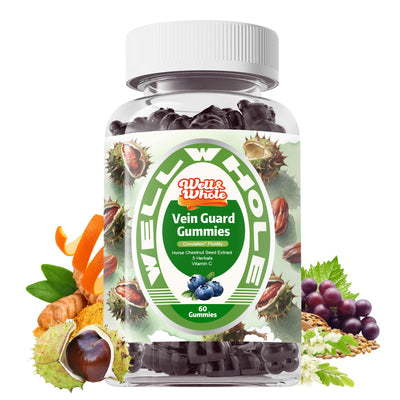
Putting it simply: if this is something you want to add to your routine, our Well&Whole Horse Chestnut Extract Gummies, Circulation Supplements for Legs and Cayenne Pepper Heart Health Gummies with Hawthorn & CoQ10 & Turmeric are a good place to start. The wider Heart Health collection is worth a look, and the CoQ10 range covers related formats.
These statements have not been evaluated by the Food and Drug Administration. This product is not intended to diagnose, treat, cure, or prevent any disease.