Importance of non essential amino acids

Understanding Why Non Essential Amino Acids Matter More Than You Think
When people hear the term "non essential amino acids," many assume these compounds are unimportant. That misconception can lead to nutritional gaps, especially among those focused solely on essential amino acids from protein shakes or high-protein diets. The truth is, non essential amino acids play critical roles in nearly every physiological process, from immune defense to neurotransmitter synthesis. While the body can produce them internally, that doesn't mean optimal levels are always maintained. In fact, during times of stress, illness, or intense training, the demand for specific non essential amino acids can outpace the body’s production capacity. For a wellness brand like well&whole, understanding this distinction is key to formulating supplements that truly support the whole body.
What "Non Essential" Really Means – And Why It’s Misleading
The term "non essential" refers to the fact that the human body can synthesize these amino acids internally – not that they are unnecessary. There are 11 non essential amino acids, including alanine, arginine, asparagine, aspartic acid, cysteine, glutamic acid, glutamine, glycine, proline, serine, and tyrosine. Each one serves unique functions. For example, arginine is a precursor to nitric oxide, which supports blood vessel health, while glutamine fuels immune cells and intestinal lining cells. The misconception that you don’t need to worry about them stems from a narrow focus on dietary essentiality, but optimal health often requires more than baseline synthesis.
Summary: Non essential amino acids are vital for health; the "non essential" label only indicates the body can make them, not that they are dispensable.
Key Non Essential Amino Acids and Their Specific Benefits
Glutamine is perhaps the most researched non essential amino acid. It is the most abundant free amino acid in the blood and muscle tissue. During periods of physical stress – such as endurance exercise, surgery, or infection – glutamine levels can drop significantly. A 2019 study published in the Journal of Clinical Medicine found that glutamine supplementation reduced the incidence of infections in critically ill patients by supporting immune cell function. Similarly, glycine plays a role in sleep quality, collagen formation, and detoxification pathways. Researchers from the University of California, San Francisco reported in a 2021 trial that 3 grams of glycine before bedtime improved subjective sleep quality and reduced daytime fatigue.
Proline and hydroxyproline are essential building blocks for collagen, the structural protein in skin, bones, and tendons. Without adequate proline, the body cannot repair connective tissue efficiently. Tyrosine is a precursor for the neurotransmitters dopamine, norepinephrine, and epinephrine, which regulate mood, focus, and the stress response. Even cysteine, often grouped with sulfur-containing amino acids, supports glutathione production – the body’s master antioxidant.
Summary: Each non essential amino acid has specialized roles that directly impact immunity, recovery, sleep, mood, and structural health.
Long-tail keyword: “role of glutamine in immune function”
When Your Body’s Production May Not Be Enough
Although the body can manufacture non essential amino acids, certain conditions increase demand beyond baseline synthesis rates. For instance, athletes undergoing heavy training have been shown to have lower plasma glutamine levels, which correlates with increased risk of upper respiratory tract infections. A study in Sports Medicine (2018) highlighted that glutamine supplementation post-exercise helped maintain immune cell counts. Similarly, individuals with chronic digestive issues such as leaky gut often benefit from extra glutamine, as it serves as the primary fuel for enterocytes (intestinal lining cells). Even the aging population experiences diminished synthesis efficiency for amino acids like glycine and proline, which can accelerate skin thinning and joint issues. For a supplement company like well&whole, acknowledging these gaps allows for targeted formulations that bridge the difference between basic survival and vibrant health.
Summary: Stress, intense exercise, aging, and gut problems can deplete non essential amino acids, making supplementation beneficial.
Long-tail keyword: “glycine benefits for sleep and recovery”
How to Optimize Intake of Non Essential Amino Acids – Diet and Supplements
A well-balanced diet rich in whole foods provides most non essential amino acids naturally. Animal proteins like chicken, fish, eggs, and dairy are complete sources, while plant-based eaters can obtain them from beans, lentils, nuts, seeds, and soy. However, modern diets high in processed foods may lack sufficient glycine, proline, and glutamine. Bone broth, for instance, is a concentrated source of glycine and proline. For those who need an extra boost – whether due to athletic goals, recovery from illness, or age-related decline – targeted supplements offer a convenient, reliable solution.
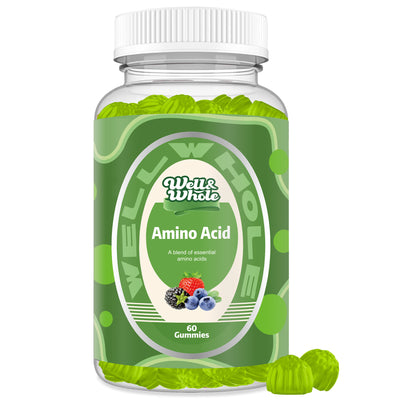
well&whole formulates its amino acid products with attention to both essential and non essential profiles, ensuring that customers receive comprehensive support. For example, a blend containing glutamine, glycine, and taurine (a conditionally essential amino acid) can enhance recovery, sleep, and cardiovascular function simultaneously. When choosing a supplement, look for products that list specific non essential amino acids and their dosages, as well as third-party testing for purity.
Summary: While food is the foundation, strategic supplementation with quality brands like well&whole can fill nutritional gaps and support specific health goals.
Long-tail keyword: “well and whole amino acid supplements”
Frequently Asked Questions
Q1: If non essential amino acids are produced by the body, why would I ever need to supplement them?
A: Under normal circumstances, your body makes enough. But during physical stress, illness, aging, or intense training, production often falls short. Supplementation can help maintain immune function, muscle recovery, sleep quality, and gut integrity when demand exceeds supply.
Q2: Can I get all non essential amino acids from food alone?
A: Yes, a varied diet with quality protein sources – including meat, fish, eggs, dairy, legumes, and nuts – provides adequate amounts for most people. However, individuals with restrictive diets, chronic conditions, or high-performance goals may benefit from targeted supplements like those offered by well&whole.
Q3: How do I know if I am deficient in a specific non essential amino acid?
A: Symptoms vary by amino acid. For example, low glycine may cause poor sleep or joint discomfort; low glutamine might show as frequent infections or digestive issues. Blood tests can measure levels, but common indicators include poor recovery after exercise, fatigue, or skin/joint problems. A healthcare provider can help assess your individual needs.
These statements have not been evaluated by the Food and Drug Administration. This product is not intended to diagnose, treat, cure, or prevent any disease.