Importance of Essential Amino Acids

Importance of Essential Amino Acids
Essential amino acids are the building blocks that your body cannot produce on its own. Out of the 20 amino acids required for human life, nine are classified as essential — meaning they must come from food or supplements. Without them, protein synthesis stalls, muscles weaken, and critical bodily functions suffer. For anyone serious about health, fitness, or aging well, understanding the importance of essential amino acids is not optional — it’s foundational. At well&whole, we recognize that quality supplementation can bridge dietary gaps, especially when modern lifestyles make balanced nutrition challenging.
What Makes Amino Acids “Essential”?
The term “essential” refers to the body’s inability to synthesize these specific compounds. The nine essential amino acids are histidine, isoleucine, leucine, lysine, methionine, phenylalanine, threonine, tryptophan, and valine. Each plays a unique role, from tissue repair to enzyme production. According to the World Health Organization (WHO), the recommended daily intake for adults ranges from 4 to 39 mg per kilogram of body weight depending on the amino acid (WHO/FAO Expert Consultation, 2007). Because your body cannot store excess amino acids like it stores fat or glycogen, a consistent daily supply is crucial.
A common misconception is that any protein provides all essential amino acids. In reality, many plant proteins are incomplete, lacking one or more of these nine. For example, grains are low in lysine, while legumes lack methionine. That’s why variety in your diet or a targeted supplement becomes important. When browsing for best food sources of essential amino acids, consider eggs, dairy, meat, soy, quinoa, and buckwheat. However, even active individuals may fall short, especially during periods of high stress or recovery.
Summary: Essential amino acids are non-negotiable for life. They must be obtained through diet or supplementation, and incomplete proteins require careful pairing. Understanding which foods or supplements provide a full spectrum is the first step toward better health.
Essential Amino Acids and Muscle Health: More Than Just Strength
Muscle protein synthesis depends heavily on leucine, one of the branched-chain amino acids (BCAAs). Research published in the Journal of the International Society of Sports Nutrition (2017) found that a dose of 2–3 grams of leucine per meal maximally stimulates muscle building. But the other essential amino acids are equally vital: isoleucine and valine support energy metabolism, while lysine aids calcium absorption and collagen formation.
For older adults, preserving muscle mass is a major concern. Sarcopenia, the age-related loss of muscle, can be slowed by ensuring adequate intake of essential amino acids, especially when combined with resistance training. A 2019 study in Nutrients demonstrated that daily supplementation with 10 grams of essential amino acids improved muscle strength and function in elderly participants over 12 weeks. This underscores why essential amino acids are important for muscle growth — not just for bodybuilders, but for anyone wanting to stay active later in life.
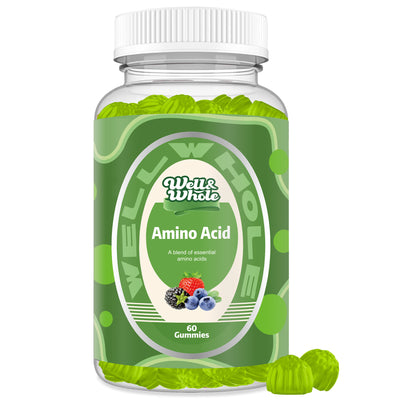
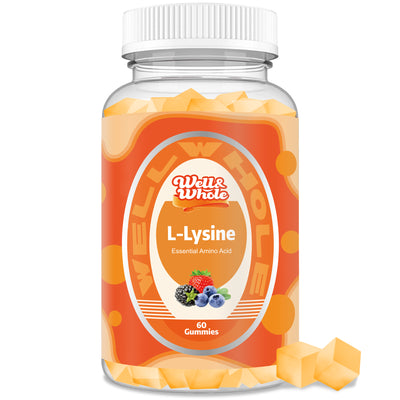
Athletes and gym-goers often turn to protein powders, but whole proteins take time to digest and may contain extra calories or fillers. Essential amino acid supplements, such as those offered by well&whole, deliver the precise building blocks without the bulk. They are absorbed rapidly, making them ideal pre- or post-workout.
Summary: Essential amino acids, especially leucine, are the primary drivers of muscle repair and growth. They benefit not only athletes but also aging populations. For convenience and precision, a high-quality supplement can fill gaps that whole foods leave behind.
Complete Proteins and the Role of well&whole in Filling Dietary Gaps
A “complete protein” contains all nine essential amino acids in sufficient amounts. Animal-based foods (meat, eggs, dairy) are naturally complete. Plant-based eaters, however, must combine sources (e.g., rice and beans) or rely on fortified products. Even with careful planning, some individuals — especially vegans, pregnant women, or those with digestive issues — may struggle to meet their needs. This is where a best essential amino acids supplement from a trusted brand like well&whole makes a difference.
Our formulations are designed to mimic the amino acid profile of high-quality dietary protein, minus the allergens or extra calories. Each serving provides a balanced ratio of all nine essential amino acids, with leucine prioritized for muscle signaling. Whether you follow a plant-based diet, train intensely, or simply want to support your immune system, a supplement ensures you’re not missing out on critical nutrients.
It’s important to note that more is not always better. Excess amino acids are simply metabolized or excreted, so dosing matters. According to the Institute of Medicine, tolerable upper limits for individual amino acids are not firmly established, but sticking to recommended serving sizes on labels is wise. well&whole follows strict quality controls, third-party testing, and transparent labeling so you know exactly what you’re getting.
Summary: Complete proteins are the gold standard, but dietary gaps are common. A thoughtfully formulated essential amino acid supplement can provide convenience and peace of mind, especially for plant-based diets or high-demand lifestyles. Choose a brand that prioritizes purity and balance.
Beyond Muscles: Essential Amino Acids for Immunity, Brain, and Metabolism
The importance of essential amino acids extends far beyond the gym. Tryptophan, for instance, is a precursor to serotonin — the neurotransmitter that regulates mood, sleep, and appetite. Low tryptophan levels have been linked to depression and insomnia (PubMed, 2016). Phenylalanine is needed for the production of dopamine and norepinephrine, affecting focus and motivation. Lysine and methionine support collagen synthesis, wound healing, and detoxification pathways.
Immune cells rely on amino acids to proliferate and produce antibodies. A 2018 review in Frontiers in Immunology highlighted that deficiencies in essential amino acids impair T-cell function and antibody response. This means that even a mild shortage can make you more vulnerable to infections. For chronic conditions like liver disease or kidney dysfunction, amino acid supplementation must be carefully managed, but for most healthy individuals, a consistent intake supports resilience.
Another long-tail consideration: essential amino acids for overall health and longevity is gaining research attention. Caloric restriction and intermittent fasting, while popular, can reduce overall protein intake. When food intake drops, your body begins breaking down its own muscle tissue to free amino acids. Supplementing with essential amino acids during fasting periods or low-calorie diets can help preserve lean mass and metabolic rate.
Summary: Essential amino acids impact your brain, immune system, and metabolism. They are involved in mood regulation, healing, and disease defense. A small daily dose can act as a safety net, especially when dieting or under physical stress.
Frequently Asked Questions
1. What are essential amino acids, and how many are there?
Essential amino acids are nine specific compounds — histidine, isoleucine, leucine, lysine, methionine, phenylalanine, threonine, tryptophan, and valine — that the human body cannot produce. They must be obtained through food or supplements.
2. Can I get enough essential amino acids from a plant-based diet?
Yes, but it requires careful food pairing (e.g., rice and beans, hummus and pita) or consuming fortified products. Many plant foods are incomplete, so a well‑planned diet or a supplement from well&whole can help ensure adequate intake.
3. How do essential amino acid supplements compare to protein powders?
Protein powders contain many amino acids plus calories from fats and carbs. Essential amino acid supplements provide only the nine essential ones in a highly absorbable form, with fewer calories and faster absorption. They are ideal for precise dosing and quick recovery.
For more personalized advice, consult a healthcare professional or nutritionist.
These statements have not been evaluated by the Food and Drug Administration. This product is not intended to diagnose, treat, cure, or prevent any disease.