If the Diet Is Lacking an Essential Amino Acid

If the Diet Is Lacking an Essential Amino Acid
Your body is a finely tuned machine, but it can’t produce nine of the building blocks it needs. Those are the essential amino acids, and when you don’t get them from food, the consequences go far beyond a simple protein gap. A deficiency in even one essential amino acid can trigger a cascade of metabolic disruptions, muscle wasting, and immune weakness. Understanding these risks—and knowing how to address them—is critical for anyone serious about long‑term health.
What Are Essential Amino Acids and Why Do They Matter?
Amino acids are the molecular units that link together to form proteins. Of the 20 standard amino acids, nine are considered essential: histidine, isoleucine, leucine, lysine, methionine, phenylalanine, threonine, tryptophan, and valine. “Essential” means your body cannot synthesize them on its own, so they must come from your diet. Each one plays a distinct role—leucine, for example, directly activates muscle protein synthesis, while tryptophan is a precursor to serotonin and melatonin.
When the diet is lacking an essential amino acid, the body cannot make complete proteins. This forces it to break down existing muscle tissue to retrieve the missing amino acid, a process that accelerates muscle loss and impairs recovery. Research published in the Journal of Nutrition found that even a short‑term deficiency of a single essential amino acid can reduce protein synthesis by up to 30% (source: J Nutr. 2016;146(2):258–263). For anyone focused on fitness, aging well, or maintaining lean mass, this is a red flag.
In summary: Essential amino acids are non‑negotiable; a deficit in any one of them compromises your body’s ability to repair, build, and function optimally.
Common Symptoms and Health Risks of Deficiency
The effects of an essential amino acid deficiency are often subtle at first, but they compound over time. One of the earliest signs is muscle weakness and fatigue. Without enough leucine, your muscles won’t receive the signal to rebuild after exercise, leading to prolonged soreness and slower gains. A study in Amino Acids (2018;50(12):1685–1695) linked low dietary leucine to sarcopenia in older adults, emphasizing that this isn’t just a problem for athletes.
Beyond muscle, immune function takes a hit. Amino acids like glutamine (conditionally essential) and threonine are critical for antibody production and gut barrier integrity. When the diet is lacking an essential amino acid, your immune cells struggle to proliferate, making you more susceptible to infections. Mood disturbances, poor sleep, and brain fog also emerge, especially when tryptophan levels drop—since it’s the precursor to serotonin, a deficiency can mimic depressive symptoms.
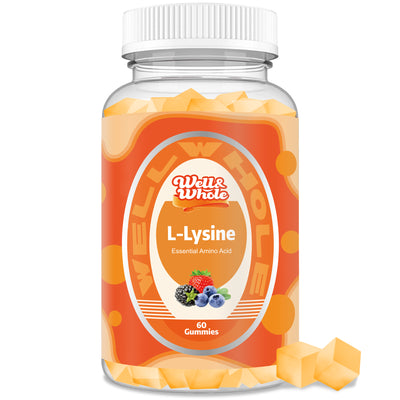
Another overlooked consequence is slow wound healing and skin issues. Collagen synthesis depends on proline, glycine, and lysine; without enough lysine, connective tissue repair stalls. For vegans and vegetarians, who may rely on incomplete plant proteins, this is a common hidden risk. The keyword essential amino acid deficiency symptoms often points to these overlapping issues.
In summary: Muscle loss, immune weakness, mood changes, and impaired tissue repair are direct outcomes of missing even a single essential amino acid.
Who Is Most at Risk?
While anyone can slip into a deficiency, certain groups need to be more vigilant. Vegans and vegetarians face a unique challenge because most plant proteins are incomplete—they lack one or more essential amino acids. For example, grains are low in lysine, while legumes lack methionine. A diet of only rice and beans (a classic combo) provides a full profile, but many plant‑forward eaters don’t vary their sources enough. The silver lining is that careful pairing works, but modern convenience foods often skip that planning.
Older adults also have a higher threshold. Age‑related anabolic resistance means their muscles need more leucine per meal to trigger protein synthesis. A study in Clinical Nutrition (2019;38(5):2119–2126) showed that seniors consuming less than 0.4 g leucine per meal experienced faster functional decline. For athletes and highly active individuals, increased turnover means demand outpaces typical intake, especially during cutting phases. The phrase complete protein sources for vegans is a common search that leads many to realize they need a targeted solution.
In some cases, disease states (cancer, burns, GI disorders) elevate amino acid requirements, making an existing marginal deficiency dangerous. Critically ill patients often require parenteral support to prevent muscle wasting. Even for the healthy, a busy lifestyle that relies on processed snacks can silently create gaps.
In summary: Vegans, older adults, athletes, and individuals with increased metabolic demands are most susceptible; awareness is the first step to correction.
How to Ensure Adequate Intake—And When Supplementation Makes Sense
The ideal approach is to eat a varied diet rich in complete proteins: animal products like eggs, dairy, meat, fish, and soy. Quinoa, buckwheat, and hemp seeds are plant‑based exceptions that contain all nine essential amino acids. For those who don’t consume animal foods, combining complementary proteins (e.g., rice + beans, hummus + whole wheat pita) works but requires consistency.
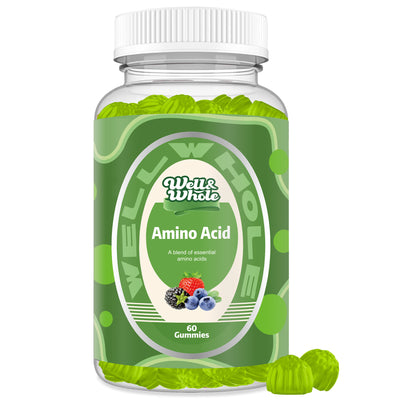
However, life isn’t always that precise. This is where high‑quality supplementation enters the picture. A carefully formulated essential amino acid supplement delivers all nine amino acids in the right ratios, bypassing the need to track every meal. Our brand, well&whole, offers a complete EAA blend designed to fill gaps without unnecessary additives. Each serving provides a precise leucine kick (2.5 g) to maximize muscle protein synthesis, along with lysine for collagen support and tryptophan for mood balance. For those searching amino acid supplementation for muscle health, well&whole provides a clean, third‑party tested option that dissolves easily in water—no artificial flavors or fillers.
Dosage matters. The World Health Organization recommends about 0.8 g of protein per kg of body weight, but that’s a minimum. For active individuals, 1.2–2.0 g/kg is more appropriate, and within that, about 25–35% should come from leucine‑rich sources. If you’re unsure whether your diet covers all bases, a simple blood test (plasma amino acid profile) can reveal gaps. Until then, a daily EAA supplement acts as insurance—especially for those long training days or busy weeks when meal prep falls short.
In summary: Prioritize whole‑food sources of complete protein, and if your lifestyle leaves room for doubt (vegan, aging, high activity), a quality EAA supplement like well&whole can bridge the gap safely and effectively.
Frequently Asked Questions
Q1: Can a lack of just one essential amino acid really cause problems?
Yes. Missing a single essential amino acid forces your body to break down existing proteins to obtain it, which leads to muscle catabolism and slowed recovery. Even short‑term deficits can reduce protein synthesis efficiency.
Q2: How do I know if I’m deficient in essential amino acids?
Common signs include persistent fatigue, poor exercise recovery, brittle hair/nails, frequent illness, and mood swings. A blood test (plasma amino acid panel) is the only definitive way to confirm. If you’re vegan or over 60, consider checking annually.
Q3: Are amino acid supplements safe and do they really work?
High‑quality EAA supplements are safe when taken as directed. They provide a direct, bioavailable source of all nine essential amino acids without the calories or fat of whole foods. Look for products like well&whole that are third‑party tested for purity and contain no artificial additives.
These statements have not been evaluated by the Food and Drug Administration. This product is not intended to diagnose, treat, cure, or prevent any disease.