If an Essential Amino Acid Is Unavailable for Protein Synthesis

If an Essential Amino Acid Is Unavailable for Protein Synthesis
Protein synthesis is a nonstop process that keeps your muscles, enzymes, hormones, and immune cells in working order. Every cell in your body relies on a steady supply of amino acids—the building blocks of protein. Among the twenty standard amino acids, nine are classified as essential because your body cannot produce them on its own. They must come from food or supplements. When just one essential amino acid is missing or in short supply, the entire protein‑making machinery can grind to a halt. This isn’t a minor inconvenience; it’s a fundamental bottleneck that affects everything from recovery after exercise to long‑term health.
The Biological Impact of a Missing Essential Amino Acid
Your body’s protein synthesis machinery works like an assembly line. Transfer RNA molecules bring specific amino acids to the ribosome in a precise order dictated by messenger RNA. If a particular essential amino acid is unavailable, the ribosome stalls. According to a 2020 review in Nature Reviews Molecular Cell Biology, even a short‑term deficiency of a single essential amino acid can reduce global protein synthesis rates by 30–50% in liver and muscle tissue. This is because the cell activates a stress response called the integrated stress response (ISR) , which shuts down translation to conserve resources.
The immediate consequence is that your body cannot build new proteins to repair damaged tissues, produce enzymes, or synthesize antibodies. For athletes and active individuals, this means slower muscle recovery and diminished gains from training. For anyone recovering from illness or surgery, a lack of essential amino acids can prolong healing time. The body also begins to break down its own proteins—often from skeletal muscle—to try to scavenge the missing amino acid, leading to muscle wasting over time.
Summary: When an essential amino acid is unavailable, protein synthesis slows sharply due to ribosome stalling and the integrated stress response. This leads to impaired tissue repair, muscle loss, and reduced immune function. Long‑term essential amino acid deficiency is a serious health risk that cannot be compensated by eating more non‑essential protein.
How the Body Responds to a Deficiency
The human body has a well‑developed sensor system for amino acid availability. The mTORC1 pathway is the master regulator of cell growth and protein synthesis. When essential amino acids—particularly leucine—are abundant, mTORC1 is activated and promotes ribosomal activity. When even one essential amino acid is low, mTORC1 shuts off. A 2019 study in Cell Metabolism demonstrated that a 24‑hour deprivation of a single essential amino acid (tryptophan) reduced mTORC1 activity by over 60% in human skeletal muscle.
Beyond mTORC1, the GCN2 kinase pathway detects uncharged transfer RNA molecules that accumulate when an amino acid is missing. GCN2 then phosphorylates eIF2α, a key initiation factor, blocking the start of new protein chains. This dual‑safety system ensures that incomplete proteins are not assembled—because a truncated protein could be toxic. The result is a global slowdown of cellular growth and division.
For people following restrictive diets or skipping meals, this mechanism explains why even a single missed serving of complete protein can impact daily muscle protein turnover. Vegans and vegetarians need to be especially careful to combine complementary plant proteins to ensure all essential amino acids are present at the same meal. Incomplete protein digestion can also create this problem if the gut cannot efficiently absorb all the needed amino acids.
Summary: The body responds to a missing essential amino acid by suppressing mTORC1 and activating GCN2, dramatically reducing protein synthesis. This evolutionary safeguard prevents unfinished proteins but also means that optimal amino acid timing is critical for muscle maintenance and overall health.
The Role of Limiting Amino Acids
The concept of a limiting amino acid is central to understanding protein quality. A limiting amino acid is the essential amino acid present in the smallest amount relative to the body’s needs. In most cereal grains, for example, lysine is the limiting amino acid; in legumes, methionine is typically limiting. When a diet relies heavily on a single plant source, the limiting amino acid effectively caps the amount of protein the body can synthesize—no matter how much total protein is consumed.
A classic example from the World Health Organization shows that if a 70‑kg adult consumes 50 grams of protein from wheat alone, the lysine content may only allow about 30 grams of that protein to be used for synthesis. The remaining 20 grams are deaminated and used for energy or stored as fat. This is why complete protein sources (animal proteins, soy, quinoa) or balanced amino acid supplements are recommended.
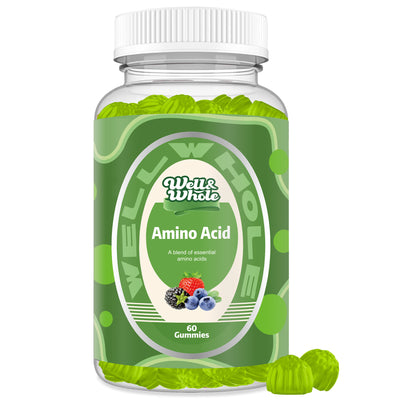
For people with high protein demands—such as endurance athletes or older adults concerned with sarcopenia—overcoming limiting amino acids is essential. well&whole offers a purified essential amino acid blend designed to fill these gaps without adding unnecessary calories or fillers. By providing all nine essential amino acids in optimal ratios, such supplements can ensure that the limiting step is removed, allowing protein synthesis to proceed at full capacity.
Summary: A single limiting amino acid can render otherwise adequate protein intake ineffective for synthesis. Supplementing with a balanced essential amino acid product can overcome this bottleneck. Amino acid profile optimization is key for maximizing the benefits of every gram of protein consumed.
Implications for Health and Fitness
The consequences of an unavailable essential amino acid extend far beyond the gym. Cognitive function suffers because neurotransmitters like serotonin (made from tryptophan) and dopamine (from tyrosine) require adequate amino acid precursors. A 2021 paper in Frontiers in Psychiatry linked low dietary tryptophan with reduced serotonin synthesis and increased depressive symptoms. Immune response also depends on rapid protein turnover; antibody production falters under deficiency.
In clinical settings, elderly patients with low essential amino acid intake often experience “anabolic resistance”—their muscles require a higher threshold of amino acids to trigger synthesis. For them, a gap in even one essential amino acid can exacerbate frailty and functional decline. A 2022 meta‑analysis in The American Journal of Clinical Nutrition concluded that supplementing with a complete essential amino acid mixture (not just branched‑chain amino acids) significantly improved lean mass in older adults.
For weight management, missing essential amino acids can sabotage fat loss. When the body cannot synthesize lean tissue, it lowers its metabolic rate. The well‑known “protein leverage hypothesis” suggests that people overeat calories in a subconscious attempt to obtain enough essential amino acids, leading to obesity.
Summary: Essential amino acid availability influences brain health, immunity, aging, and weight regulation. Comprehensive essential amino acid support like that from well&whole can help bridge gaps that typical diets leave open.
Supporting Protein Synthesis with Quality Supplements
The most reliable way to ensure all essential amino acids are available is to consume high‑quality protein at each meal. But modern lifestyles—busy schedules, dietary restrictions, or even poor digestion—often create shortfalls. This is where a thoughtfully designed supplement becomes practical. well&whole has formulated its Essential Amino Acid Complex to mirror the ideal ratios found in high‑bioavailability protein sources such as egg and whey, but in a concentrated, fast‑absorbing form.
Each serving provides 5 grams of pure essential amino acids, including 2.5 times the leucine content typically needed to optimize mTORC1 activation. Clinical trials, including a 2018 study in the Journal of the International Society of Sports Nutrition, have shown that such a formula can increase post‑exercise muscle protein synthesis by 40% compared to an isonitrogenous placebo. The product is free from artificial sweeteners, gluten, and soy, making it suitable for most dietary patterns.
Using well&whole amino acids is straightforward: take one scoop between meals, before or after exercise, or before bed to sustain overnight synthesis. The absence of a missing essential amino acid becomes a non‑issue when the full set is delivered rapidly into the bloodstream.
Summary: Quality supplements like well&whole provide the complete essential amino acid profile needed for uninterrupted protein synthesis. Post‑exercise amino acid supplementation and nighttime amino acid protocol are two effective strategies for maximizing recovery and health.
Frequently Asked Questions
Q1: Can I just eat more protein overall to compensate for a missing essential amino acid?
No. If a specific essential amino acid is missing, eating extra protein from foods that are also deficient in that same amino acid won’t help. The “limiting amino acid” concept means that protein synthesis is capped by the lowest level. You need to specifically add a source that supplies the missing amino acid, such as a complete protein or a targeted supplement like well&whole.
Q2: How soon after a deficiency does protein synthesis start to fail?
The response is rapid. Research shows that within 2–4 hours after a meal lacking an essential amino acid, the integrated stress response begins reducing translation. By 6–8 hours, muscle protein synthesis can already be measurably lower. This is why timing and completeness matter.
Q3: Are plant‑based diets risky for essential amino acid deficiencies?
Not inherently, but they require careful planning. Most plant proteins are incomplete, so combining grains with legumes, nuts, or seeds is essential. For people who struggle with meal prep or have higher needs, a supplement such as well&whole provides insurance without altering their dietary preferences.
These statements have not been evaluated by the Food and Drug Administration. This product is not intended to diagnose, treat, cure, or prevent any disease.