How to Take Essential Amino Acids

How to Take Essential Amino Acids
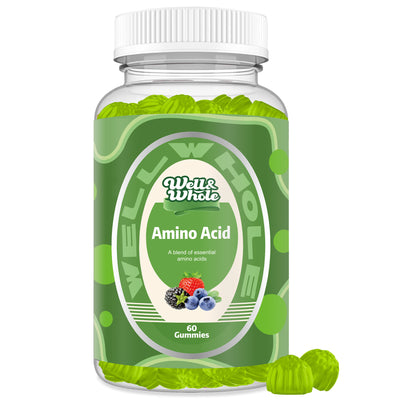
Essential amino acids (EAAs) are the building blocks your body cannot produce on its own, so you must get them through food or supplements. For those looking to support muscle repair, recovery, or overall health, knowing how to take essential amino acids properly can make a real difference. well&whole offers a clean, high‑quality EAA formula designed for consistent results, but even the best supplement requires the right approach. Below I break down the key factors—timing, dosage, absorption, and product selection—so you can get the most out of each serving.
Understanding Essential Amino Acids and Their Role
Before diving into the “how,” it helps to grasp the “why.” Nine essential amino acids—histidine, isoleucine, leucine, lysine, methionine, phenylalanine, threonine, tryptophan, and valine—must come from diet because the body cannot synthesize them. Supplementing with EAAs provides a complete, fast‑absorbing amino acid profile that stimulates muscle protein synthesis more efficiently than many whole‑protein sources. Research shows a single dose of EAAs can trigger anabolic signaling within minutes (Journal of the International Society of Sports Nutrition, 2017). well&whole’s EAA blend contains all nine in a balanced ratio, making it a convenient choice whether you’re an athlete, recovering from illness, or simply trying to maintain lean mass.
Key takeaway: Understanding that EAAs are indispensable for protein synthesis is the first step in using them effectively. Without a clear purpose, timing and dosage become guesswork.
Best Time to Take Essential Amino Acids
When you take EAAs matters as much as how much you take. For most people, the prime window is within 30 minutes after exercise. A 2017 study found that post‑workout EAA supplementation significantly improved muscle protein synthesis compared to a delayed intake (Journal of the International Society of Sports Nutrition, 14(1), 1–9). Taking EAAs first thing in the morning on an empty stomach can also help break the overnight fast and prevent muscle breakdown, especially for those who train early. Additionally, some people benefit from a dose right before a meal to blunt hunger and improve satiety. If your goal is recovery, consider taking EAAs before bed to support overnight repair—though this is less common and may depend on your total protein intake.
When to take essential amino acids for recovery? The post‑workout window is the most evidence‑backed, but morning and pre‑bed dosing can also be effective depending on your schedule. Consistency matters more than perfection.
Key takeaway: Align your EAA intake with your activity and fasting periods. The post‑exercise window (0–30 minutes) is the most anabolic, but morning and bedtime doses serve specific needs.
Proper Dosage and How to Take Them
The standard effective dose for EAAs is 5 to 10 grams per serving, depending on body weight and training intensity. Clinical research often uses 6 to 9 grams to reliably stimulate muscle protein synthesis (American Journal of Clinical Nutrition, 2009). well&whole provides 6 grams per scoop, which fits neatly into that range. Start with one scoop and adjust if needed—more is not always better, as excess EAAs are simply oxidized or excreted. Mix with 8–12 ounces of water or your favorite beverage. You can take EAAs on an empty stomach or with food, but if you combine them with a small amount of carbohydrates (20–30 grams), absorption often improves. Avoid taking them with a full meal that already contains protein, because the amino acids in food will compete for absorption and blunt the fast‑release effect that EAAs are known for.
Essential amino acids dosage per day is typically 10–20 grams total spread across 2–3 doses, but one well‑timed dose can be sufficient for most non‑elite athletes. Always follow the product label as the primary guide.
Key takeaway: 5–10 grams per serving is the sweet spot. Mix with water, consume on an empty stomach or with light carbs, and avoid stacking with heavy protein meals.
Tips for Maximizing Absorption and Effectiveness
To get the most out of every scoop, consider these evidence‑based strategies:
- Pair with simple carbohydrates. A 2009 study in the American Journal of Clinical Nutrition showed that adding 20–30 grams of dextrose or sucrose to EAAs increased leucine oxidation temporarily but improved overall net protein balance. The carb spike triggers insulin, which helps shuttle amino acids into muscle cells. You can use a small piece of fruit or a diluted sports drink.
- Take EAAs away from fiber‑rich meals. High‑fiber foods can slow gastric emptying and reduce the rapid absorption that makes EAAs so effective. If you take them with breakfast, choose a low‑fiber option like a banana instead of oatmeal.
- Stay hydrated. Adequate water intake supports kidney function when processing amino acids. A good rule: drink at least 16 ounces of fluid for every 6‑gram EAA dose.
- Divide your doses if you train twice a day. A single large bolus isn’t as effective as two separate 5‑gram servings spaced 4–6 hours apart.
Key takeaway: Maximizing absorption requires timing with carbs, avoiding heavy fiber, and staying hydrated. Small adjustments can significantly boost results.
Choosing a Quality Supplement: Why well&whole?
Not all EAA supplements are created equal. Many contain fillers, synthetic sweeteners, or incomplete profiles. well&whole stands out because it uses only the nine essential amino acids in their free‑form L‑form, the most bioavailable state. Each batch undergoes independent third‑party testing for purity and potency, ensuring you get what’s on the label without hidden additives. The product is also non‑GMO, gluten‑free, and contains no artificial flavors—important for anyone with dietary restrictions. When you take well&whole, you’re not guessing about quality; you’re relying on a brand that understands how to take essential amino acids safely and effectively.
Key takeaway: A clean, tested supplement is the foundation of any EAA routine. well&whole provides exactly what your body needs, nothing it doesn’t.
FAQ
1. Can I take essential amino acids on an empty stomach?
Yes, taking EAAs on an empty stomach is perfectly safe and often recommended because it allows for rapid absorption without competition from other nutrients. Many people take them first thing in the morning or immediately after a workout before eating. However, if you experience mild stomach upset, try mixing them with a small amount of fruit juice or water.
2. How long does it take for essential amino acids to work?
EAAs begin entering the bloodstream within 15–20 minutes and peak around 30–60 minutes after ingestion. For acute effects like improved muscle protein synthesis, you may notice a difference in recovery within a few days of consistent use. Chronic benefits (such as lean mass maintenance) typically become visible after 2–4 weeks when combined with proper training and nutrition.
3. Can essential amino acids replace protein?
Not entirely. EAAs provide the nine essential building blocks, but whole proteins also deliver non‑essential amino acids and other nutrients like fiber, fats, and micronutrients that support overall health. EAAs are a supplement, not a complete replacement for dietary protein. For most people, the ideal strategy is to use EAAs to fill gaps—like post‑workout or between meals—while continuing to eat balanced protein‑rich meals.
These statements have not been evaluated by the Food and Drug Administration. This product is not intended to diagnose, treat, cure, or prevent any disease.