How to Support Your Liver Naturally: Lifestyle and Supplement Strategies for Optimal Liver Health
Your liver works tirelessly to keep you healthy. Learn practical, evidence-based lifestyle and supplement strategies to support your liver's natural detoxification and metabolic functions.

Your liver performs over 500 critical functions — filtering your blood, producing bile for fat digestion, regulating blood sugar, storing vitamins and minerals, metabolizing medications, and breaking down toxins for elimination. Despite its remarkable resilience and regenerative capacity, the liver is not invulnerable. The modern American lifestyle — characterized by processed foods, alcohol consumption, sedentary habits, and environmental toxin exposure — places consistent demands on this vital organ.
The rise of non-alcoholic fatty liver disease (NAFLD), now affecting an estimated 25–30% of American adults according to the American Liver Foundation, underscores the toll that metabolic stress takes on hepatic health. Fortunately, the liver responds remarkably well to supportive interventions. This guide provides practical, evidence-based strategies for supporting your liver through diet, lifestyle, and targeted supplementation.
Understanding What Stresses the Liver
Before discussing support strategies, it is useful to understand the key drivers of liver stress:
Dietary Strategies for Liver Health
1. The Mediterranean Diet Pattern
The most evidence-supported dietary pattern for liver health is the Mediterranean diet. A 2018 randomized controlled trial published in *Hepatology* found that a Mediterranean diet (without caloric restriction) reduced liver fat by approximately 30% in patients with NAFLD, independent of weight loss.
Key components:
· Extra virgin olive oil as the primary fat source
· Abundant vegetables (especially leafy greens and cruciferous vegetables)
· Moderate fatty fish consumption (salmon, sardines, mackerel, 2–3 times weekly)
· Legumes, nuts, and seeds daily
· Limited red meat (1–2 times weekly)
· Minimal processed foods and added sugars
2. Cruciferous Vegetables: The Liver's Ally
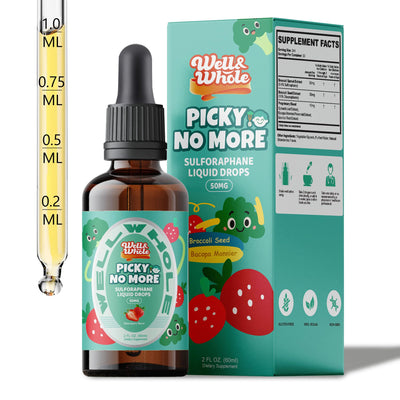
Broccoli, Brussels sprouts, kale, cauliflower, and cabbage contain glucosinolates that convert to sulforaphane — a compound that activates the Nrf2 pathway, your body's master antioxidant response system. Sulforaphane supports balanced Phase I and Phase II liver detoxification enzyme activity.
A 2019 study in *Cell Metabolism* demonstrated that sulforaphane reduced liver fat accumulation by modulating lipid metabolism genes, independent of effects on body weight.
Practical Tip: Aim for at least one serving of cruciferous vegetables daily. Broccoli sprouts are an exceptionally concentrated source of glucoraphanin (the sulforaphane precursor), containing 20–50 times the glucoraphanin content of mature broccoli.
3. Coffee: An Unexpected Ally
Coffee consumption is consistently associated with reduced risk of liver fibrosis, cirrhosis, and liver cancer in epidemiological studies. A 2017 systematic review in the *BMJ* found that drinking 2–3 cups of coffee daily was associated with a 38% reduction in liver cancer risk and a 46% reduction in mortality from chronic liver disease.
Mechanisms: Chlorogenic acids and other coffee polyphenols reduce oxidative stress and inflammation in liver tissue. The effect is observed with both caffeinated and decaffeinated coffee, suggesting polyphenols, not caffeine, are responsible.
4. Foods to Reduce or Eliminate
5. Protein Adequacy
Contrary to some liver detox narratives that restrict protein, adequate protein intake is essential for liver function. Phase II detoxification requires amino acids for conjugation reactions — specifically glycine, taurine, glutamine, and cysteine. A daily intake of 0.8–1.2 grams of protein per kilogram of body weight supports these pathways.
Lifestyle Strategies That Make a Difference
Exercise: The Proven Liver Intervention
Physical activity is one of the few interventions shown to directly reduce liver fat, independent of dietary changes or weight loss:
· A 2016 meta-analysis in the *Journal of Hepatology* found that exercise alone (without dietary modification) reduced liver fat by approximately 20–30%, even in the absence of significant weight loss.
· Both aerobic exercise (brisk walking, cycling, swimming) and resistance training benefit liver health through improved insulin sensitivity and reduced visceral fat.
· The combination of resistance training and aerobic exercise appears to be more effective than either modality alone.
Recommendation: 150 minutes of moderate exercise weekly, including both aerobic and resistance components.
Sleep
The liver's repair and regenerative processes follow a circadian rhythm, with peak metabolic activity during sleep. Chronic sleep deprivation (fewer than 6 hours per night) is associated with increased risk of fatty liver disease in epidemiological studies.
A 2018 study in the *Journal of Clinical Endocrinology & Metabolism* found that just one week of sleep restriction (to 5 hours per night) increased liver enzyme levels and reduced insulin sensitivity in healthy adults.
Stress Management
Chronic stress elevates cortisol, which promotes visceral fat accumulation and contributes to insulin resistance — both significant drivers of fatty liver disease. While stress reduction's direct effects on liver enzymes have not been well-studied, its indirect effects through metabolic health are well-documented.
Evidence-Based Supplements for Liver Support
Milk Thistle (Silymarin)
Milk thistle is the most researched botanical for liver health. While it is not a cure, it provides consistent, modest support across multiple liver conditions.
N-Acetyl Cysteine (NAC)
Glutathione is the liver's primary antioxidant and the key conjugating molecule for Phase II detoxification. By providing cysteine, NAC supports glutathione synthesis:
· FDA-approved for acetaminophen overdose (hospital use)
· At 600–1,200 mg daily, supports general glutathione status and antioxidant defense
· Particularly relevant for individuals with regular alcohol consumption, daily medication use, or environmental toxin exposure
Turmeric (Curcumin)
A 2017 meta-analysis in *Pharmacological Research* found curcumin significantly reduced liver enzymes and liver fat content in NAFLD patients. Key considerations:
· Poor bioavailability of standard curcumin — look for enhanced-absorption formulations (piperine, liposomal, phospholipid complexes)
· Typical dose: 500–1,000 mg of enhanced-absorption curcumin daily
Alpha-Lipoic Acid
· Dual water- and fat-soluble antioxidant — protects liver mitochondria
· Enhances glutathione synthesis
· Improved liver enzyme profiles in multiple clinical trials
· Typical dose: 300–600 mg daily
Dandelion Root
A traditional liver tonic with modern evidence for bile flow stimulation. Dandelion root extracts increase bile production and flow (choleretic and cholagogue effects), supporting the elimination of processed toxins through the bile. Used as a tea, tincture, or capsule.
A Practical Daily Liver Support Protocol
FAQ
Q1: How quickly can the liver repair itself?
The liver is uniquely capable of regeneration. With removal of the damaging agent (e.g., alcohol, excess sugar), fatty liver can begin reversing within 2–4 weeks. More advanced damage takes longer and may not fully reverse.
Q2: Is milk thistle safe to take daily?
Yes. Milk thistle has an excellent safety record. The most commonly reported side effects are mild gastrointestinal effects (nausea, bloating), which affect a small percentage of users. Allergic reactions are possible in individuals allergic to plants in the Asteraceae family.
Q3: Can I reverse fatty liver without medication?
In most cases of non-alcoholic fatty liver disease, yes. Weight loss of 7–10% of body weight, a Mediterranean-style diet, regular exercise, and elimination of added sugars from the diet are the foundation of NAFLD management and can significantly improve or resolve fatty liver.
Q4: Does apple cider vinegar help the liver?
Limited direct evidence supports apple cider vinegar for liver health specifically. Its primary benefit, if any, would be indirect — through modest improvements in post-meal blood sugar and insulin sensitivity, which benefit metabolic liver health.
Q5: Is it true that the liver processes everything you eat?
Essentially, yes. Everything absorbed through the digestive tract passes through the portal vein directly to the liver before entering general circulation. This "first-pass metabolism" is why oral medications have different effects than intravenous administration — the liver processes a significant fraction of the dose before it reaches systemic circulation.
Q6: Can supplements cure cirrhosis?
No. Cirrhosis is end-stage scarring of the liver. Once cirrhosis develops, the focus shifts from reversal to preventing further progression and managing complications. Supplements may support remaining liver function but cannot reverse established cirrhosis.
Q7: How much water should I drink for liver health?
Aim for half your body weight in ounces of water daily (e.g., 160 lbs → 80 oz water). Adequate hydration supports kidney function — the complementary elimination route — and maintains blood volume, which is important for hepatic blood flow.
Conclusion
Your liver is exceptionally resilient, but it is not a passive filter — it is a metabolically active organ with finite processing capacity that responds to both the insults and the support you provide. The most powerful interventions for liver health are not found in expensive "detox" protocols but in consistent daily choices: a Mediterranean-style diet rich in cruciferous vegetables and healthy fats, regular physical activity, adequate hydration, and mindful alcohol consumption.
Supplements like milk thistle, NAC, and curcumin add another layer of support, particularly for individuals with additional liver stressors from medications, alcohol use, or metabolic conditions. These are not detox shortcuts — they are tools that support the liver's own sophisticated, built-in detoxification machinery.
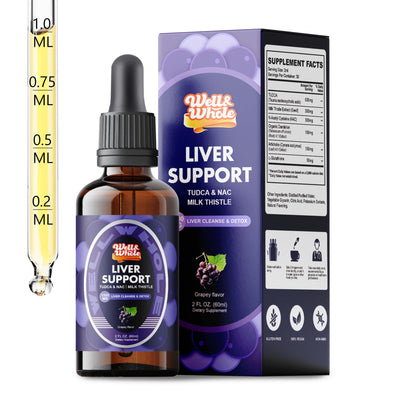
At well&whole, we believe healthy habits should be supported by quality supplements, not replaced by them. Explore our Liver Support Collection for milk thistle, NAC, and other evidence-backed formulations to help your liver do what it does best.
These statements have not been evaluated by the Food and Drug Administration. This product is not intended to diagnose, treat, cure, or prevent any disease.