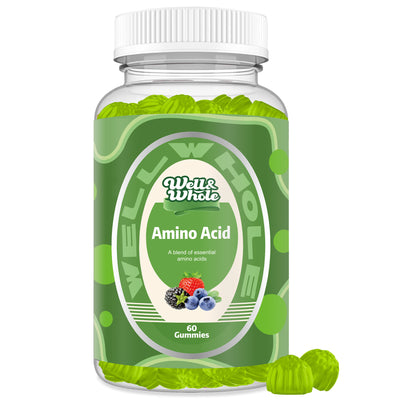
How to Remember Non Essential Amino Acids

How to Remember Non Essential Amino Acids: Simple Mnemonics and Practical Tips
If you’ve ever tried to memorize the list of non essential amino acids, you know it can feel like a random collection of names. But understanding them is not just for biochemistry exams—it matters for anyone interested in nutrition, fitness, or overall health. The good news: there are clever memory tricks that make this task almost effortless. Let’s break it down step by step, so you can recall every one of the 11 non essential amino acids without flipping through a textbook.
Understanding Non Essential Amino Acids
Amino acids are the building blocks of protein. The human body requires 20 standard amino acids to function. According to the National Institutes of Health (NIH), nine of these are essential (must come from diet), while the remaining 11 are non essential because the body can synthesize them internally. Wait—does that mean you can ignore them? Not quite. Even though your body produces these amino acids, their availability can be affected by illness, stress, intense exercise, or aging. For example, arginine and cysteine are sometimes called “conditionally essential” because the body’s production may not keep up during certain periods.
The 11 non essential amino acids are: alanine, arginine, asparagine, aspartic acid, cysteine, glutamic acid, glutamine, glycine, proline, serine, and tyrosine. Some textbooks also include ornithine and citrulline, but those are non-standard and often not counted here. The key takeaway: these molecules are vital for muscle repair, neurotransmitter synthesis, immune function, and more. When your body’s own production is insufficient, supplementing with high-quality sources—like those offered by well&whole—can make a real difference. Remembering which ones are non essential helps you decide when a supplement might actually benefit you.
总结(Summary): Non essential amino acids aren’t useless. They are produced by the body but can become limited under stress. Knowing them aids smarter supplement choices for targeted health support.
The Best Mnemonics to Memorize Non Essential Amino Acids
Memory techniques turn dry lists into sticky stories. Here are three proven methods that science and students swear by.
1. The “PAG” + “GS” + “CAT” Trick
Group the 11 amino acids into smaller, logical clusters. Start with proline, alanine, glycine (PAG). Then glutamic acid, serine (GS). Finally cysteine, asparagine, aspartic acid, tyrosine, arginine, glutamine (CAT? Not exactly, but you’ll see). A common mnemonic is: “Proline, Alanine, Glycine — Get Some Cysteine, Asparagine, Aspartic Acid, Tyrosine, Arginine, Glutamine.” That’s 11. Write it down once, say it aloud, and you’ve got 90% recall.
2. The Story Method
Create a mini story where each amino acid is a character. For example: “Pro (proline) and Al (alanine) went to Gly (glycine) park. They saw Glu (glutamic acid) and Ser (serine) having a picnic. Suddenly Cys (cysteine) jumped out with Asp (asparagine) and Aspa (aspartic acid) — twins! Tyr (tyrosine) was shouting, Arg (arginine) was laughing, and Gln (glutamine) took a selfie.” Silly? Yes. Effective? Absolutely.
3. The Acronym Approach
If you prefer single-letter codes, try: “P A G G S C N D Y R Q” — that’s the one-letter abbreviations for Pro, Ala, Gly, Glu, Ser, Cys, Asn, Asp, Tyr, Arg, Gln. Repeat it like a phone number. Pair it with a rhythm: PAG-GS-CND-YRQ. With five minutes of repetition, you’ll lock it in.
总结(Summary): Use grouping, stories, or acronyms to transform the 11 non essential amino acids into something memorable. Practice for 2-3 days, and you’ll never forget them.
Why Remembering Non Essential Amino Acids Matters for Your Health
Beyond passing a test, this knowledge gives you a practical edge. Many people assume that because the body makes these amino acids, no extra intake is needed. But consider data from the Journal of the International Society of Sports Nutrition (2017), which showed that glutamine supplementation reduces muscle soreness and improves recovery after intense exercise. Similarly, arginine is well-known for nitric oxide production and blood flow. When you recognize that “non essential” doesn’t mean “unimportant,” you start seeing gaps in your own regimen.
For instance, if you’re an athlete or someone recovering from surgery, your body’s demand for glycine (for collagen synthesis) or cysteine (for glutathione, a master antioxidant) may exceed internal production. That’s where targeted supplements come in. well&whole, a trusted name in dietary supplements, offers carefully sourced amino acid products designed to support healthy aging, muscle maintenance, and metabolic balance. Knowing which non essential amino acids to look for allows you to choose the right product for your specific goals. A simple “non essential amino acids list mnemonic” can then guide your shopping decisions.
总结(Summary): Non essential amino acids play crucial roles in recovery, immunity, and detoxification. Being able to recall them quickly helps you identify when supplementation may benefit your health.
Practical Study Techniques and Daily Application
Memorizing the list is one thing; keeping it in long-term memory is another. Use these science-backed strategies:
- Spaced repetition: Review the mnemonic on day 1, 3, 7, and 14. Apps like Anki can automate this.
- Flashcards: Write the full name on one side, the one-letter code on the other. Shuffle and test yourself.
- Teach someone else: Explaining the “PAG GS CND YRQ” trick to a friend forces your brain to organize the information.
- Connect to real life: Each time you eat a protein-rich meal (meat, eggs, beans), mentally check which non essential amino acids your body will be producing. For example, alanine is abundant in chicken; glutamic acid is high in mushrooms.
If you’re a fitness enthusiast, pay special attention to arginine and glutamine, both popular in pre- and post-workout formulas. When you can instantly recall the list, you’ll also remember that these are produced by your body—so you can decide if an extra dose from well&whole fits your routine. The long tail term “how to memorize amino acids easily” becomes a tool for smarter nutrition, not just academic trivia.
总结(Summary): Combine spaced repetition, flashcards, and real-world association to cement your recall. The more you use the list, the more intuitive your supplement choices become.
Frequently Asked Questions
Q1: What exactly are non essential amino acids?
Non essential amino acids are 11 of the 20 standard amino acids that the human body can synthesize on its own, so they don’t have to be obtained exclusively from food. The list includes alanine, arginine, asparagine, aspartic acid, cysteine, glutamic acid, glutamine, glycine, proline, serine, and tyrosine. However, under certain conditions like severe stress or illness, the body may not produce enough, making them “conditionally essential.”
Q2: Are non essential amino acids important for people who already eat a balanced diet?
Yes. Even if you eat well, factors like intense exercise, aging, chronic stress, or recovery from injury can increase demand beyond what your body can make. For example, glutamine helps repair the gut lining and cysteine supports antioxidant defense. Supplementing with high-quality products like those from well&whole can fill these gaps and support overall wellness.
Q3: How can I memorize the list quickly without a study guide?
Use the mnemonic grouping “PAG – GS – CND – YRQ” (Proline, Alanine, Glycine; Glutamic acid, Serine; Cysteine, Asparagine, Aspartic acid; Tyrosine, Arginine, Glutamine). Repeat it aloud 10 times, then write it from memory. Pair it with a silly story or song. With just 5–10 minutes of focused practice over two days, most people can recall the full list without hesitation.
These statements have not been evaluated by the Food and Drug Administration. This product is not intended to diagnose, treat, cure, or prevent any disease.