How to Read a Supplement Label

Start every supplement label at the Supplement Facts panel, not the front of the bottle. The serving size, the amount per serving, and the % Daily Value will tell you more in fifteen seconds than any front-of-pack promise about energy, immunity, or glow.
The front of the bottle is marketing; the panel is data
Front-label phrases such as "supports immune health" or "advanced formula" are structure-and-function claims. Regulators do not review them for accuracy before sale, and every one of them must sit near a disclaimer saying the product is not intended to diagnose, treat, cure, or prevent any disease. That does not make the claim dishonest, but it does make it a poor basis for a purchase decision. The Supplement Facts panel, by contrast, follows a fixed legal format, and once you know how to walk through it, comparing two products takes about a minute.
Serving size sets the math
The first line of the panel is the serving size, and everything below it is calculated from that amount. A gummy that looks like a bargain may list two gummies as one serving, which halves the apparent cost of the nutrient math and doubles the sugar. A powder may define a serving as two scoops when most people use one. Before comparing prices or doses across brands, normalize everything to a single serving, and ask yourself honestly whether you will actually take the full serving every day.
Serving size also governs the nutrient amounts. If a label lists 250 mg of magnesium per serving and the serving is four capsules, that is roughly 62 mg per capsule, which changes both the value and how many capsules you need to reach an intake target discussed with your healthcare provider.
Amount per serving and % Daily Value
The middle of the panel lists each nutrient with two numbers: the amount per serving and the % Daily Value (DV). Daily Values are reference intakes for a general adult population, not personalized targets, but they are useful anchors. A product providing 15% of the DV for a mineral is a modest contributor; one providing 500% is a megadose, and more is not automatically better. For nutrients with a Tolerable Upper Intake Level (UL) set by the National Academies, such as vitamin A, vitamin D, zinc, and niacin, high-percentage values deserve a second look, especially if you take several products that overlap.
One quiet detail matters: panels list the form of each nutrient, for example magnesium glycinate versus magnesium oxide, or vitamin D3 (cholecalciferol) versus D2 (ergocalciferol). Forms differ in absorption and tolerability, and a comparison that ignores form is only half a comparison.
Other ingredients: the short list worth a long look
Below the nutrients sits the "other ingredients" list, in descending order by weight. This is where you find capsules, sweeteners, flavors, colors, preservatives, and allergens. If you avoid sugar, check for added sugars on gummies, which can run several grams per serving. If you avoid certain additives, look for them here rather than trusting a front-label badge. Allergen statements (milk, soy, wheat, tree nuts, fish, shellfish, sesame) appear near the panel, and "may contain" phrasing reflects shared-equipment risk rather than recipe content.
Why proprietary blends hide the details
A proprietary blend lists a group of ingredients under one total weight, without individual amounts. The label might say "Relaxation Blend, 900 mg" followed by five herbs. That tells you the total but not how much of each herb you are getting, and the list order usually hints that the first ingredient dominates the blend. Blends are legal, and sometimes justified to protect formulations, but they make it impossible to compare doses against the amounts used in published research. If a formula's main appeal is a blend, treat the dose question as unanswered unless the brand publishes it.
Third-party seals and what they verify
Dietary supplements are not pre-market approved in the United States, which is why third-party certification matters. Seals from USP (United States Pharmacopeia), NSF, and Informed Choice indicate that an independent organization audited the product and tested samples for identity, potency, and certain contaminants. A seal does not judge whether a formula is right for you; it verifies that the bottle contains what the panel says, at the listed amounts, without undeclared problem compounds. When two otherwise similar products compete, the one with a current third-party mark has a meaningful edge in trust.
Expiration dates and lot numbers complete the label. Potency declines over time for some nutrients, and any product stored somewhere hot and humid, such as a bathroom shelf, ages faster than the date assumes. Storage directions on the label, usually "store in a cool, dry place," are part of the quality promise, not fine print.
Key takeaways
- Read the Supplement Facts panel first; front-of-bottle claims are marketing and carry a required disclaimer.
- Normalize everything to serving size before comparing doses or prices across brands.
- Use % Daily Value as an anchor, and watch for megadoses of nutrients that have an established upper limit.
- Check the nutrient forms and the "other ingredients" list, especially sugars in gummies and allergens.
- Prefer products with third-party seals (USP, NSF, Informed Choice) that verify identity and potency.
Frequently asked questions
Does "natural" on a supplement label mean anything?
It is not a regulated term with a binding definition, so it carries little verifiable information. The nutrient forms, amounts, and third-party testing status tell you far more about a product than the word natural.
Is a higher % Daily Value always better?
No. The Daily Value is a general reference, and needs vary by age, life stage, and diet. Amounts far above 100% add cost and potential tolerability issues without added benefit for most nutrients, and some have safety upper limits.
Why do gummy labels list sugar?
Gummies use sugar or other sweeteners for texture and taste, often 2 to 5 grams per serving. The panel lists it as added sugars, which is worth counting if you or your children take gummies daily.
What if two labels list the same nutrient in different forms?
Forms matter for absorption and tolerance, for example magnesium glycinate versus oxide or vitamin D3 versus D2. Compare the form as well as the amount, and choose based on your goal and how your body responds.
Related supplements
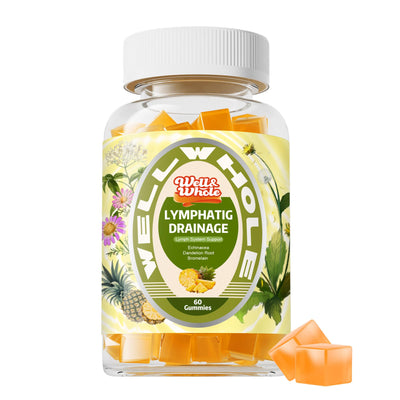
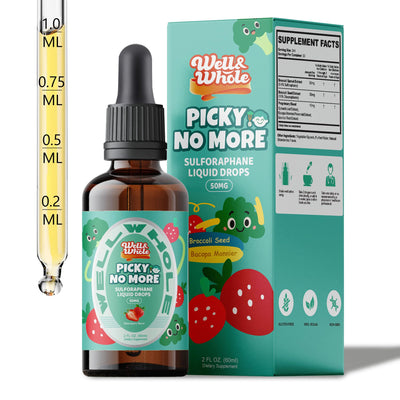
Putting it simply: if this is something you want to add to your routine, our Lymphatic Drainage Supplements Gummies with Echinacea Dandelion Burdock for Adults with Immune and Energy Support and Sulforaphane Broccoli Supplement Liquid Drops for Kids with Sulforaphane, Glucoraphanin, Bacopa Monnieri are a good place to start. The wider Immune Support collection is worth a look, and the Health Benefits range covers related formats.
These statements have not been evaluated by the Food and Drug Administration. This product is not intended to diagnose, treat, cure, or prevent any disease. Talk to a healthcare professional before starting any new supplement, especially if you are pregnant, nursing, taking medication, or managing a health condition.