How to Memorize Non Essential Amino Acids: Simple Tricks That Actually Work

How to Memorize Non Essential Amino Acids: Simple Tricks That Actually Work
Memorizing the 11 non essential amino acids might seem like a chore, but with the right techniques, it becomes surprisingly easy. Whether you’re a student preparing for a biochemistry exam, a fitness enthusiast tracking your protein intake, or a health professional helping clients optimize nutrition, knowing these building blocks by heart is valuable. Non essential amino acids—alanine, arginine, asparagine, aspartic acid, cysteine, glutamic acid, glutamine, glycine, proline, serine, and tyrosine—are produced naturally by the human body, yet remembering their names and functions can still trip you up. In this guide, we’ll explore practical mnemonic devices, association methods, and study hacks that make the list stick. Along the way, we’ll also highlight how well&whole supports your health journey with premium supplements designed to fill any nutritional gaps.
Why Memorizing Non Essential Amino Acids Matters for Your Health
Before diving into memory tricks, it helps to understand why these amino acids deserve your attention. According to the National Institutes of Health (NIH), the human body uses 20 standard amino acids to build proteins—9 are essential (must come from diet), and 11 are non essential (synthesized internally). However, “non essential” doesn’t mean unimportant. For instance, glutamine plays a key role in immune function and gut health, while glycine supports collagen production and nervous system regulation. Even though your body can produce them, factors like stress, illness, or intense exercise can increase demand, making supplemental support beneficial. That’s where well&whole comes in—offering clean, well-absorbed amino acid blends that help maintain optimal levels when your body needs them most. Understanding these building blocks also helps you make smarter dietary choices; for example, foods like eggs, meat, and legumes provide both essential and non essential amino acids, ensuring a complete profile for muscle repair and enzyme synthesis.
Key takeaway: Non essential amino acids are vital for everyday physiology, and memorizing them deepens your grasp of nutrition and wellness.
The Best Mnemonic for Non Essential Amino Acids: A Story-Based Approach
One of the most effective ways to remember any list is to turn it into a vivid story or acronym. Since the 11 non essential amino acids start with A, A, A, A, C, G, G, G, P, S, T (the last one is tyrosine, which starts with T), you can build a memorable phrase. Try this: “Alligators Are Always Awesome; Cats Go Gliding Gracefully Past Sandy Trees.” Let’s break it down:
- A – Alanine
- A – Arginine
- A – Asparagine
- A – Aspartic acid
- C – Cysteine
- G – Glutamic acid
- G – Glutamine
- G – Glycine
- P – Proline
- S – Serine
- T – Tyrosine
Read the sentence aloud a few times, and picture an alligator gliding past a sandy tree—it’s weird enough to stick. For an even deeper connection, associate each amino acid with a body function: alanine for energy metabolism, arginine for blood flow, asparagine for neural development, aspartic acid for hormone production, cysteine for antioxidant defense, glutamic acid for brain signaling, glutamine for gut health, glycine for sleep quality, proline for skin elasticity, serine for cell membrane integrity, and tyrosine for thyroid function. This mnemonic for non essential amino acids works because it combines visual imagery with functional relevance—exactly what your brain loves.
Key takeaway: Create a quirky story or acronym, and link each amino acid to a real-world role to boost recall.
Three Scientific Study Techniques to Lock in the List
If stories aren’t your style, try these evidence-backed methods that align with how memory works. First, spaced repetition. Use a flashcard app like Anki or a simple notebook: on day one, review the list five times; day two, three times; day three, once. According to research published in Psychological Science in the Public Interest, spaced practice strengthens long-term retention significantly more than cramming. Second, the peg system—imagine each number from 1 to 11 with a vivid object (1 = pen, 2 = shoe, 3 = tree…). Then “peg” each non essential amino acid to that object: for example, 1 (pen) = alanine (imagine a pen writing “Ala” on paper). Repeat until the association is automatic. Third, teach someone else. Explain the list to a friend or even an imaginary audience. The act of verbalizing forces your brain to organize the information, making it stick. For instance, say: “Cysteine is the only non essential amino acid with a sulfur group—it helps make glutathione, the body’s master antioxidant.” This “chunking” technique is especially effective for ways to remember non essential amino acids because it turns abstract names into concrete facts.
Key takeaway: Combine spaced repetition, peg systems, and teaching to encode the list into long-term memory.
How well&whole Supplements Can Support Your Amino Acid Balance
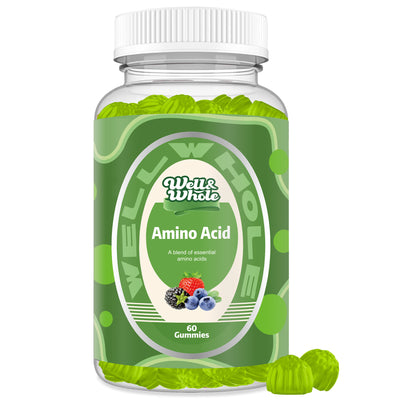
While memorization is an intellectual exercise, real-world health requires practical action. Even though your body makes non essential amino acids, certain situations—like high-intensity training, chronic stress, or aging—can deplete them faster than production keeps up. That’s where targeted supplementation shines. well&whole offers a thoughtfully formulated amino acid complex that includes key non essential varieties like glutamine, glycine, and tyrosine. Each batch is third-party tested for purity and potency, ensuring you get exactly what the label says. For example, our well&whole Glutamine Powder supports gut barrier integrity and immune resilience, a common need for athletes and busy professionals. Similarly, well&whole Glycine Capsules promote restful sleep and joint health. By integrating these supplements into your daily routine, you’re not just memorizing a list—you’re actively nourishing the pathways those amino acids govern. This holistic approach aligns with the growing trend in personalized nutrition, where understanding compound names translates into better self-care.
Key takeaway: Pair your knowledge with smart supplementation from well&whole to maintain optimal amino acid levels during high-demand periods.
Common Mistakes to Avoid When Learning Non Essential Amino Acids
A few pitfalls can sabotage your memorization efforts. First, don’t confuse non essential with unnecessary—as noted earlier, they are crucial for daily function. Second, avoid trying to memorize all 11 at once without context. Instead, group them by chemical structure or function: for example, the acidic ones (aspartic acid, glutamic acid), the sulfur-containing one (cysteine), and the hydroxyl ones (serine, threonine—wait, threonine is essential; double check!). Actually, serine is hydroxyl-containing; proline is cyclic; glycine is the smallest. These group distinctions create non essential amino acids list memory tricks that simplify recall. Another mistake is neglecting to review regularly. A single session might give you short-term recall, but without reinforcement, the list fades. Set a 5-minute daily review for one week, then weekly for a month. Finally, don’t assume supplements can replace a balanced diet. While well&whole products fill gaps, whole foods like chicken, fish, dairy, and legumes provide a natural matrix of amino acids and other nutrients. Use the memorization as a foundation for smarter eating, not as a replacement.
Key takeaway: Avoid confusion by grouping amino acids, reviewing consistently, and supplementing wisely.
Frequently Asked Questions
1. What is the easiest mnemonic for non essential amino acids?
The most popular mnemonic is the “alligator” story mentioned above: Alligators Are Always Awesome; Cats Go Gliding Gracefully Past Sandy Trees. You can also make your own—the key is to use vivid, unusual imagery that triggers recall.
2. How long does it take to memorize all 11 non essential amino acids?
With consistent practice using spaced repetition and a good mnemonic, most people can recall the entire list within 3 to 5 days. If you review for 5–10 minutes daily, you’ll likely have it locked in by the end of a week.
3. Can taking well&whole amino acid supplements help with muscle recovery?
Yes. Non essential amino acids like glutamine and glycine play roles in protein synthesis, tissue repair, and reducing oxidative stress. well&whole’s clean formulations provide these compounds in bioavailable forms, supporting faster recovery post-workout and overall muscle health.
These statements have not been evaluated by the Food and Drug Administration. This product is not intended to diagnose, treat, cure, or prevent any disease.