How to Get Essential Aminos Naturally with Whole Foods
Learn how to get essential amino acids naturally with whole foods, complete proteins, and plant based protein combinations

You might already know that your body needs protein to build muscle, keep your energy up, and repair tissue...
But protein is just the macro-level story. What your body actually craves are the building blocks inside it: essential amino acids.
Out of the 20 amino acids your body uses, there are nine essential amino acids that your system cannot manufacture on its own. If you don't get them from your diet, your body simply runs on empty—leading to persistent fatigue, sluggish workout recovery, and brain fog.
The good news? You don't need a shelf full of synthetic pills or chalky powders to fix this.
In this guide, you are going to learn exactly how to get essential amino acids naturally using complete protein sources from real, whole foods. Whether you are searching for clean, lean animal proteins or mastering plant-based protein combinations, I will show you how to effortlessly flood your amino acid pool just by eating a vibrant, diverse diet.
Let's dive right in.
The Science of the "Big Nine": Meet the Essential Amino Acids
When you are looking at how to get essential amino acids naturally, you are really looking at the foundational building blocks of your entire body. Our bodies need twenty different amino acids to grow and function properly. However, nine of these are classified as essential. This means your body cannot manufacture them on its own. You have to get them directly through the foods you eat every single day.
Without a steady supply of these nine essential amino acids, your body simply cannot maintain its daily repair work, leaving your energy, recovery, and immune system compromised.
The Fast-Acting Trio (BCAAs)
Three of the nine essential amino acids are grouped together as branched-chain amino acids (BCAAs). These are unique because they bypass the liver and head straight to your muscles to spark muscle protein synthesis and speed up recovery.
- Leucine: The ultimate catalyst for muscle growth and repair. It acts as the nutritional switch that turns on tissue rebuilding.
- Isoleucine: Concentrated heavily in muscle tissue, this amino acid is a major player in hemoglobin production and regulating local energy levels.
- Valine: Works alongside the other two to stimulate muscle regeneration and maintain overall coordination.
The Metabolic and Structural Anchors
The next group of amino acids forms the backbone of your physical structure, metabolic health, and detoxification pathways.
- Lysine: Vital for building muscle, maintaining bone strength, and helping tissues heal. Finding lysine-rich foods is a major priority for anyone optimizing a plant-based diet.
- Methionine: Essential for skin elasticity, strong hair, and healthy nails, while also assisting in the absorption of crucial minerals like zinc and selenium.
- Threonine: A core structural component of collagen and elastin, making it a critical asset for your skin and connective tissues.
The Brain and Nervous System Optimizers
The final group works directly behind the scenes to regulate your mood, sleep cycles, and cellular defense mechanisms.
- Phenylalanine: The precursor for your brain's chemical messengers, including dopamine, epinephrine, and norepinephrine, which keep you sharp and focused.
- Tryptophan: Best known as the precursor to serotonin, the hormone that dictates your mood, relaxation, and healthy sleep patterns.
- Histidine: Crucial for maintaining the myelin sheaths that protect your nerve cells, while also producing histamine for immune defense.
To keep your amino acid pool topped off and ready for action, a balanced intake of these biochemical heroes is essential.
| Amino Acid Category | Key Members | Primary Role in the Body |
|---|---|---|
| BCAAs | Leucine, Isoleucine, Valine | Direct muscle repair, energy production, tissue regeneration |
| Structural Anchors | Lysine, Methionine, Threonine | Collagen production, bone health, immune function |
| Brain Optimizers | Phenylalanine, Tryptophan, Histidine | Mood regulation, sleep cycles, nerve protection |
The Complete vs. Incomplete Protein Paradigm
Defining the Terms Accurately
When figuring out how to get essential amino acids naturally, understanding dietary protein quality comes down to one distinction: complete versus incomplete proteins. A complete protein contains all nine essential amino acids in sufficient amounts that your body cannot make on its own. These are the building blocks required to kickstart muscle protein synthesis and repair tissue.
In contrast, incomplete protein sources lack one or more of these critical compounds. If a protein is low in a specific lockdown nutrient—like lysine—it creates a bottleneck in your internal amino acid pool, limiting how well your body can utilize the rest of the nutrients.
The Evolution of Nutrition Science
Old-school nutrition advice claimed that plant-based eaters had to meticulously measure and combine complementary proteins at every single meal to avoid deficiencies. Thankfully, nutrition science has evolved.
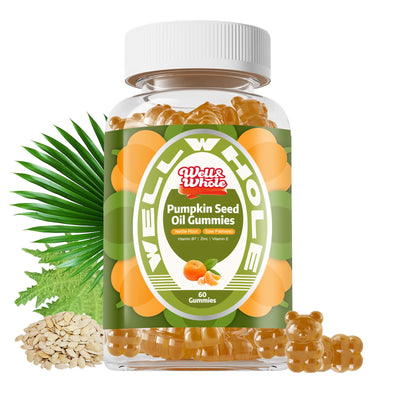
Modern research proves that your body maintains a temporary storage pool of amino acids. As long as you consume a wide variety of plant-based protein combinations throughout the day, your body naturally balances the ledger. However, optimizing your daily intake is still about efficiency and nutrient density. For those looking to support overall metabolic health and clean energy pathways while balancing their diet, incorporating targeted botanicals like pumpkin seed oil gummies can be a smart, micronutrient-dense addition to a whole-food routine.
| Protein Type | Characteristics | Common Examples |
|---|---|---|
| Complete Proteins | Contains all 9 essential amino acids in optimal ratios. | Lean animal proteins, quinoa, soy, buckwheat. |
| Incomplete Proteins | Missing or low in one or more essential amino acids. | Beans, lentils, grains, nuts, and seeds. |
Nature’s Powerhouses: Top Whole Food Sources
Getting all your nine essential amino acids doesn't require a science lab or complicated math. Nature provides everything you need through nutrient-dense whole foods. To optimize your daily intake, it helps to understand how different food groups deliver these vital protein building blocks to your body.
Tier 1: Naturally Complete Animal Proteins
For the highest concentration of readily usable protein, lean animal proteins are unmatched. These are classified as complete protein sources because they contain all nine essential amino acids in the exact ratios your body needs to fuel muscle protein synthesis and tissue repair.
- Whole Eggs: Often called the gold standard of protein quality, containing highly bioavailable forms of every single EAA.
- Wild-Caught Fish & Seafood: Excellent sources of methionine and isoleucine, along with crucial omega-3 fatty acids.
- Grass-Fed Beef & Poultry: Packed with branched-chain amino acids (BCAAs) to support metabolic health and muscle maintenance.
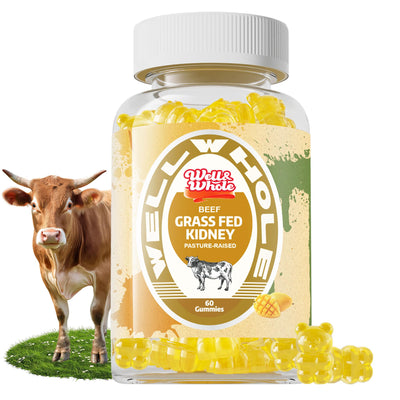
- Organ Meats: True nutritional powerhouses that offer deeply concentrated amino acid profiles alongside vital micronutrients. If cooking fresh organ meats doesn't fit your lifestyle, we crafted our grass-fed beef kidney gummies to provide a clean, whole-food alternative that seamlessly fits into your daily routine.
Tier 2: Naturally Complete Plant-Based Proteins
If you lean toward a plant-heavy lifestyle, you can absolutely get essential amino acids naturally without relying on animal products. While most plant foods lack one or more amino acids, a select few stand out as complete plant proteins on their own.
- Quinoa: A versatile grain-like seed that delivers a balanced profile of all nine essential amino acids, particularly rich in lysine.
- Soy Products (Tempeh, Tofu, Edamame): One of the most robust whole food protein alternatives for vegetarians and vegans, offering a heavy dose of BCAAs.
- Hemp and Chia Seeds: These micronutrient-dense proteins provide a solid dose of healthy fats alongside their complete amino acid structure.
Tier 3: The Synergy of Incomplete Proteins (Complementary Pairings)
You do not need every single meal to contain a complete protein. Your body maintains an internal amino acid pool that draws from what you eat throughout the day. By utilizing smart plant-based protein combinations, you create complementary proteins that fill in each other's nutritional gaps.
| Plant Food A (Low in Lysine, High in Methionine) | Plant Food B (High in Lysine, Low in Methionine) | Resulting Complementary Pairing |
|---|---|---|
| Grains (Brown Rice, Oats, Whole Wheat) | Legumes (Black Beans, Chickpeas, Lentils) | Rice and Beans / Hummus and Whole Wheat Pita |
| Nuts & Seeds (Peanuts, Sunflower Seeds) | Legumes (Lentils, Peas) | Peanut Butter on Whole Grain Bread |
| Grains (Corn, Rice) | Legumes (Soy, Beans) | Corn Tortillas with Refried Beans |
Bioavailability: How to Get Essential Amino Acids Naturally
Eating enough protein is only half the battle. To truly understand how to get essential amino acids naturally, you have to look at bioavailability—which is just a shorthand way of saying how much of that protein your body can actually break down and use.
The Digestion Factor
When you consume dietary protein, your digestive tract has to break those complex chains down into individual amino acids. If your gut health is compromised or your stomach acid is low, you won't absorb those building blocks efficiently, no matter how much protein is on your plate. If your digestion needs a tune-up to improve nutrient absorption, incorporating targeted slippery elm liquid drops can help soothe the GI tract and support optimal gut function.
Animal vs. Plant Protein Bioavailability
Not all proteins are absorbed at the same rate. The dietary protein quality varies significantly between animal and plant kingdoms:
- Animal Proteins: Boast a absorption rate of over 90%. Lean animal proteins contain all nine essential amino acids in ratios that mirror human tissue, making them highly efficient for muscle protein synthesis.
- Plant Proteins: Typically have an absorption rate between 70% and 90%. The bioavailability of plant proteins is slightly lower due to rigid plant cell walls and naturally occurring anti-nutrients.
Kitchen Alchemy—Maximizing EAA Uptake
You can easily bypass the absorption limits of whole food protein alternatives by using a few traditional cooking methods. These simple techniques break down anti-nutrients like phytic acid, unlocking the full amino acid pool in your food:
- Soaking and Sprouting: Perfect for grains, seeds, and legumes to deactivate phytates and boost lysine-rich foods.
- Fermentation: Eating fermented plant-based protein combinations like tempeh or natto significantly improves digestibility.
- Pairing with Vitamin C: Adding citrus or bell peppers to your meals enhances overall nutrient uptake and supports metabolic health.
Signs of Amino Acid Insufficiency
When your body lacks a steady supply of the nine essential amino acids, it cannot maintain basic upkeep. Because your body does not store these compounds like it does fat or carbohydrates, a daily deficit forces it to break down its own muscle tissue to access the necessary amino acid pool. Recognizing the early signs of a shortage helps prevent more serious nutritional deficiencies.
Subtle Red Flags Your Body is Waving
- Persistent Muscle Loss: A decline in muscle protein synthesis leads to unexplained weakness, loss of muscle mass, and unusually long recovery times after physical activity.
- Brittle Hair and Nails: Since hair, skin, and nails are made of proteins like collagen and keratin, a shortage causes thinning hair, dry skin, and ridges in your nails.
- Constant Fatigue: Amino acids are critical for building neurotransmitters and transporting nutrients. A deficit often manifests as sluggishness and brain fog.
- Slow Recovery: Minor cuts, bruises, or workout-induced soreness take much longer to heal when your body lacks the structural building blocks to repair tissue.
Who is Most at Risk?
| At-Risk Group | Primary Vulnerability | Focus Nutrient |
|---|---|---|
| Strict Vegans & Vegetarians | Relying heavily on incomplete proteins without proper pairing. | Lysine and Methionine |
| Active Athletes | Higher demand for branched-chain amino acids (BCAAs) to repair muscle. | Leucine, Isoleucine, Valine |
| Older Adults | Natural decline in stomach acid impairs dietary protein quality absorption. | Total Essential Amino Acids |
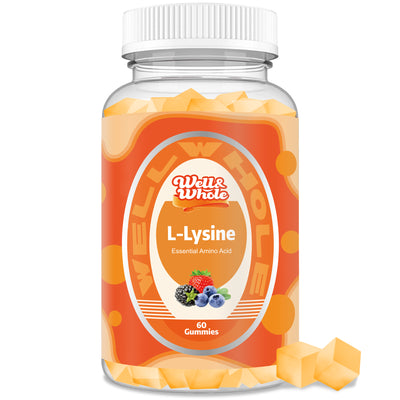
For individuals focused on plant-based diets, getting enough of specific amino acids can be challenging. For instance, incorporating targeted support like L-Lysine essential amino acid gummies can help bridge the gap when everyday meals fall short of meeting your daily baseline. Maintaining optimal levels ensures your immune system, metabolism, and muscles function exactly as they should.
The well&whole Blueprint: A Sample Day of Balanced Amino Acids
Getting your nine essential amino acids naturally doesn't require obsessive tracking or complex math. It just takes a little intention with your daily meals. By focusing on dietary protein quality and mixing lean animal proteins with smart plant-based protein combinations, you can easily keep your amino acid pool topped off.
Here is a straightforward, nutrient-dense blueprint to show you how to get essential amino acids naturally from morning to night.
Breakfast: The Morning Muscle Catalyst
Start the day by triggering muscle protein synthesis right out of the gate.
- The Plate: Three large pasture-raised eggs scrambled with a handful of spinach, served alongside one slice of sprouted whole-grain toast topped with smashed avocado.
- The Amino Profile: Eggs are the gold standard for complete protein sources, offering perfect bioavailability. The sprouted toast adds an extra kick of plant proteins to round out the meal.
Lunch: The Sustained Energy Bowl
Keep your energy stable and support your body's metabolic anchors with a clean, micronutrient-dense lunch.
- The Plate: 5 ounces of grilled chicken breast (one of the best lean animal proteins) over a bed of mixed greens, quilted with a half-cup of cooked quinoa, shredded carrots, and a lemon-tahini dressing.
- The Amino Profile: Chicken naturally delivers all nine essential amino acids, including a high concentration of branched-chain amino acids (BCAAs) to prevent mid-day muscle breakdown. Quinoa acts as one of the few complete plant proteins to reinforce the meal.
Snack: The Cellular Recovery Boost
Mid-afternoon is the perfect time to support your nervous system and skin health without a heavy digestive load.
- The Plate: A handful of raw pumpkin seeds paired with a refreshing beverage mixed with our l-lysine supplement liquid drops 1000mg.
- The Amino Profile: Pumpkin seeds are excellent whole food protein alternatives rich in tryptophan and zinc. Pairing your whole foods with a targeted lysine boost ensures optimal tissue repair, immune defense, and collagen production when your body needs a quick pick-me-up.
Dinner: The Plant-Forward Complementary Pairing
Wrap up the day with a comforting meal built on the principle of complementary proteins, proving that plant-based protein combinations can easily hit your physical goals.
- The Plate: A hearty black bean and brown rice bowl topped with grilled bell peppers, onions, and a scoop of fresh guacamole.
- The Amino Profile: On their own, beans and rice are incomplete. But when eaten together, the sulfur-containing amino acids in the rice pair perfectly with the lysine-rich beans. This synergy creates a highly bioavailable, complete protein profile that supports overnight recovery while you sleep.
Related supplements
If you're ready to put this into practice, our EAA Gummie 60 counts Essential Amino Acids Supplement Gummies for Men and Women and Essential Amino Acid (EAA) Liquid Drops & Liver Support Liquid Supplement are formulated with this in mind. You can also compare the Amino Acids and Muscle Support ranges to find the format that suits you.
These statements have not been evaluated by the Food and Drug Administration. This product is not intended to diagnose, treat, cure, or prevent any disease.