How much vitamin C should you take

Finding the Right Amount of Vitamin C: A Health Perspective
Vitamin C holds a pivotal role in maintaining optimal health. From strengthening the immune system to boosting collagen production for healthier skin, this nutrient is essential to your well-being. However, balancing your daily intake is critical—understanding how much is enough allows you to maximize its benefits without harming your health. Here, we dive into expert-backed guidelines and practical tips to help you fine-tune your vitamin C consumption and make informed decisions.
Key Takeaways
- Vitamins and minerals are essential nutrients the body needs in small amounts for normal function.
- A supplement helps fill dietary gaps but works best with a varied diet.
- Follow labeled servings—more is not always better; consult a professional before high-dose use.
How Vitamin C Supports Your Body
Vitamin C (ascorbic acid) is a water-soluble nutrient that serves multiple functions. Primarily, it supports a robust immune system by encouraging the production of white blood cells. Additionally, it helps combat oxidative stress and inflammation, making it an indispensable ally in reducing the risk of chronic illnesses. Beyond that, it enhances the absorption of iron from plant-based foods and promotes wound healing.

As beneficial as it is, getting the right dosage matters. Studies show that inadequate intake leads to symptoms such as fatigue, a weakened immune system, and gum disease. On the flip side, overconsumption could result in stomach upset or kidney stones, creating the need for caution when determining proper usage.
The Recommended Daily Allowance
According to the National Institutes of Health (NIH), the daily recommended amount of vitamin C varies by age, gender, and lifestyle:
- Adults: The recommended intake for men is 90 mg per day, while women typically need 75 mg.
- Pregnant or Breastfeeding Women: Requirements increase slightly to around 85-120 mg daily.
- Smokers: Smokers should add an extra 35 mg to their daily intake due to a higher rate of oxidative damage.
For most individuals, these amounts can easily be met by consuming a balanced diet rich in fruits and vegetables such as oranges, strawberries, bell peppers, and spinach. However, for those with specific health needs or those unable to meet dietary requirements, well&whole’s premium vitamin C supplements offer a convenient solution backed by quality and purity.
Can You Have Too Much Vitamin C?
While vitamin C is generally safe, excessive intake can lead to unwanted side effects. The tolerable upper limit for adults is 2,000 mg per day. Exceeding this amount might cause gastrointestinal discomfort, nausea, diarrhea, and, in extreme cases, kidney stones. Moderation is key, particularly if supplementing alongside a normal diet.
For instance, taking supplements solely to boost immunity during flu season or as part of skincare goals is unlikely to cause harm if you follow dosing recommendations. However, continual high doses without medical supervision could become problematic. well&whole’s range of supplements ensures both safety and efficacy, providing clear dosage guidelines to help you stay within recommended limits.
Vitamin C and Modern Lifestyles
Lifestyle factors such as stress and unhealthy habits may increase the body’s demand for vitamin C. Research indicates that people undergoing chronic stress may benefit from additional supplementation, as their bodies deplete this nutrient faster. Likewise, those exposed to environmental toxins, including smokers or individuals living in polluted areas, may also require heightened attention to their intake.
Athletes, due to a higher oxidative toll on their bodies during intense workouts, often turn to vitamin C for recovery aid. For these groups and others with elevated needs, choosing supplements like those from well&whole ensures reliable bioavailability compared to dietary sources alone.
How to Make Vitamin C Work for You
To optimize your health, consider the following strategies:
- Focus on balanced nutrition. An assortment of fresh fruits and vegetables contributes to your daily vitamin C needs effortlessly. Consider pairing citrus with leafy greens for maximum nutrient absorption.
- Monitor your supplement intake. Trusted brands like well&whole provide clear, science-backed dosing instructions that align with your lifestyle needs.
- Adjust for your unique health concerns. If you’re pregnant, athletic, or dealing with high stress levels, consult a healthcare provider regarding personalized supplementation.
- Use vitamin C strategically. Taking supplements during flu season, recovery from illness, or during periods of stress could help bolster immune defenses or enhance healing.
A Simple Health Upgrade
With so many advantages tied to proper vitamin C intake, maintaining optimal levels shouldn’t be overlooked. Whether through diet or high-quality supplements like those from well&whole, this powerhouse vitamin supports better immunity, skin health, and an overall improved quality of life.
By understanding the appropriate dosage, you’re empowering yourself to maintain better health without the pitfalls of underconsumption or excess. Don’t leave your well-being to chance; take meaningful steps today toward a more vibrant tomorrow.
Elevate your health journey with well&whole—where premium-grade supplements meet expert care backed by science. Ensure you’re getting more from life, one nutrient at a time.
Related supplements
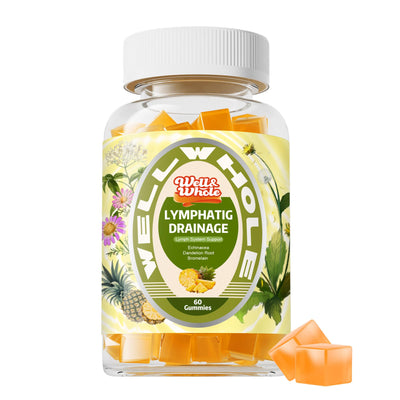
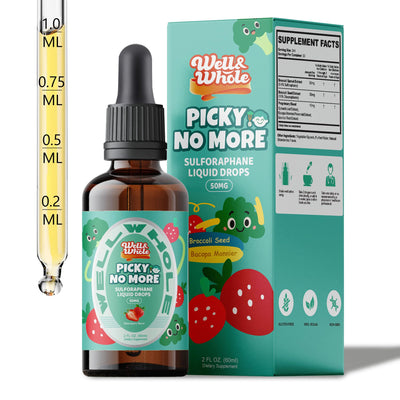
If you're ready to put this into practice, our Lymphatic Drainage Supplements Gummies with Echinacea Dandelion Burdock for Adults with Immune and Energy Support and Sulforaphane Broccoli Supplement Liquid Drops for Kids with Sulforaphane, Glucoraphanin, Bacopa Monnieri are formulated with this in mind. You can also compare the Immune Support and Health Benefits ranges to find the format that suits you.
The role of vitamins and minerals
Micronutrients support normal immune function, energy metabolism, bone health, and countless enzymatic processes. Needs vary by age, diet, and life stage.
A supplement is meant to complement dietary intake from foods such as vegetables, lean proteins, and whole grains.
Who might be interested
Adults with restricted diets, higher needs, or low sun/dietary exposure to certain nutrients often consider targeted supplementation.
Life stages such as pregnancy or aging can shift requirements.
How to choose a quality vitamin or mineral
Look for the nutrient form (e.g., methylated B12, chelated minerals), clear amounts vs. daily value, and third-party testing.
Avoid mega-doses beyond labeled guidance unless advised by a professional.
How it may fit alongside a balanced diet
Think of supplements as a top-up, not a substitute. A varied, nutrient-dense diet remains the foundation.
This article is for general wellness education and is not intended to diagnose, treat, cure, or prevent any condition. Individual needs vary—always review product labels and consult a qualified healthcare professional before starting any new supplement.
These statements have not been evaluated by the Food and Drug Administration. This product is not intended to diagnose, treat, cure, or prevent any disease.