How Much Vitamin C Per Day A Science Based Food First Guide
Learn how much vitamin C per day you need by age and lifestyle plus RDA UL food sources benefits and safe supplement tips

Wondering exactly how much vitamin c per day you actually need to stay healthy? It is easy to get confused by the massive doses found in supplement aisles. Let's break down the official baseline standards established for the United States market so you know exactly what your body requires.
Recommended Dietary Allowance (RDA)
The Recommended Dietary Allowance (RDA) is the gold standard guide for your daily intake. This is the average daily level of intake sufficient to meet the nutrient requirements of nearly all healthy individuals. Because Vitamin C is a water-soluble vitamin, your body cannot store it. You need a fresh supply every single day to maintain proper cellular function and avoid vitamin c deficiency.
Adult Breakdowns: The Numbers at a Glance
Your daily requirement depends mostly on your biological sex and age. For healthy adults, the baseline numbers are straightforward:
| Demographic | Recommended Daily Amount |
|---|---|
| Adult Men (19+ years) | 90 mg / day |
| Adult Women (19+ years) | 75 mg / day |
| Pregnant Individuals | 85 mg / day |
| Breastfeeding Individuals | 120 mg / day |
Special Life Stages and Lifestyle Adjustments
A standard diet doesn't fit every lifestyle. The most notable exception to the standard rule is The Smoker’s Premium.
- Nicotine users: If you smoke cigarettes or use nicotine, you need an extra 35 mg per day. Nicotine accelerates oxidative stress in the body, which depletes your natural stores of ascorbic acid much faster than normal.
- Passive smokers: Even regular exposure to secondhand smoke increases your daily requirement.
Infant and Pediatric Guidelines
Children require significantly less Vitamin C than adults, but the nutrient is still absolutely critical for their growing bones and immune health.
- 0 to 6 months: 40 mg / day (typically met through breastmilk or formula)
- 7 to 12 months: 50 mg / day
- 1 to 3 years: 15 mg / day
- 4 to 8 years: 25 mg / day
- 9 to 13 years: 45 mg / day
- 14 to 18 years: 75 mg for boys / 65 mg for girls
Meeting these daily minimums is your primary defense line for scurvy prevention and basic metabolic health.
The Limits of Absorption: How Your Body Uses Ascorbic Acid
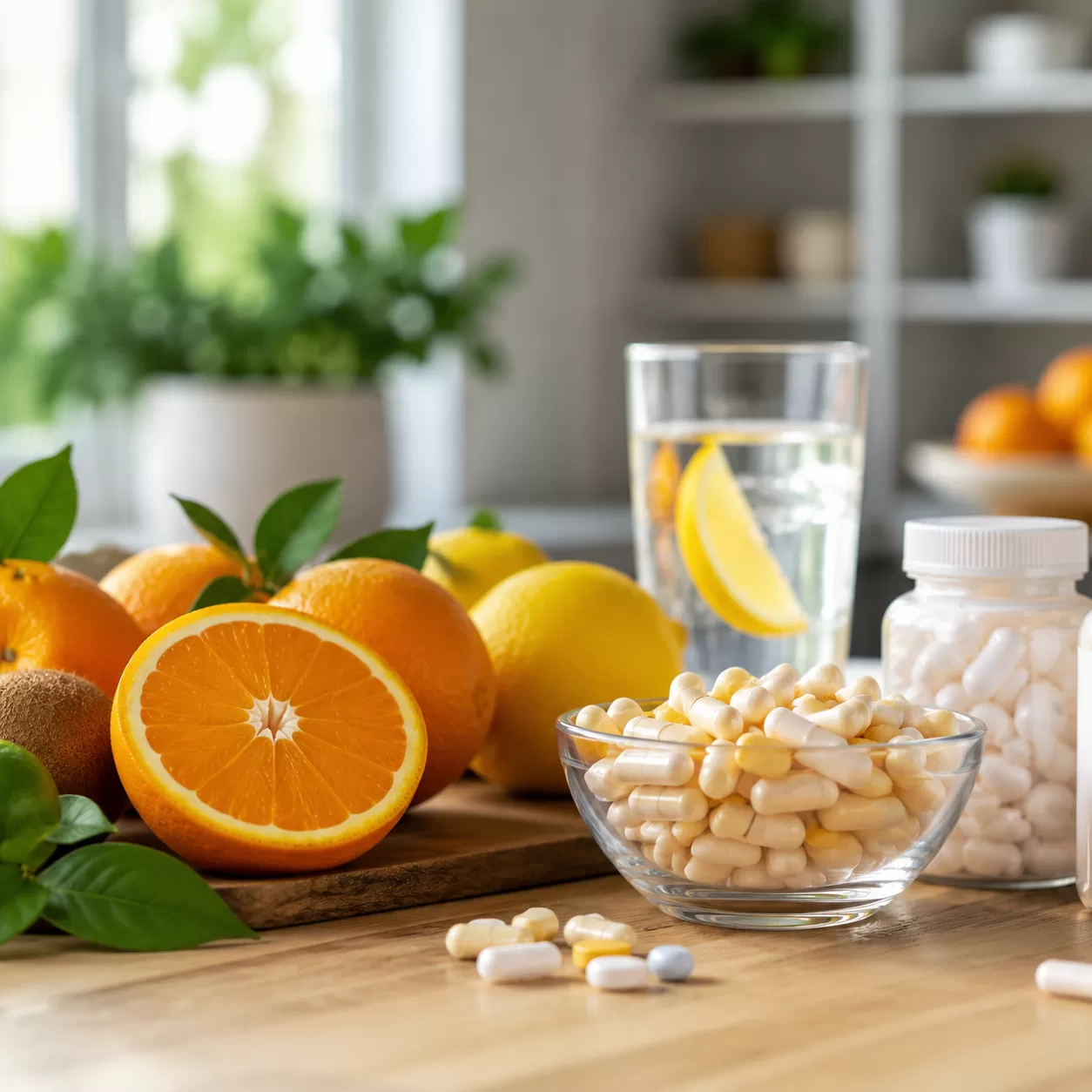
Your body cannot store vitamin C, meaning how much vitamin C per day you actually utilize depends entirely on your gut's absorption efficiency. When you consume ascorbic acid, it relies on specific active transport systems in the intestines to enter your bloodstream. This mechanism is highly efficient at lower doses but rapidly degrades as the intake volume spikes.
The Bioavailability Curve: Explaining Oral Controls
The gastrointestinal tract tightly controls the bioavailability and absorption of oral vitamin C.
- At dietary doses under 200 mg, your body absorbs up to 90% of the nutrient.
- At a single dose of 1,000 mg, absorption efficiency drops to under 50%.
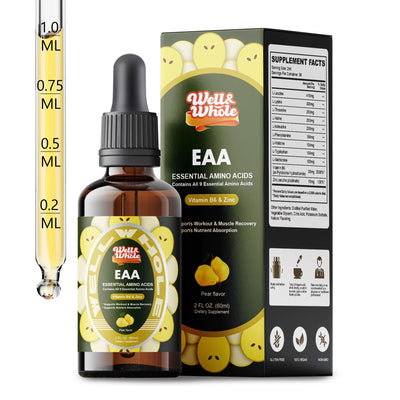
Because absorption operates on a steep downward curve, flooding your system with massive doses yields diminishing returns. If you want to optimize how your body utilizes nutrients alongside your vitamin regimen, maintaining foundational cellular health is key—which is why supporting your diet with options like an essential amino acid EAA liquid can help streamline your daily wellness routine.
The Saturation Point: Why Megadoses Flush Right Out
Once blood plasma reaches its saturation point, the kidneys act as a strict filtration system. The human body cannot store this water-soluble vitamin for later use.
- The Threshold: Plasma saturation occurs at an intake of roughly 200 to 400 mg per day.
- The Result: Any excess ascorbic acid circulating in your system gets filtered out by the kidneys and excreted through urine.
Taking megadoses of several thousand milligrams at once does not give you superhuman immunity; it simply creates expensive waste while forcing your digestive tract to work overtime. To get the most out of your daily intake, spacing out smaller doses or relying on whole-food sources remains the most effective strategy.
Can You Overdose? The Tolerable Upper Intake Level (UL)
While ascorbic acid is exceptionally safe, your body still has a hard ceiling. Knowing how much vitamin c per day is too much prevents unnecessary strain on your digestive system.
The Ceiling: Adult Boundaries
For adults, the Tolerable Upper Intake Level (UL) is strictly set at 2,000 mg per day. Consuming more than this amount from dietary supplements isn't life-threatening, but it completely saturates your system and forces your kidneys to work overtime to flush out the excess water-soluble vitamin.
Side Effects of Excess Supplementation: Gastrointestinal Distress
When you blast your digestive tract with megadoses, the unabsorbed vitamin C draws water into your bowel. This leads to clear signs of gastrointestinal distress, including:
- Abdominal cramps and bloating
- Severe diarrhea
- Nausea and stomach upset
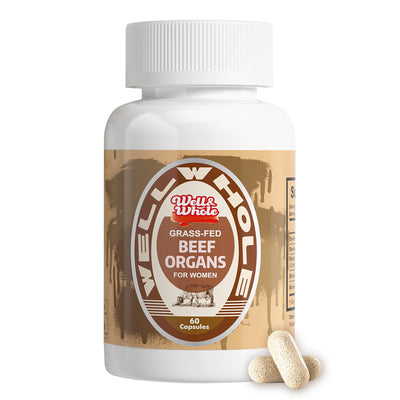
If your gut feels off after taking synthetic pills, consider shifting your focus toward full-body wellness with nutrient-dense options like grassfed beef organ supplement capsules to support your health without overloading your stomach.
Food vs. Supplements: The Safety of Whole Foods
It is virtually impossible to hit the 2,000 mg danger zone strictly through whole foods. Whole foods package nutrients with fiber and water, slowing down absorption and protecting your gut. The risk of toxicity and unpleasant side effects comes almost exclusively from overdoing high-dose isolated pills and powders.
Beyond Scurvy: The Real Health Benefits of Optimal Levels
Getting enough ascorbic acid isn't just about avoiding a historical disease like scurvy. To truly thrive, understanding how much vitamin c per day your body needs for optimal performance changes the entire game. Maintaining peak levels provides foundational support for your daily wellness and cellular function.
Key Health Benefits at a Glance
| Benefit Area | Mechanism | Real-World Impact |
|---|---|---|
| Immune System Support | Enhances cellular mechanics and white blood cell function. | Helps the body fight off daily environmental stressors. |
| Collagen Synthesis | Acts as a mandatory co-factor for tissue repair. | Supports skin elasticity, joint health, and wound healing. |
| Iron Absorption | Boosts the bioavailability of plant-based (non-heme) iron. | Increases energy levels by improving iron uptake in the gut. |
| Antioxidant Defense | Neutralizes harmful free radicals. | Protects cells from oxidative stress and premature aging. |
Maximizing Your Body's Defense and Repair
- Cellular Protection: As a potent water-soluble vitamin, it circulates through your system to neutralize free radicals before they can cause cellular damage.
- The Iron Synergy: If you follow a plant-based diet, pairing your meals with vitamin C is essential. It transforms hard-to-absorb iron into a format your body can readily use.
- Total Body Vitality: From glowing skin to robust immune responses, keeping your daily intake optimized ensures your body has the raw materials it needs to repair and protect itself. For comprehensive wellness, keeping your digestion and gut health in top shape with a specialized digestive health supplement further ensures your body effectively processes and utilizes these vital nutrients.
The Truth About Vitamin C and the Common Cold
The Myth: Instant Cold Prevention
Populating your system with vitamin C the moment you feel a scratchy throat won't instantly block a cold. Many people mistakenly treat ascorbic acid as a cure-all shield. While it is a powerhouse for immune system support, popping a handful of supplements after you are already sick does not offer immediate prevention.
The Reality Check: Prophylactic Use vs. Acute Dosing
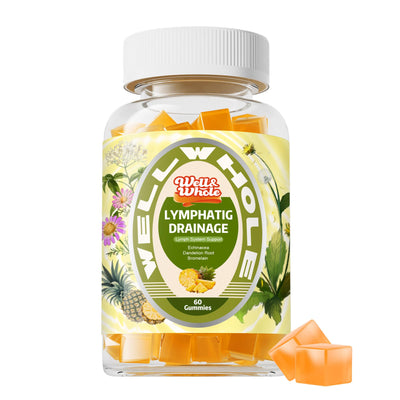
When figuring out how much vitamin c per day you need for immune health, consistency beats panic dosing. Research shows that taking vitamin C after cold symptoms start does little to change the course of the illness. However, regular, daily intake before getting sick—known as prophylactic use—can reduce the duration and severity of the common cold. To keep your body's defenses running optimally alongside your daily routine, maintaining cellular health is key, much like keeping your body's filtration pathways clear with specialized lymphatic drainage supplements.
The Duration Factor: Year-Round Consistency
To get the real protective benefits of this water-soluble vitamin, you have to make it a daily habit. Year-round consistency allows your tissues to maintain optimal levels, helping your immune cells respond faster when bugs actually strike.
- Daily Consistency: Reduces cold duration by about 8% in adults and 14% in children.
- Acute Dosing: Highly ineffective if started after symptoms appear.
- Best Practice: Stick to your target Recommended Dietary Allowance (RDA) every single day rather than loading up only in January.
Food First: Top Natural Sources of Vitamin C
When figuring out how much vitamin c per day your body requires, turning to whole foods is always the best first step. While many people automatically reach for dietary supplements or synthetic ascorbic acid, your digestive system is designed to absorb this essential water-soluble vitamin most efficiently from natural grocery items. Eating a variety of whole foods ensures you hit your daily goals while enjoying a matrix of co-factors that improve overall nutrient uptake.
The Heavy Hitters: Beyond the Orange
The humble orange often gets all the credit for immune system support, but it is far from the most potent option available. If you want to maximize your intake without overloading on citrus fruits, several outstanding fruits and vegetables outshine the standard orange.
- Kakadu Plums and Acerola Cherries: These exotic fruits contain some of the highest concentrations of natural ascorbic acid on the planet.
- Guavas and Rose Hips: Exceptional tropical and wild options that pack several times the nutrient density of common grocery store finds.
- Sweet Yellow Peppers: Just one half-cup of chopped yellow bell pepper delivers over 150% of the typical daily recommendation.
- Dark Leafy Greens and Cruciferous Vegetables: Kale, broccoli, and Brussels sprouts are loaded with this nutrient, alongside supporting compounds that aid collagen synthesis and healthy tissue maintenance.
- Kiwi and Strawberries: Easy, delicious additions to breakfast that provide high bioavailability and powerful antioxidant properties.
For those looking to round out a nutrient-dense diet with deep, evolutionary nourishment, incorporating foundational whole-food options like a high-quality grass-fed beef liver supplement provides a natural spectrum of essential micronutrients that complement your daily fruit and vegetable intake perfectly.
Kitchen Care: Protecting Heat-Sensitive Nutrients
Getting enough nutrients into your grocery cart is only half the battle; you also have to get them safely onto your plate. Ascorbic acid is notoriously fragile. It is highly water-soluble and easily destroyed by heat, light, and oxygen exposure.
To prevent losing these vital nutrients during meal preparation, adjust your cooking habits to minimize degradation. Boiling vegetables is the primary culprit behind nutrient loss, as the vitamin leaches directly into the cooking water and ends up down the drain. Instead, opt for quick steaming, microwaving, or stir-frying with minimal water to preserve the food's structural integrity. Storing your fresh produce in cool, dark crisper drawers and consuming it within a few days of purchase ensures that you actually get the full amount of antioxidant defense needed to fight free radicals effectively every single day.
When Do Dietary Supplements Make Sense?
While getting your nutrients from whole foods is always our top priority, there are times when your daily diet falls short. If you are struggling to hit your targets or wondering exactly how much vitamin c per day you need to supplement, looking at your specific lifestyle and health habits will give you the answer. Supplements serve as an efficient insurance policy to fill those genuine nutritional gaps.
Identifying At-Risk Populations
Not everyone handles or absorbs nutrients the same way. Certain groups face a much higher risk of running low on ascorbic acid and require extra support:
- Smokers: Nicotine accelerates oxidative stress, meaning smokers need an extra 35 mg daily beyond the standard recommendation.
- Individuals with Malabsorption: Those dealing with GI issues or limited dietary variety often cannot absorb enough nutrients from food alone.
- Gaps in Animal-Based Diets: If you follow a strict regimen or want to fortify your overall nutrient intake, using targeted supplements alongside nutrient-dense options like grass-fed beef organ gummies can help cover missing ancestral micro-nutrients.
Choosing Wisely: Buffered vs. Unbuffered Ascorbic Acid
When picking a dietary supplement, the form of the vitamin matters for your stomach comfort. Standard unbuffered ascorbic acid is slightly acidic and might cause mild belly irritation for sensitive individuals.
| Supplement Type | Characteristics | Best For |
|---|---|---|
| Unbuffered Ascorbic Acid | Pure, highly bioavailable, cost-effective | Normal digestion, quick absorption |
| Buffered Vitamin C | Bound to minerals (like sodium or calcium calcium ascorbate) | Sensitive stomachs, acid reflux prevention |
The Baseline Philosophy: Filling Genuine Gaps
Our approach is straightforward: supplements should never replace real food, but they are incredibly valuable for hitting optimal baseline levels when life gets busy. By understanding your body's specific demands and choosing the right form, you ensure you get the perfect amount of support without wasting what your body can actually use.
FAQs About How Much Vitamin C Per Day You Need
Is 1000 mg of Vitamin C per day too much?
No, 1000 mg is not too much for most adults. While it is well above the daily Recommended Dietary Allowance (RDA), it sits safely below the Tolerable Upper Intake Level (UL) of 2000 mg per day. Since ascorbic acid is a water-soluble vitamin, your body simply flushes out what it does not absorb. However, taking 1000 mg all at once might lower your total bioavailability and absorption efficiency.
What are the first signs of Vitamin C deficiency?
A true vitamin C deficiency takes weeks to develop, but the earliest warning signs include:
- Unexplained fatigue and lethargy
- Bright red spots around hair follicles
- Easy bruising
- Bleeding or swollen gums
Left unchecked, a severe lack of the nutrient leads to scurvy prevention failure, causing joint pain and poor wound healing due to impaired collagen synthesis.
Can you take Vitamin C on an empty stomach?
Yes, you can, but it might not be comfortable for everyone. Pure ascorbic acid is highly acidic. Taking high-dose dietary supplements on an empty stomach can trigger gastrointestinal distress, cramping, or nausea. If you have a sensitive stomach, look for a buffered version or stick to getting your nutrients from citrus fruits and whole foods during meals.
Does Vitamin C interact with any medications?
Yes. High levels can alter how your body processes certain prescriptions.
- Aspirin and Blood Thinners: High doses can interfere with efficacy.
- Statin Drugs: It may lower the effectiveness of certain cholesterol medications when taken alongside other antioxidants.
- Iron Supplements: This is actually a positive interaction. Vitamin C actively enhances plant-based iron absorption in the gut.
Always check with your doctor before adding heavy doses of supplements to your routine if you take daily medications.
Related supplements
If you'd like to try it, Lymphatic Drainage Supplements Gummies with Echinacea Dandelion Burdock for Adults with Immune and Energy Support and Sulforaphane Broccoli Supplement Liquid Drops for Kids with Sulforaphane, Glucoraphanin, Bacopa Monnieri are the closest match to what we've covered here. Browse Immune Support and Health Benefits to see how the alternatives compare.
These statements have not been evaluated by the Food and Drug Administration. This product is not intended to diagnose, treat, cure, or prevent any disease.