How Much Lysine Supplement to Take Daily Guide
Learn how much lysine supplement to take safely daily benefits dosage tips and when to consult a healthcare provider

What Is Lysine and Why Do People Take It?
When people ask “how much lysine supplement to take,” they’re usually already dealing with something real: recurring cold sores, low immunity, stressed skin, or feeling on edge. Before we talk dosage, it helps to know what lysine actually does.
Lysine is an essential amino acid, which means:
- Your body can’t make it on its own
- You must get it from food or supplements
- It’s naturally found in meat, fish, eggs, dairy, and legumes
Many of us still choose a lysine supplement because it’s hard to hit targeted amounts through diet alone—especially if you’re using lysine for cold sores, immune support, or skin health.
Key lysine supplement benefits
Research and real-world use suggest lysine may help with:
-
Cold sores (herpes simplex virus)
- Common reason people search “lysine for cold sores dosage”
- Lysine may help reduce outbreak frequency, shorten healing time, and ease intensity by competing with arginine, an amino acid HSV needs to replicate.
-
Immune support
- Lysine plays a role in immune system function, helping your body respond better to everyday stressors, seasonal bugs, and viral triggers.
-
Collagen, skin, and bone health
- Lysine is involved in collagen production, which supports firm skin, healthy joints, and strong bones.
- That’s why many people pair lysine with a beauty-from-within or joint health routine.
-
Potential anxiety support
- Some studies suggest lysine, especially when combined with another amino acid (arginine), may help reduce stress-driven anxiety and support a calmer response to everyday stress.
- Evidence is still emerging, but it’s a promising area.
Why proper lysine dosage really matters
When it comes to lysine supplement dosage, more is not always better. The right amount of lysine per day helps you:
- Actually see the benefits (like fewer cold sores or better skin support)
- Avoid unnecessary side effects such as nausea or digestive discomfort
- Protect long-term health, especially if you’re considering high-dose lysine for cold sores or daily use
Dialing in a safe lysine intake amount is about hitting that sweet spot: enough to help, not so much that it stresses your system.
Recommended Lysine Dosage – General Guidelines
How much lysine per day?
Here’s a simple breakdown of common lysine supplement dosage ranges for adults, based on what most U.S. health professionals and major clinics suggest:
-
General daily maintenance
- 500–1,000 mg per day
- Good if you’re using lysine for immune support, basic wellness, or to fill gaps in your diet.
-
Lysine for cold sores (prevention)
- 1,000–3,000 mg per day, split into 2–3 doses
- Example: 500–1,000 mg, 2–3 times a day
- This is a common lysine for cold sores dosage to help reduce how often outbreaks show up.
-
Lysine for cold sore treatment (during an outbreak)
- Short-term: up to 3,000–9,000 mg per day, in divided doses
- This higher lysine dosage for adults should be used only for a few days and with caution
- If you’re going this high, it’s smart to check in with your doctor first.
How to take lysine supplements safely
- Take lysine with meals to lower the chance of nausea or stomach cramps.
- Start on the low end of the range and increase only if you need it and tolerate it well.
- Remember: these are general guidelines, not one-size-fits-all rules.
- Your body weight, health status, and goals (immune support vs. cold sore treatment) all affect the safe lysine intake amount for you.
If you’re planning high-dose or long-term use, or if you have any health issues, talk with a healthcare pro to dial in the right lysine daily recommended dose for your situation.
Factors That Influence How Much Lysine You Should Take
When I’m figuring out how much lysine per day makes sense, I always look at a few key factors instead of choosing a random dose.
1. Age (Kids vs. Adults)
- Adults: Most healthy adults land in the 500–1,000 mg lysine supplement dosage range for daily support, and higher (within safe limits) if they’re targeting cold sores or immune support.
- Children: Kids generally need much lower doses based on body size. I never recommend giving lysine to a child without a pediatrician’s approval.
2. Body Weight
- Larger bodies may tolerate and sometimes need slightly higher lysine dosages for adults to get the same effect.
- Smaller or leaner individuals often do well on the lower end of the dose range.
- When in doubt, it’s smarter to start low and increase slowly if needed.
3. Health Goals
Your target matters a lot for lysine supplement dosage:
- Daily maintenance / immune support: Lower doses (around 500–1,000 mg/day) usually make sense.
- Cold sore prevention: Many people go a bit higher, within commonly used ranges, for lysine for cold sores dosage to keep outbreaks down.
- Cold sore outbreaks (short term): Some use higher, short-term doses, but that’s where I strongly suggest talking to a doctor first to avoid lysine overdose risks.
4. Existing Health Conditions
Certain conditions call for more caution:
- Kidney issues: Because amino acids are processed through the kidneys, anyone with kidney disease should avoid high-dose lysine unless their doctor signs off.
- Liver problems or multiple medications: These can change how your body handles supplements, including lysine.
- If you’re already on other immune support or amino acid products, you’ll want to check for lysine and arginine balance and total amino acid load.
5. Why Talking to a Pro Matters
For long-term use, higher doses, or if you have any medical condition, I always recommend:
- Check with your healthcare provider before you lock in a daily dose.
- Bring the bottle or product label with you so they can see the lysine daily recommended dose and other ingredients.
That’s the safest way to dial in a safe lysine intake amount that fits your body, your goals, and your health history.
Safety and risks – can you take too much lysine?
When we talk about lysine supplement dosage, more is not always better. You absolutely can overdo it.
Possible side effects of high lysine intake
Taking too much lysine per day can trigger:
- Digestive issues – nausea, stomach cramps, gas, and diarrhea
- Heartburn or general stomach discomfort
- Headaches in some people
These usually show up when people push their lysine dosage far above what they actually need.
Kidney strain and long‑term high doses
Very high lysine doses for long periods may:
- Put extra strain on your kidneys, especially if you already have kidney issues
- Be riskier if you’re dehydrated, use NSAIDs often, or have diabetes or high blood pressure
If you have any kidney history, talk to your doctor before taking lysine supplements at anything beyond a basic maintenance dose.
Lysine and arginine balance
Lysine and arginine share similar pathways in the body. Very high lysine supplement intake can:
- Lower available arginine, which is one reason lysine may help with cold sores
- But long term, throwing off this lysine and arginine balance might not be ideal for overall health
This is another reason to avoid chronic megadosing.
How much lysine per day is generally safe?
For most healthy adults, typical guidance is:
- Up to about 3,000–6,000 mg (3–6 g) per day is usually considered safe short term
- Stay on the lower end if you’re just using lysine for immune support or general wellness
- Keep any higher dose (like for cold sore outbreaks) to a short window, not a daily habit
These are general ranges, not hard rules. Lysine overdose risks go up when you push well beyond this without medical supervision.
Don’t self-medicate with extreme doses
Avoid:
- “DIY” megadoses you see on random forums
- Stacking multiple products with lysine without checking total lysine per day
- Long-term use above 3,000 mg/day without checking in with a healthcare pro
If you notice side effects like ongoing stomach issues, dark or foamy urine, unusual fatigue, or pain in your side or back, stop the supplement and call your doctor.
Use lysine as a tool, not a dare. Proper lysine supplement safety is what keeps the benefits high and the risks low.
How to Choose the Right Lysine Supplement with well&whole
When people ask “how much lysine supplement to take,” the next smart question is which lysine to take. Here’s how I look at it.
1. Check Quality and Safety First
Look for:
- Third-party testing (NSF, USP, or similar)
- Clear label transparency (no mystery “proprietary blends”)
- No unnecessary fillers or artificial colors
- GMP-certified manufacturing
At well&whole, I build formulas around:
- Clean ingredients
- Verified potency
- Consistent batch testing
So you actually get the lysine dosage printed on the label.
2. Pick the Form That Fits Your Routine
Different people in the U.S. take supplements differently, so I keep it simple:
| Form | Best For |
|---|---|
| Capsules | Easy daily lysine dose, simple to swallow |
| Tablets | Budget-friendly, standard option |
| Powder | Flexible dosing, mixing into drinks/shakes |
If you’re adjusting how much lysine per day you take (like for cold sores dosage vs. maintenance), powder or smaller-dose capsules make it easier to fine-tune.
3. Pair Lysine with Real Food
Lysine supplements work best alongside a balanced diet. Aim for lysine-rich foods like:
- Meat: beef, pork, chicken, turkey
- Fish: tuna, salmon
- Dairy: yogurt, cheese, milk
- Legumes: lentils, beans, chickpeas
Using a lysine supplement dosage on top of these foods helps support immune health, skin, and cold sore defense without relying only on pills.
4. Why I Like well&whole for Lysine
When I design or choose a lysine supplement for well&whole, I focus on:
- Straightforward dosing (commonly 500–1,000 mg per capsule or tablet)
- Honest labels so you can track your daily lysine intake amount
- Clean formulas that fit into a long-term wellness routine
If you’re dialing in how much lysine supplement to take for immune support or cold sore prevention, starting with a clean, tested, trusted product matters more than chasing the highest dose.
Explore well&whole’s range of premium supplements to support your wellness goals.
How to Take Lysine for Best Results

To get the most from your lysine supplement dosage, how you take it matters just as much as how much lysine per day you use.
Basic rules for taking lysine
-
Take lysine with food
- Helps reduce nausea or stomach cramps
- Works well with breakfast and lunch for steady levels
-
Split higher lysine doses
- For 2,000–3,000 mg per day:
- 1,000 mg, 2–3 times daily (morning, midday, evening)
- Smaller, divided doses are easier on your stomach and may be better absorbed
- For 2,000–3,000 mg per day:
Lysine for cold sores: timing tips
- If you’re using lysine for cold sores dosage (prevention or during an outbreak):
- Stay consistent every day, not just when you feel a tingle
- During an outbreak, spread your lysine intake across the day instead of one big dose
Lysine and arginine balance
- Lysine and arginine compete in the body, and the herpes virus tends to like arginine.
- If you’re targeting cold sore support:
- Limit very arginine‑rich foods around high-dose lysine (chocolate, nuts, seeds, some energy drinks)
- Avoid taking lysine at the same time as arginine supplements
Consistency is everything
- For immune support and cold sore prevention, lysine works best when you:
- Take it daily, at roughly the same times
- Pair it with a balanced diet and good sleep
- Skipping days makes it harder to see the benefits you’re looking for.
Use these habits to lock in a safe lysine intake amount that actually delivers results.
Lysine Supplement FAQs
Can I take lysine every day?
Yes, most healthy adults can take a daily lysine supplement.
Typical lysine daily recommended dose for general support is 500–1,000 mg per day.
- Use the lowest effective dose that works for you.
- Long-term, high-dose use should be cleared with your healthcare provider.
How long does lysine take to work for cold sores?
For lysine for cold sores dosage:
- Many people notice improvement in 2–5 days once they start higher, short-term doses.
- For prevention, daily lysine may take a few weeks to show fewer or milder outbreaks.
Everyone’s timing is different, so I always treat these as averages, not guarantees.
Is lysine safe during pregnancy or breastfeeding?
Data on high-dose lysine in pregnancy or while breastfeeding is limited.
- Low doses from food and standard supplements are likely safe for most, but we don’t have strong research on higher doses.
- Always talk with your OB/GYN or pediatrician before using lysine for cold sores or immune support during this time.
Can lysine interact with medications?
Yes, it can in some cases.
- High-dose lysine may affect kidney function, so use extra caution if you take meds that stress the kidneys (like certain diuretics or NSAIDs).
- Lysine can also change how other amino acids (like arginine) are balanced, which can matter if you’re on specific nutrition plans or therapies.
When in doubt, ask your pharmacist or doctor to review your lysine supplement dosage alongside your meds.
What should I do if I notice lysine side effects?
Common side effects of high-dose lysine include:
- Nausea
- Stomach cramps
- Diarrhea
If this happens:
- Lower your dose or stop taking it and see if symptoms improve.
- Drink water and avoid taking large doses on an empty stomach.
- Call your healthcare provider right away if you have severe pain, blood in urine, or unusual fatigue, since these can be signs of kidney strain.
For any ongoing concerns about safe lysine intake amount or possible lysine overdose risks, I strongly recommend a quick check-in with your healthcare provider before continuing.
When to consult a healthcare professional about lysine
If you’re asking “how much lysine supplement to take,” there are clear times when you should loop in a pro instead of guessing.
Talk to your doctor or pharmacist before using lysine supplements if:
-
You have kidney or liver issues
- Chronic kidney disease
- History of kidney stones
- Any liver disorder
High-dose lysine can add extra strain, so dosing needs to be tailored.
-
You’re considering high-dose or long-term lysine
- More than 3,000 mg lysine per day
- Using lysine for months at a time
You need a plan that balances benefits with safe lysine intake and lab monitoring if needed.
-
You’re pregnant, trying to conceive, or breastfeeding
Safety data for high-dose lysine in these groups is limited. Always get personalized advice. -
You’re on prescription meds or other supplements
- Antiviral meds
- Blood pressure meds
- Other amino acids (especially arginine)
A healthcare pro can check for lysine supplement interactions and adjust your plan.
-
You notice side effects or unusual symptoms
- Nausea, cramps, or diarrhea
- New or worse kidney pain
- Any symptom that feels “off” after starting lysine
Stop the supplement and get evaluated.
As the owner behind well&whole, I care more about safe, informed use than quick fixes. Our lysine supplement dosage guidance is always meant to sit alongside medical advice—not replace it. When in doubt, bring your bottle, your dose, and your questions to your next appointment and let your provider help you dial in how much lysine per day is right for you.
Related supplements
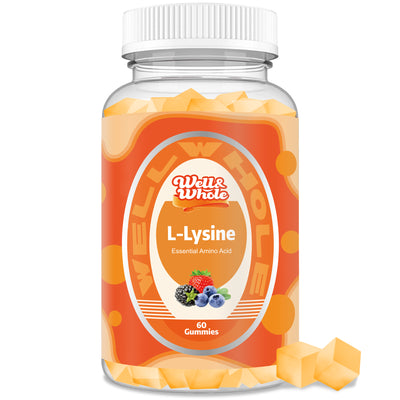
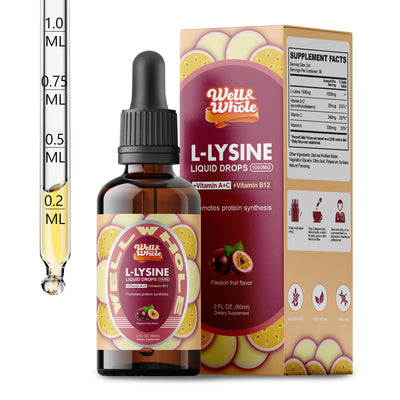
Putting it simply: if this is something you want to add to your routine, our L-Lysine 1000mg Essential Amino Acid Supplement Gummies for Kids and Adults and L-Lysine Supplement Liquid Drops 1000mg are a good place to start. The wider L-lysine collection is worth a look, and the Amino Acids range covers related formats.
These statements have not been evaluated by the Food and Drug Administration. This product is not intended to diagnose, treat, cure, or prevent any disease.