How Many Grams of Essential Amino Acids Per Day You Need
Learn how many grams of essential amino acids per day you need plus EAA charts food sources and dosing for optimal muscle and health

What Are Essential Amino Acids (EAAs) and Why Do Grams Matter?
When you track your nutrition, you might focus entirely on your total protein intake. But your body doesn't actually absorb protein as a whole unit; it breaks it down into individual building blocks called amino acids. Out of the 20 amino acids your body needs, nine are classified as essential.
Understanding how many grams of essential amino acids per day you consume is the real secret to unlocking muscle recovery, cellular repair, and daily energy. If your diet lacks the right amount of these specific grams, your body cannot function at its peak, no matter how much total protein you eat.
The 9 Essential Amino Acids
Your body cannot synthesize these nine nutrients on its own, meaning they must come directly from your food or supplementation.
- Leucine, Isoleucine, and Valine: The famous branched-chain amino acids (BCAAs) that ignite muscle protein synthesis.
- Lysine and Threonine: Crucial for immune function, collagen production, and tissue repair.
- Methionine and Phenylalanine: Essential for metabolism, detoxification, and brain health.
- Tryptophan and Histidine: Precursors for vital neurotransmitters and red blood cell production.
Total Protein vs. EAA Profiles
Looking only at total protein grams can be incredibly misleading. A scoop of low-quality protein or a handful of nuts might show a high total protein number on the nutrition label, but its amino acid profile per gram of protein could be incomplete.
To trigger muscle growth and recovery, your body requires a specific muscle protein synthesis threshold, which relies heavily on the concentration of EAAs—particularly leucine. For optimal wellness, we must focus on the quality and density of the amino acids, not just the bulk weight of the protein.
The Concept of Nitrogen Balance
Achieving an optimal nitrogen balance nutrition status is the ultimate goal for muscle preservation and growth. Nitrogen is a fundamental component of amino acids.
- Positive Nitrogen Balance: Your body is consuming more nitrogen than it loses, meaning you have an adequate essential amino acid daily requirement to build and repair muscle.
- Negative Nitrogen Balance: Your body is excreting more nitrogen than it takes in, leading to muscle wasting, fatigue, and stalled recovery.
By monitoring the exact grams of EAAs you consume, we ensure your body stays in a positive, anabolic state for daily health and peak physical performance.
The Exact Breakdown: How Many Grams of EAAs Do You Need Per Day?
Determining exactly how many grams of essential amino acids per day your body requires comes down to basic biology and your total body weight. Unlike non-essential aminos, your body cannot manufacture these nine compounds on its own. To maintain health, prevent muscle wasting, and support metabolic function, you must hit a specific essential amino acid daily requirement.
The Baseline WHO/FAO Standard
The World Health Organization (WHO) and the Food and Agriculture Organization (FAO) have established a clear milligrams per kilogram amino acid calculator for healthy adults. The baseline recommendation sits at roughly 180 milligrams of total essential amino acids per kilogram of body weight each day. For a standard 70 kg (approx. 154 lbs) adult, this translates to a bare minimum baseline of around 12.6 grams of pure EAAs daily just to avoid deficiency and maintain a proper nitrogen balance nutrition profile.
The Individual EAA Daily Blueprint Table
To see how this breaks down by individual nutrient, the standard daily requirements for a typical adult are outlined below. This chart details the specific leucine daily requirement in grams alongside the other eight critical aminos.
| Essential Amino Acid | WHO/FAO Requirement (mg per kg of body weight) | Daily Grams for a 70kg (154 lbs) Adult |
|---|---|---|
| Leucine | 39 mg | 2.73 g |
| Lysine | 30 mg | 2.10 g |
| Isoleucine | 20 mg | 1.40 g |
| Valine | 26 mg | 1.82 g |
| Threonine | 15 mg | 1.05 g |
| Phenylalanine | 25 mg | 1.75 g |
| Methionine | 15 mg | 1.05 g |
| Histidine | 10 mg | 0.70 g |
| Tryptophan | 4 mg | 0.28 g |
The Total Sum
When you tally up the baseline numbers from the nine essential amino acids chart, the absolute minimum daily intake sits between 12 and 15 grams for sedentary individuals. However, if your goal is achieving the optimal muscle protein synthesis threshold, standard diet baselines fall short.
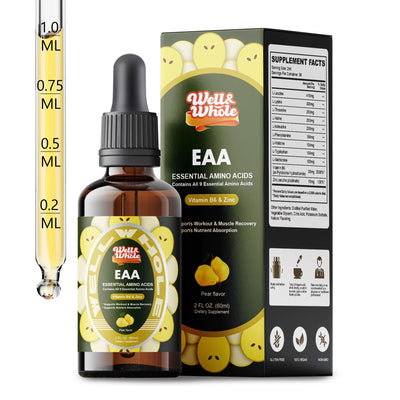
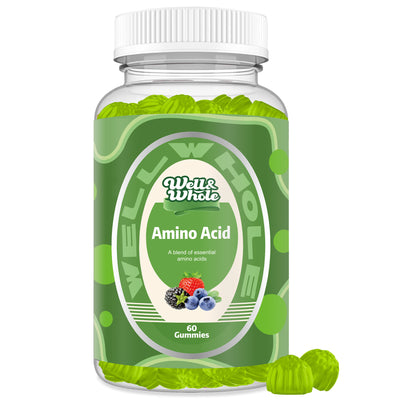
Active individuals typically need to double these numbers. To simplify your daily routine and bridge this nutritional gap, incorporating high-quality essential amino acid EAA liquid or convenient EAA gummies ensures you deliver these precise, rapidly absorbing grams directly to your muscles without the digestive stress of heavy whole-food proteins. For peak physical performance and recovery, aiming for 20 to 30 total grams of well-timed EAAs per day yields the best results.
Factor Variables: Who Needs More EAA Grams?
The baseline numbers for how many grams of essential amino acids per day you need are just a starting point. Daily requirements shift based on your lifestyle, age, and fitness goals. One-size-fits-all nutrition doesn't work when your body is under metabolic stress or working toward specific performance targets.
The Active Fitness Enthusiast & Athlete
If you hit the gym regularly or train for endurance, your demand for EAAs skyrockets. Intense training damages muscle fibers, which triggers the need for rapid repair.
- Muscle Protein Synthesis Threshold: To effectively trigger muscle repair, athletes need a higher concentration of amino acids, particularly leucine, to hit the metabolic trigger for muscle growth.
- BCAAs vs EAAs Dosage: While branched-chain amino acids (BCAAs) are popular, athletes need all nine essential amino acids to fully rebuild muscle tissue. Relying only on BCAAs without the other six EAAs limits recovery.
- Optimal Amino Acid Ratio for Muscle Growth: Active individuals should aim for a higher daily intake to maintain a positive nitrogen balance and prevent muscle wasting during heavy training blocks.
The Healthy Aging Population
As the body ages, it becomes less efficient at processing dietary protein. This condition, known as anabolic resistance, means older adults require more high-quality protein to achieve the same muscle-building signals as younger individuals.
- Sarcopenia Protein Requirements: Preventative nutrition is crucial to combat sarcopenia, the natural loss of muscle mass and strength due to aging.
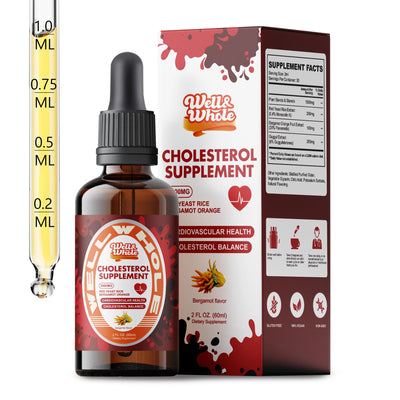
- Bioavailability Matters: Ensuring a higher intake of essential amino acids daily requirement metrics helps older adults maintain independence, bone density, and metabolic health. Overall wellness also relies on foundational health systems, meaning routines that support metabolic efficiency and cellular health—much like keeping an eye on cardiovascular wellness through targeted cholesterol support liquid drops—become increasingly important with age.
Weight Loss and Caloric Restriction
When you are in a calorie deficit to lose body fat, your body naturally looks for alternative energy sources, which can include your hard-earned muscle tissue.
- Nitrogen Balance Nutrition: Increasing your daily EAA grams while cutting calories shields your muscles from being broken down for fuel.
- Protecting Metabolic Rate: Keeping your EAA intake high ensures that the weight you lose comes from fat stores rather than lean muscle mass, keeping your metabolism running efficiently.
How to Meet Your Daily EAA Targets: Food vs. Supplements
Hitting your target grams of essential amino acids per day comes down to a choice between whole foods and targeted supplementation. Both avenues play a specific role in optimizing your amino acid profile per gram of protein consumed.
The Whole-Food Blueprint
For most people, the foundation of daily amino acid intake should come from whole, nutrient-dense foods. Animal proteins are naturally complete protein sources, meaning they contain all nine essential amino acids in the ideal ratios for human biology.
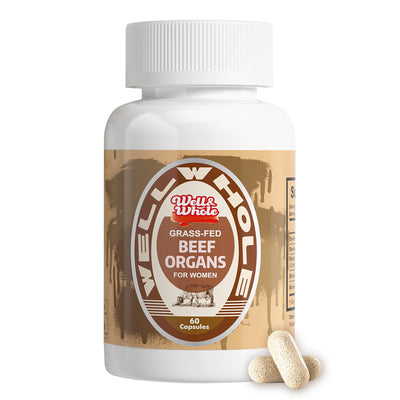
- Animal Proteins: Beef, poultry, fish, eggs, and dairy provide a highly bioavailable complete protein sources list that makes hitting your daily leucine requirement in grams incredibly simple. To naturally pack your diet with bioavailable amino acids and micronutrients, incorporating real food options like a grassfed beef organ supplement can easily bridge the gap.
- Plant-Based Options: If you rely on a plant-based essential amino acids daily intake, you must combine different foods (like rice and beans) to achieve a complete profile, as most plant sources are limiting in one or more EAAs.
The Role of EAA Supplements
While whole foods should always come first, free-form amino acid supplements dosage offers a distinct, fast-absorbing advantage.
- Speed of Absorption: Free-form EAAs do not require digestion. They bypass the liver and enter the bloodstream rapidly, triggering the muscle protein synthesis threshold much faster than a steak or a protein shake.
- Caloric Efficiency: EAA supplements provide the exact essential amino acid daily requirement without the extra calories from fats or carbohydrates found in whole foods.
- BCAAs vs EAAs Dosage: Unlike standard BCAA powders that only contain three amino acids, a full EAA supplement ensures your body has all nine building blocks necessary to actually build and repair tissue.
well&whole's Practical Action Plan for Daily Optimization
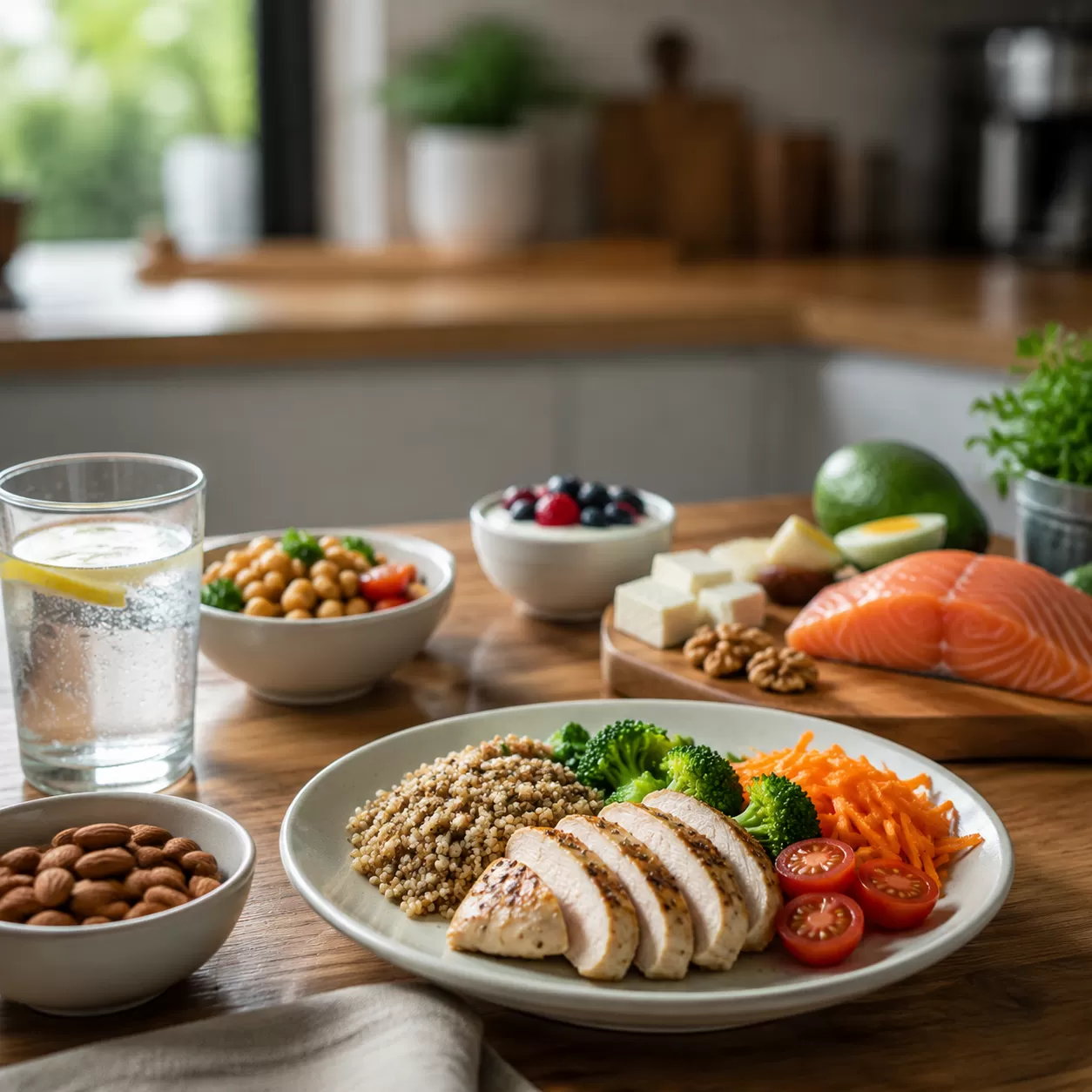
Hitting your ideal target of how many grams of essential amino acids per day doesn't have to involve complex math or constant tracking. We have simplified the process into a streamlined blueprint designed to trigger maximum muscle protein synthesis threshold levels and support overall metabolic health.
The 30-Gram Protein Rule
The easiest way to secure your daily requirement of essential amino acids is to anchor your meals around the 30-gram protein rule.
- The Baseline: Aim for at least 30 grams of high-quality protein per meal, spread across 3 to 4 meals daily.
- The Leucine Trigger: This specific volume ensures you hit the critical leucine daily requirement in grams (roughly 2.5 to 3 grams of leucine per serving) needed to turn on muscle repair mechanisms.
- Nutrient-Dense Foundations: Focus on a complete protein sources list like wild-caught fish, pasture-raised poultry, and clean grass-fed meats. For a foundational health boost that pairs perfectly with a clean diet, incorporating nutrient-dense whole foods like our grass-fed beef organ gummies for women provides natural, bioavailable cofactors that support overall vitality and metabolic efficiency.
Timing Metrics
Spacing your intake correctly optimizes protein bioavailability and absorption, keeping your body in a positive nitrogen balance nutrition state throughout the day.
- Morning Refuel: Consume your first 30-gram protein portion within 1 to 2 hours of waking up to break the overnight fasted state.
- The Post-Workout Window: Consume an optimal amino acid ratio for muscle growth within 45 minutes after resistance training. This is when your muscles are most receptive to free-form amino acid supplements dosage or fast-digesting whole proteins.
- Pre-Bed Protection: A final, smaller protein or EAA pulse before sleep prevents nighttime muscle breakdown and assists in deep recovery.
FAQs: Common Questions About Daily Amino Acid Intake
Can you take too many essential amino acids per day?
Yes, you can overdo it. While your body constantly utilizes amino acids for tissue repair, consuming an excessive amount of grams of essential amino acids per day wastes money and strains your system. Your body cannot store surplus aminos; it breaks them down, converts them to energy or fat, and excretes the nitrogen byproduct as urea. Stick to your calculated target based on your body weight to avoid unnecessary digestive discomfort and metabolic waste.
How many grams of EAAs should I take post-workout?
To optimally trigger muscle protein synthesis threshold mechanics after training, aim for 10 to 15 grams of EAAs within your post-workout window. This specific dosage ensures you get the critical 3 grams of leucine required to flip the muscle-building switch. If you struggle to hit your daily targets through whole food alone, highly targeted options like L-Lysine essential amino acid supplement gummies can help round out your daily blueprint and support immune recovery alongside your post-workout regimen.
Do plant-based diets provide enough grams of essential amino acids?
You can absolutely hit your target grams of essential amino acids per day on a plant-based diet, but it requires more strategy. Most plant proteins are "incomplete," meaning they are low in one or more specific aminos. To secure a complete protein sources list naturally, mix and match your sources throughout the day—like pairing beans with rice or eating quinoa and soy. Because of lower protein bioavailability and absorption rates in plants, vegan fitness enthusiasts often need to consume about 10% to 20% more total protein overall to match the nitrogen balance nutrition of an animal-based diet.
Related supplements
If you're ready to put this into practice, our EAA Gummie 60 counts Essential Amino Acids Supplement Gummies for Men and Women and Essential Amino Acid (EAA) Liquid Drops & Liver Support Liquid Supplement are formulated with this in mind. You can also compare the Amino Acids and Muscle Support ranges to find the format that suits you.
These statements have not been evaluated by the Food and Drug Administration. This product is not intended to diagnose, treat, cure, or prevent any disease.