How Magnesium Supports the Sleep Cycle

Magnesium supports sleep through several interconnected mechanisms: it activates the parasympathetic nervous system (the "rest and digest" branch), regulates GABA (your brain's primary calming neurotransmitter), reduces cortisol and physically relaxes muscle tissue. Together these actions smooth the runway into sleep rather than forcing it.
Key Takeaways
- Sleep-support supplements commonly combine magnesium, glycine, L-theanine, apigenin, or melatonin to fit different wind-down preferences.
- They work best alongside consistent sleep timing, a dark cool room, and limited late screen time.
- Choose the format and ingredient that match your goal, and consult a professional if you take sleep or anxiety medication.
Magnesium is not a sedative. It removes barriers to falling asleep and staying asleep by calming the nervous system and relaxing muscle tension, which is why it pairs well with consistent sleep hygiene rather than replacing it.
The magnesium-sleep connection is multi-pathway
Sleep is not switched on by a single lever. Magnesium touches at least four points in the process: nervous system tone, hormone balance, muscle relaxation and circadian rhythm stability. Understanding each explains why magnesium helps some people dramatically and others modestly — the limiting factor varies by person.
GABA activation
GABA (gamma-aminobutyric acid) is the brain's main inhibitory neurotransmitter. When GABA binds to its receptors, neural firing slows and calmness rises. Magnesium binds to the GABA-A receptor at a site that enhances GABA's effect, essentially turning up the volume on your brain's own chill signal. This is the same receptor class that benzodiazepines target, but magnesium does so gently and without the dependency risk.
Cortisol regulation
Cortisol follows a diurnal curve: high in the morning to wake you, low at night to let you sleep. Chronic stress flattens or inverts this curve, leaving cortisol elevated when it should drop. Magnesium has been shown in multiple studies to help normalize the cortisol rhythm, particularly when taken in the evening, which may explain part of its sleep benefit for stressed individuals.
Muscle relaxation
Magnesium acts as a natural calcium channel blocker in muscle cells. Calcium triggers contraction; magnesium counterbalances it by promoting relaxation. People with restless legs, nighttime cramps or jaw tension often notice the muscular relaxation effect before anything else, sometimes within days of starting supplementation.
Melatonin interaction
Magnesium does not produce melatonin, but some research suggests it may support the enzyme pathways involved in melatonin synthesis. More practically, magnesium and melatonin address different parts of the problem: magnesium calms the body and nervous system, while melatonin signals the timing of sleep. Using both targets the transition from two angles.
Which form of magnesium for sleep?
- Bisglycinate: Gentle on the gut, well-absorbed, the most common choice for sleep formulas. Glycinate itself adds a secondary calming effect.
- Taurate: Adds taurine for cardiovascular and GABA-modulating effects; chosen when heart health is also a goal.
- Citrate: Well-absorbed but more likely to cause loose stools at higher doses.
- Oxide: Poorly absorbed, mostly acts as a laxative. Not recommended for sleep-specific use.
Timing and dose
Most sleep-focused protocols suggest 200–400 mg of elemental magnesium taken 30–60 minutes before bed. Splitting the dose (half with dinner, half before bed) can reduce any potential digestive sensitivity while maintaining evening coverage. Consistency across nights matters more than any single large dose.
Who notices the biggest difference
People with high baseline stress, physical tension, poor mineral intake from diet, or disrupted sleep schedules tend to respond most noticeably. Someone who already eats magnesium-rich foods, manages stress well and sleeps soundly may feel little additional benefit — which does not mean the supplement is ineffective, only that the marginal gain is smaller when the baseline is already good.
Key takeaways
- Magnesium activates GABA receptors, lowers cortisol and relaxes muscles.
- It smooths the transition into sleep rather than acting as a sedative.
- Bisglycinate is the preferred form for sleep due to gentle absorption.
- Evening doses of 200–400 mg elemental magnesium are typical.
- Stressed, tense or mineral-deficient individuals usually notice the strongest effects.
Frequently asked questions
Will magnesium put me to sleep instantly?
No. It is not a sleeping pill. Most people notice gradual improvement in ease of falling asleep, sleep depth and morning muscle comfort over days to weeks of consistent use.
Can I take it with other sleep supplements?
Yes, magnesium combines safely with melatonin, apigenin, L-theanine and other calming nutrients. In fact, many formulated sleep products intentionally stack these ingredients.
Does magnesium cause vivid dreams?
Some users report more vivid or memorable dreams, possibly due to deeper REM sleep. This is harmless and tends to normalize after an adjustment period.
Should I take magnesium every night?
For ongoing sleep support, nightly use is common and generally safe at appropriate doses. Occasional use around stressful periods is also reasonable if nightly supplementation is not desired.
Related supplements
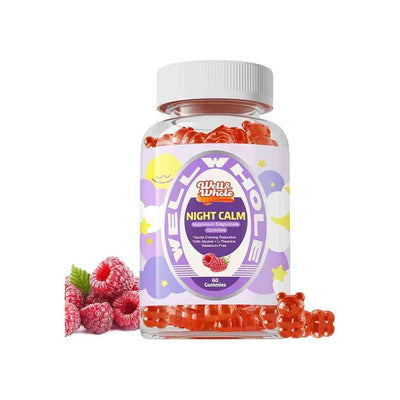
Where to begin? Our Magnesium Bisglycinate Gummies with Apigenin & B6, Melatonin Free, 60 Ct | Gentle on Stomach, Chelated with Glycine, Night Calm Routine and Sleep & Calm Support Bundle are a sensible place to start, and the Sleep Support collection lays out the other formats side by side with Magnesium.
These statements have not been evaluated by the Food and Drug Administration. This product is not intended to diagnose, treat, cure, or prevent any disease. Talk to a healthcare professional before starting any new supplement, especially if you are pregnant, nursing, taking medication, or managing a health condition.
Common ingredients in sleep-support routines
Magnesium and glycine are associated with normal muscle relaxation; L-theanine and apigenin are studied for calm; melatonin is involved in the body's normal sleep-wake cycle.
Different products emphasize different ingredients, so matching the formula to your goal—falling asleep, staying asleep, or overall calm—helps.
How sleep supplements are commonly used
Most are taken 30–60 minutes before bed as part of a consistent wind-down routine. Gummies and liquids are popular for ease of use.
They are support tools, not substitutes for sleep hygiene such as a regular schedule and a screen-free wind-down.
Who might be interested
Adults with irregular schedules, travelers, or anyone building a calmer evening routine may explore them.
People on sleep or anxiety medication should check interactions with a healthcare professional first.
How to choose a quality sleep supplement
Match the active ingredients to your need, verify the labeled amount, and prefer third-party-tested products with transparent sourcing.
This article is for general wellness education and is not intended to diagnose, treat, cure, or prevent any condition. Individual needs vary—always review product labels and consult a qualified healthcare professional before starting any new supplement.
These statements have not been evaluated by the Food and Drug Administration. This product is not intended to diagnose, treat, cure, or prevent any disease.