How Do Dietary Sources of Lysine Compare to Gummy Supplements?
Lysine is an essential amino acid, which means your body cannot make it on its own. You need to get it from foods, supplements, or a combination of both. It plays an important role in normal protein synthesis, collagen production, tissue repair, and overall wellness support.

Lysine is an essential amino acid, which means your body cannot make it on its own. You need to get it from foods, supplements, or a combination of both. It plays an important role in normal protein synthesis, collagen production, tissue repair, and overall wellness support.
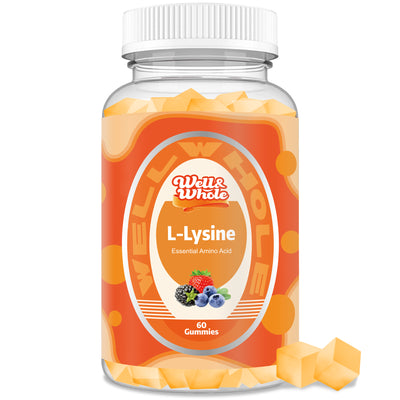
For many people, lysine comes naturally from protein-rich foods such as chicken, beef, fish, eggs, dairy, soy, beans, and lentils. But for others, especially those with busy routines, limited diets, picky eating habits, or difficulty swallowing capsules, a convenient option like well&whole L-Lysine Gummies may help fill daily nutrition gaps.
So how do dietary sources of lysine compare to gummy supplements? The answer depends on your diet, lifestyle, and wellness goals.
Quick Answer: Food First, Gummies for Convenient Support
Dietary lysine should ideally come from a balanced, protein-rich diet. Whole foods provide lysine along with complete protein, vitamins, minerals, and other amino acids. However, lysine gummy supplements can be a practical option for people who want a simple, tasty, and consistent way to support their daily lysine intake.
well&whole L-Lysine Gummies are designed for kids and adults who prefer a chewable supplement format over pills, powders, or capsules. Each serving provides L-lysine in a convenient gummy form, making it easier to build lysine into a daily wellness routine.

Food Sources vs. well&whole L-Lysine Gummies
| Category | Dietary Sources of Lysine | well&whole L-Lysine Gummies |
|---|---|---|
| Main role | Provides lysine as part of whole-food protein | Provides supplemental L-lysine in a convenient gummy format |
| Best for | People who eat enough protein-rich foods daily | People who want easy, consistent lysine support |
| Nutrient profile | Includes protein, vitamins, minerals, fats, and other amino acids | Focused lysine support, often easier to take than capsules |
| Convenience | Requires meal planning, cooking, and regular protein intake | Easy to chew and simple to add to a daily routine |
| Taste experience | Depends on food preferences | Gummy format is more enjoyable for many users |
| Ideal user | Balanced eaters, athletes, high-protein diets | Busy adults, picky eaters, capsule-avoiders, families |
| Limitation | Harder for low-protein or restrictive diets | Does not replace complete dietary protein |
| Best use | Foundation of daily lysine intake | Supplemental support alongside a balanced diet |
What Is Lysine?
Lysine, also called L-lysine, is one of the essential amino acids your body needs for everyday function. Since your body cannot produce lysine by itself, you need to get it from your diet.
Lysine helps support:
-
Normal protein synthesis
-
Collagen formation
-
Skin and tissue maintenance
-
Muscle repair and recovery
-
Immune system wellness
-
General daily nutrition balance
Because lysine is closely connected with protein intake, people who eat enough high-quality protein usually get lysine naturally. But people with limited diets may find it harder to get enough every day.
Best Dietary Sources of Lysine
Animal-based protein foods are generally rich sources of lysine. Some plant-based foods also provide lysine, especially legumes and soy foods.
| Food Source | Lysine Level | Why It Helps |
|---|---|---|
| Chicken breast | Very high | Lean complete protein |
| Beef | Very high | Rich in protein, iron, zinc, and amino acids |
| Tuna or salmon | Very high | Provides lysine plus omega-3 fats |
| Eggs | Moderate | Easy complete protein source |
| Greek yogurt | Moderate to high | Provides dairy protein and calcium |
| Cottage cheese | High | Protein-dense and easy to add to meals |
| Tofu | Moderate to high | Strong plant-based lysine source |
| Tempeh | Moderate to high | Fermented soy protein option |
| Lentils | Moderate | Plant-based lysine plus fiber |
| Beans | Moderate | Affordable lysine-containing plant protein |
| Quinoa | Moderate | More balanced amino acid profile than many grains |
Why Food Should Be the Foundation
Whole foods do more than provide lysine. They also provide the full nutritional package your body needs to function well. For example, salmon provides lysine along with protein and healthy fats. Greek yogurt provides lysine, protein, calcium, and probiotics. Lentils provide lysine, fiber, minerals, and plant-based carbohydrates.
That is why lysine gummies should not be viewed as a replacement for meals. Instead, they are best used as a convenient supplement to support a balanced lifestyle.
Where well&whole L-Lysine Gummies Fit In
well&whole L-Lysine Gummies are designed for people who want lysine support in a simple, enjoyable format. Instead of swallowing large tablets or mixing powders, gummies make supplementation easier and more consistent.
They may be especially helpful for:
-
Adults who dislike swallowing capsules
-
Kids or teens who prefer chewable supplements
-
People with busy schedules
-
Picky eaters with limited protein variety
-
People following restrictive diets
-
Anyone looking for a simple daily amino acid supplement
The key advantage is consistency. A lysine-rich diet is ideal, but not everyone eats perfectly every day. Gummies can help make daily lysine support easier to remember and easier to follow.

Dietary Lysine vs. Gummy Lysine: Which One Is Better?
Neither option is automatically better for everyone. Food and supplements serve different purposes.
| Goal | Better Option | Reason |
|---|---|---|
| Build overall diet quality | Food | Whole foods provide more complete nutrition |
| Increase total protein intake | Food | Gummies do not provide meaningful dietary protein |
| Support a busy daily routine | Gummies | Easier and faster than preparing meals |
| Avoid swallowing pills | Gummies | Chewable format is more user-friendly |
| Follow a plant-based diet | Food + supplement if needed | Legumes and soy help, but planning matters |
| Add targeted lysine support | Gummies | Provides focused L-lysine intake |
| Support kids or picky eaters | Gummies may help | Taste and texture can improve consistency |
| Replace meals | Food only | Supplements should not replace balanced meals |
When Food Sources May Be Enough
You may not need a lysine supplement if your diet already includes several lysine-rich foods each day.
For example, a person who regularly eats eggs, Greek yogurt, chicken, fish, turkey, beef, cottage cheese, tofu, beans, or lentils is likely getting lysine through meals.

A food-first lysine day might look like this:
| Meal | Lysine-Friendly Example |
|---|---|
| Breakfast | Greek yogurt with berries and nuts |
| Lunch | Chicken salad or turkey wrap |
| Snack | Cottage cheese or boiled eggs |
| Dinner | Salmon with quinoa and vegetables |
For a plant-based version:
| Meal | Lysine-Friendly Example |
|---|---|
| Breakfast | Soy yogurt or tofu scramble |
| Lunch | Lentil soup with quinoa |
| Snack | Edamame or roasted chickpeas |
| Dinner | Tempeh stir-fry with beans and vegetables |
When well&whole L-Lysine Gummies May Make Sense
well&whole L-Lysine Gummies may be a good fit when convenience is the main challenge.
You might consider lysine gummies if:
-
You do not consistently eat protein-rich meals
-
You want a simple daily amino acid supplement
-
You dislike capsules, tablets, or powders
-
You are building a skin, collagen, or wellness support routine
-
You want a family-friendly gummy format
-
You prefer a supplement that is easy to take at home, work, or while traveling
The goal is not to replace lysine-rich foods. The goal is to make lysine support easier on days when your diet may not be ideal.
well&whole L-Lysine Gummies vs. Capsules, Powders, and Food
| Format | Pros | Cons | Best For |
|---|---|---|---|
| Food | Complete nutrition, natural protein, balanced amino acids | Requires planning and preparation | Daily foundation |
| Capsules | Often higher dose, low sugar | Hard to swallow for some people | Adults comfortable with pills |
| Powders | Flexible serving size | Taste and mixing can be inconvenient | Smoothie or shake users |
| Gummies | Easy, tasty, chewable, routine-friendly | May contain sweeteners or lower dose than capsules | Kids, adults, busy routines, capsule-avoiders |
How to Use Lysine Gummies in a Daily Routine
For best results, use lysine gummies as part of a balanced wellness routine rather than as a stand-alone solution.
A simple approach:
-
Eat protein-rich foods regularly.
-
Use well&whole L-Lysine Gummies as supplemental support.
-
Stay consistent with your daily routine.
-
Read the serving instructions on the product label.
-
Speak with a healthcare professional if you are pregnant, nursing, managing a health condition, or taking medication.
What to Look for in a Lysine Gummy
When choosing a lysine gummy, pay attention to more than the front label.
| What to Check | Why It Matters |
|---|---|
| L-lysine amount per serving | Helps you understand daily intake |
| Serving size | Some gummies require multiple pieces |
| Added sugar | Important for daily use |
| Flavor and texture | Affects consistency |
| Age guidance | Important for family use |
| Other ingredients | Helps avoid allergens or unwanted additives |
| Brand transparency | Clear labeling builds trust |
| Claim language | Avoid products that promise to cure or treat disease |
well&whole L-Lysine Gummies are positioned as an easy daily amino acid supplement for kids and adults, making them a practical choice for people who want lysine support without capsules.
Are Lysine Gummies Safe?
Lysine is commonly used as a dietary supplement, and it is generally well tolerated at typical supplemental amounts. However, more is not always better. High intakes may cause digestive discomfort in some people, such as nausea, stomachache, or diarrhea.
Dietary supplements are not meant to diagnose, treat, cure, or prevent disease. If you have kidney disease, liver disease, are pregnant or breastfeeding, or take medications, ask a healthcare professional before using lysine supplements.
Can Lysine Gummies Help With Cold Sores?
Lysine is often discussed in relation to lip health and cold sore support, but the research is mixed. Because dietary supplements cannot claim to treat or cure cold sores, it is better to describe lysine as an essential amino acid that supports general wellness, collagen production, skin health, and immune system function.
A responsible way to describe well&whole L-Lysine Gummies is:
“well&whole L-Lysine Gummies provide convenient daily lysine support for skin, collagen, immune wellness, and overall amino acid balance.”
Final Verdict: Should You Choose Food or well&whole L-Lysine Gummies?
The best approach is not food versus gummies. It is food first, gummies when needed.
Dietary sources should be your foundation because they provide lysine along with complete nutrition. But well&whole L-Lysine Gummies can be a smart addition for people who want an easy, chewable, and consistent way to support daily lysine intake.
Best Use Strategy
| Step | Recommendation |
|---|---|
| 1 | Build your diet around protein-rich foods |
| 2 | Include lysine-rich foods such as poultry, fish, dairy, soy, beans, and lentils |
| 3 | Use well&whole L-Lysine Gummies for convenient daily support |
| 4 | Stay consistent instead of relying on occasional high intake |
| 5 | Choose responsible supplement language and avoid disease-treatment expectations |
FAQ
Are well&whole L-Lysine Gummies better than food sources of lysine?
Not exactly. Food should be the foundation because it provides complete nutrition. well&whole L-Lysine Gummies are best used as a convenient supplement to support daily lysine intake.
Can I take lysine gummies if I already eat lysine-rich foods?
Yes, but your total intake matters. If you already eat a high-protein diet, you may not need extra lysine every day. Follow the product label and ask a healthcare professional if you are unsure.
Who are well&whole L-Lysine Gummies best for?
They are a good option for adults, kids, picky eaters, busy people, and anyone who prefers gummies over capsules or powders.
Do lysine gummies replace protein?
No. Lysine gummies provide supplemental lysine, but they do not replace the full protein and nutrients found in foods such as meat, fish, eggs, dairy, soy, beans, and lentils.
Are lysine gummies good for plant-based diets?
They can be helpful for people following plant-forward or restrictive diets, especially when protein variety is limited. Plant-based eaters should still prioritize soy foods, legumes, lentils, beans, and other protein-rich foods.
What is the best time to take well&whole L-Lysine Gummies?
Follow the directions on the product label. Many people prefer taking gummies at the same time each day to build consistency.
Can kids take well&whole L-Lysine Gummies?
well&whole L-Lysine Gummies are positioned for kids and adults, but parents should always follow the product label and consult a pediatrician if the child has a health condition or takes medication.
Are lysine gummies FDA-approved?
Dietary supplements are not FDA-approved for safety and effectiveness before they are marketed. Choose reputable brands, read labels carefully, and use supplements responsibly.
Conclusion
Dietary lysine and lysine gummies are not competitors. They work best together.
Protein-rich foods should provide the foundation of your lysine intake, while well&whole L-Lysine Gummies can offer convenient daily support when your routine, diet, or preferences make it difficult to stay consistent.
For people who want an easy, chewable, and family-friendly amino acid supplement, well&whole L-Lysine Gummies are a practical way to support everyday wellness without relying on capsules or powders.
These statements have not been evaluated by the Food and Drug Administration. This product is not intended to diagnose, treat, cure, or prevent any disease.