How Are Essential Amino Acids Made?

How Are Essential Amino Acids Made?
When you hear the phrase “essential amino acids,” you might wonder how they are actually produced—both in nature and in industrial settings. The short answer is that human bodies cannot make these nine critical compounds on their own. They must come from food or supplements. But if we do not produce them, where do they come from? This article will walk you through the biological reality, the manufacturing process of amino acid supplements, and how well&whole provides high-quality options to fill dietary gaps.
What Are Essential Amino Acids and Why Can’t We Make Them?
Essential amino acids are the building blocks of protein that your body cannot synthesize internally. According to the World Health Organization (WHO), there are nine essential amino acids: histidine, isoleucine, leucine, lysine, methionine, phenylalanine, threonine, tryptophan, and valine. Unlike non-essential amino acids, which your cells can construct from other compounds, these nine must be obtained through diet or supplementation because humans lack the necessary metabolic pathways.
For example, the pathway to synthesize lysine is absent in mammals. Similarly, tryptophan production requires enzymes that do not exist in human tissues. This biological limitation is why dietary intake is non-negotiable. A 2019 review in Nutrients confirmed that inadequate intake of any essential amino acid can impair muscle protein synthesis, immune function, and neurotransmitter balance.
Summary: Essential amino acids are not made by the human body; they are exclusively acquired from external sources. This fundamental fact drives the need for careful dietary planning and, when necessary, supplementation.
How Are Essential Amino Acids Made Industrially?
Since we cannot make them ourselves, the supplement industry relies on fermentation technology to produce essential amino acids at scale. The most common method is microbial fermentation, where bacteria like Corynebacterium glutamicum are engineered to overproduce specific amino acids. For example, L-lysine is produced by feeding these bacteria a sugar source (often corn or sugarcane) in large stainless-steel tanks. After fermentation, the amino acid is extracted, purified, and dried into a powder.
Another method is enzymatic conversion, which uses isolated enzymes to transform precursor molecules into the desired amino acid. This technique is often used for L-tryptophan and L-threonine. Importantly, the resulting products are chemically identical to those found in food—your body cannot tell the difference.
According to a 2021 market report by Grand View Research, the global amino acid market was valued at over $25 billion, with fermentation accounting for more than 70% of production capacity. This industrial process ensures that supplements like those from well&whole deliver pure, consistent doses of essential amino acids without contaminants.
Summary: Most commercial essential amino acids are produced via microbial fermentation, a reliable and scalable process that mirrors natural compounds. This manufacturing method guarantees purity and bioavailability.
How to Get Essential Amino Acids from Diet and Supplements
For those aiming to meet their amino acid needs through food, the best sources are animal-based proteins: eggs, meat, poultry, fish, and dairy all contain complete profiles. However, plant-based diets can also provide all nine essential amino acids if you combine complementary proteins—for example, rice and beans, or hummus and whole-wheat pita. The Academy of Nutrition and Dietetics states that a varied plant-based diet can meet all amino acid requirements, but careful planning is needed.
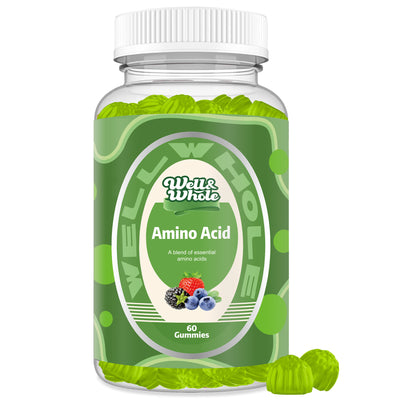
Yet many individuals struggle to consume enough high-quality protein daily—especially athletes, older adults, or those with restricted diets. This is where essential amino acid supplements become valuable. By taking a precisely formulated blend, you skip the guesswork. well&whole offers a balanced essential amino acid powder that delivers all nine in optimal ratios, backed by third-party testing for purity.
A 2020 study in the Journal of the International Society of Sports Nutrition found that supplementation with essential amino acids before or after exercise significantly improved muscle recovery compared to protein alone. This makes a strong case for including a high-quality supplement in your routine.
Summary: While whole foods remain the foundation, supplements offer a convenient and reliable way to ensure adequate intake of essential amino acids, especially for specific populations or busy lifestyles.
Why Choose well&whole for Your Essential Amino Acids?
As a trusted name in the dietary supplement trade, well&whole prioritizes quality from raw material sourcing to finished product. Our essential amino acids are manufactured using fermentation-derived ingredients that are non-GMO, gluten-free, and free from artificial additives. Every batch is analyzed by an independent laboratory to confirm potency and purity.
Whether you are an athlete looking to optimize performance or someone simply wanting to support daily health, our carefully measured blend ensures you receive the exact amounts recommended by leading health organizations. We also provide clear labeling so you know exactly what you are putting into your body.
Summary: well&whole combines industrial best practices with rigorous quality control to deliver essential amino acid supplements you can trust.
Longer-Tail Keywords for Further Reading
- essential amino acids production process
- how to get essential amino acids from diet
- best essential amino acids supplement
Frequently Asked Questions
1. Can the human body produce essential amino acids?
No. The term “essential” literally means the body cannot synthesize them. You must get them from food or supplements. The nine essential amino acids are histidine, isoleucine, leucine, lysine, methionine, phenylalanine, threonine, tryptophan, and valine.
2. What foods contain all essential amino acids?
Complete proteins—such as eggs, chicken, fish, beef, dairy, quinoa, and soy—contain all nine essential amino acids in adequate amounts. Plant-based eaters need to combine different sources (e.g., rice + beans) to achieve a complete profile.
3. How do I choose a good essential amino acid supplement?
Look for a product that lists all nine essential amino acids with clear amounts, is third-party tested (e.g., USP, NSF), and uses fermentation-derived ingredients. well&whole offers a transparent label and meets these criteria, ensuring you get a pure, effective product.
Note: Data references include the World Health Organization (WHO) protein and amino acid requirements (2007), the Nutrients review (2019, 11(3), 523), Grand View Research amino acid market report (2021), and the Journal of the International Society of Sports Nutrition (2020, 17, article 48).
These statements have not been evaluated by the Food and Drug Administration. This product is not intended to diagnose, treat, cure, or prevent any disease.