Histamine Intolerance Symptoms: Is Beef Kidney Right for You?
Not sure if histamine intolerance is causing your symptoms? Learn the signs, take our self-assessment, and discover if beef kidney DAO gummies may support your digestive wellness.

You've been to multiple doctors. You've tried elimination diets, probiotics, and various supplements. Your tests come back "normal." But after meals, you still experience symptoms that nobody can quite explain—bloating, flushing, headaches, congestion, or a racing heartbeat that seems to come out of nowhere.
If this sounds familiar, histamine intolerance may be worth investigating. This condition—characterized by the body's reduced capacity to break down histamine—can masquerade as IBS, food allergies, chronic fatigue, or "just stress." Understanding whether histamine intolerance might apply to you is the first step toward effective management.
In this article, we'll walk through the common symptoms of histamine intolerance, provide a self-assessment framework, and explain how beef kidney supplements like well&whole's Grass Fed Beef Kidney Gummies might fit into a histamine management plan.

Understanding Histamine Intolerance: A Quick Primer
Before diving into symptoms, let's clarify what's happening mechanistically:
- Your body produces DAO (diamine oxidase) enzyme, primarily in the intestinal lining
- DAO breaks down histamine from food, preventing it from entering your bloodstream
- When DAO activity is insufficient, dietary histamine passes through the gut barrier
- Accumulated histamine binds to receptors throughout the body
- The location of those receptors determines where you experience symptoms
This is why histamine intolerance can produce such diverse symptoms—histamine receptors exist in the gut, skin, blood vessels, respiratory system, and brain. The same underlying problem (insufficient DAO) can manifest in completely different ways in different people.
The Histamine Intolerance Symptom Checklist
If you regularly experience several symptoms from multiple categories below—especially if they occur after eating—histamine intolerance should be on your radar:
Digestive Symptoms
- Abdominal bloating (especially after meals)
- Gas and flatulence
- Diarrhea or loose stools
- Constipation
- Nausea after eating
- Abdominal cramping
- IBS-like patterns (alternating bowel habits)
Skin Symptoms
- Facial flushing (especially after eating)
- Hives (urticaria) without clear allergic trigger
- Itching without visible rash
- Eczema flares after certain foods
- Skin that flushes easily with alcohol
Respiratory & ENT Symptoms
- Nasal congestion after meals
- Runny nose while eating
- Sneezing without cold/allergy
- Post-nasal drip
- Sore or scratchy throat
- Sinus pressure
Cardiovascular Symptoms
- Racing heart (tachycardia) after meals
- Palpitations
- Blood pressure fluctuations
- Dizziness or lightheadedness
Neurological Symptoms
- Headaches or migraines (especially after eating)
- Brain fog after meals
- Fatigue after eating
- Difficulty concentrating
- Anxiety triggered by certain foods
- Sleep disturbances (histamine is involved in wakefulness)
Other Symptoms
- Irregular menstrual cycles
- Increased menstrual pain
- Temperature dysregulation
A 2019 study published in *Nutrients* found that gastrointestinal symptoms were the most commonly reported manifestation of histamine intolerance, followed by dermatological (skin) and neurological symptoms (Schnedl et al., 2019).
Self-Assessment: Is Histamine Intolerance Likely?
Score yourself on the following questions. The more "yes" answers, the more likely histamine intolerance may be contributing:
| **Question** | **Yes / No** |
|-------------|-------------|
| Do your symptoms appear or worsen after eating? | |
| Do you react to aged cheeses, wine, or fermented foods? | |
| Do leftover foods bother you more than freshly cooked meals? | |
| Does alcohol (especially red wine) trigger symptoms rapidly? | |
| Do you have digestive symptoms along with non-digestive symptoms? | |
| Have food allergy tests come back negative despite clear food reactions? | |
| Do you react to foods high in histamine but not to the same foods when very fresh? | |
| Do symptoms improve on days when you eat only freshly prepared meals? | |
| Do you also have gut health issues (IBS, SIBO, leaky gut)? | |
| Does antihistamine medication improve your symptoms at least partially? | |
Interpreting Your Score:
- **0-2 Yes**: Histamine intolerance is unlikely to be the primary issue
- **3-5 Yes**: Histamine intolerance is worth investigating
- **6-8 Yes**: Histamine intolerance is a strong possibility
- **9-10 Yes**: Histamine intolerance should be a top consideration
High-Histamine Foods: The Common Culprits
If your symptoms track with consumption of the following foods, histamine may be involved:
| **Category** | **High-Histamine Foods** | **Why They Contain Histamine** |
|-------------|--------------------------|-------------------------------|
| **Aged/Fermented Dairy** | Aged cheese, yogurt, kefir, sour cream | Bacterial fermentation produces histamine |
| **Fermented Foods** | Sauerkraut, kimchi, kombucha, miso, soy sauce | Fermentation bacteria produce histamine |
| **Cured/Aged Meats** | Salami, pepperoni, bacon, smoked fish | Aging process accumulates histamine |
| **Alcohol** | Red wine, beer, champagne | Fermentation + DAO inhibition |
| **Aged/Processed Fish** | Canned tuna, sardines, anchovies, smoked salmon | Bacterial histamine production during storage |
| **Certain Vegetables** | Tomatoes, spinach, eggplant | Contain natural histamine or trigger release |
| **Vinegar-Containing Foods** | Pickles, olives, salad dressings | Fermentation produces histamine |
The Beef Kidney Connection: Could It Help You?
Based on the mechanism of histamine intolerance, here's how beef kidney supplements may fit into the picture:
You May Benefit from Beef Kidney Gummies If:
- Your symptoms are primarily triggered by eating (dietary histamine is the issue)
- You have digestive involvement (the gut is where DAO works)
- You notice a pattern with high-histamine foods
- You're looking for a natural approach to support histamine metabolism
- You want to try DAO enzyme support before other interventions
Beef Kidney Gummies May NOT Be the Right Approach If:
- Your symptoms occur randomly regardless of food intake
- You've been diagnosed with MCAS (mast cell activation syndrome)—this is a different mechanism
- You have true IgE-mediated food allergies requiring strict avoidance
- Your symptoms are severe and require immediate medical evaluation
How well&whole's Beef Kidney Gummies Fit In
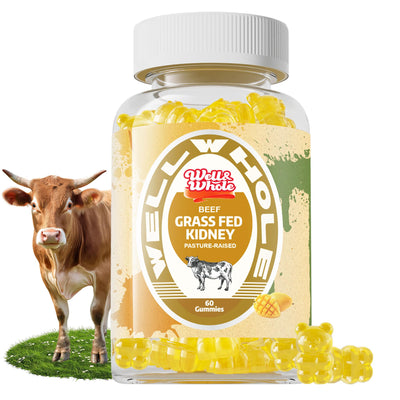
well&whole's Grass Fed Beef Kidney Gummies provide bovine kidney tissue from grass-fed New Zealand cattle. Kidney tissue naturally contains DAO enzyme, the same enzyme your body uses to break down histamine in the gut. By providing exogenous DAO at mealtime, these gummies may help support the body's dietary histamine management.

Next Steps If You Suspect Histamine Intolerance
Step 1: Track Your Symptoms
Keep a food and symptom diary for 7-14 days. Note what you eat, when symptoms occur, and the timing relative to meals. Look for patterns with high-histamine foods.
Step 2: Try a Low-Histamine Diet Trial
For 2-3 weeks, emphasize fresh, minimally processed foods. Cook meals fresh and freeze leftovers immediately. Avoid the highest-histamine foods (aged cheese, wine, fermented foods, cured meats). Note any symptom improvement.
Step 3: Consider Testing
Discuss DAO enzyme testing, AOC1 genetic testing, or other relevant assessments with a healthcare provider familiar with histamine intolerance.
Step 4: Explore Support Options
If dietary approaches help but aren't enough, consider DAO enzyme support. well&whole's Beef Kidney Gummies provide a natural source of DAO enzyme to support dietary histamine breakdown.
Step 5: Work with a Professional
Histamine intolerance can be complex. Working with a functional medicine practitioner, naturopath, or gastroenterologist familiar with the condition can help develop a personalized management plan.
FAQ
Q: How do I know if I have histamine intolerance or just food allergies?
A: Food allergies involve IgE antibodies to specific proteins and typically cause rapid, sometimes severe reactions. Histamine intolerance involves reduced histamine breakdown capacity, causing dose-dependent reactions where small amounts are tolerated but larger amounts trigger symptoms. Allergy testing can help differentiate.
Q: Can histamine intolerance develop suddenly?
A: Yes. Triggers can include gastrointestinal infections, new medications, gut microbiome changes, pregnancy/hormonal shifts, or a gradual tipping point where histamine accumulation finally exceeds a borderline DAO capacity.
Q: Why do I only react to certain high-histamine foods but not all?
A: Histamine intolerance is dose-dependent. You may tolerate small amounts of histamine but exceed your threshold with larger amounts or combinations of foods—this is the "histamine bucket" concept.
Q: Is there a definitive test for histamine intolerance?
A: No single definitive test exists. Diagnosis is typically based on clinical picture, symptom patterns, response to dietary modification, and supporting lab markers (DAO activity, genetic testing).
Q: Will beef kidney gummies solve my histamine issues completely?
A: Beef kidney gummies provide DAO enzyme to support dietary histamine breakdown. They're a supportive tool, not a cure. Best results typically come from combining DAO support with dietary awareness, gut health optimization, and identifying all triggers.
Q: How quickly might I notice a difference with beef kidney gummies?
A: Some people notice reduced post-meal symptoms with their first dose. Full benefits from consistent use often develop over several weeks as histamine levels normalize.
Q: Are beef kidney gummies safe for daily use?
A: When manufactured from grass-fed animals in GMP-certified facilities, beef kidney supplements are generally safe for daily use as directed. Consult your healthcare provider for personalized guidance.
Q: Can I take beef kidney gummies alongside antihistamines?
A: DAO enzyme and antihistamines work through different mechanisms and are potentially complementary. However, always discuss supplement-medication combinations with your healthcare provider.
Conclusion
If you've been struggling with unexplained symptoms—especially those that seem connected to eating—histamine intolerance deserves consideration. The diverse nature of histamine symptoms means the condition is often overlooked, but the underlying mechanism is clear: when DAO enzyme activity can't keep pace with histamine intake, the excess creates symptoms wherever histamine receptors are concentrated.
The self-assessment and symptom checklist in this article can help you determine whether histamine intolerance warrants further investigation. If it does, approaches including dietary modification, gut health support, and DAO enzyme support from sources like well&whole's Grass Fed Beef Kidney Gummies may be worth exploring.
Learn more about well&whole's kidney gummies at [wellwholeshop.com.
Related supplements
Should you decide to supplement, Grass Fed Beef Liver Supplement Gummies with 60 Count for Full Wellness and Grassfed Beef Organ Supplement Capsules, Grass Fed & Pasture Raised, Total Body Wellness Support are our formulation for this purpose. For a broader comparison, see the Vitamin A and Health Benefits collections.
These statements have not been evaluated by the Food and Drug Administration. This product is not intended to diagnose, treat, cure, or prevent any disease.