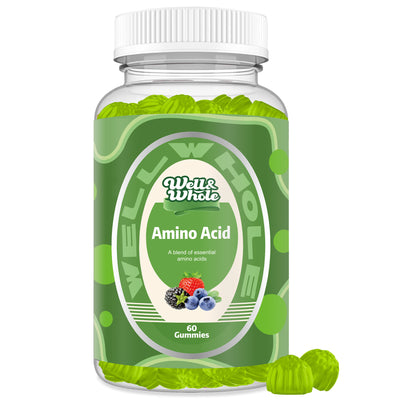
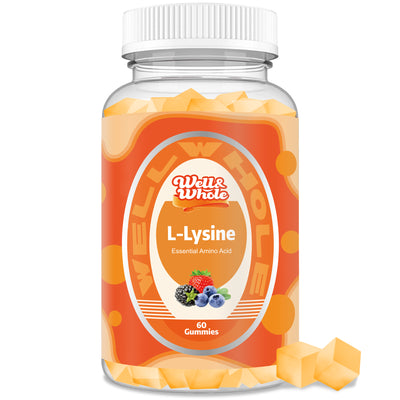
High Quality Proteins Contain All Essential Amino Acids

High Quality Proteins Contain All Essential Amino Acids
When it comes to building muscle, supporting immune function, or maintaining overall health, the quality of protein you consume matters more than the quantity alone. High quality proteins contain all essential amino acids—the nine building blocks your body cannot produce on its own. Without these, even a high-protein diet may fall short of supporting optimal physiological processes. For those looking to maximize nutrition, understanding what defines a complete protein and how to source it effectively is key.
Why Essential Amino Acids Are Non-Negotiable
The human body requires twenty different amino acids to function properly. Nine of these—histidine, isoleucine, leucine, lysine, methionine, phenylalanine, threonine, tryptophan, and valine—are essential because they must come from food. Unlike non-essential amino acids, which the body can synthesize, essential amino acids must be obtained through diet or supplementation.
A protein that contains all nine in sufficient amounts is considered a complete protein. Incomplete proteins lack one or more essential amino acids, which can limit their effectiveness for muscle repair, enzyme production, and hormone regulation. According to the World Health Organization (WHO), the daily requirement for essential amino acids varies by age and activity level, but a consistent intake of complete proteins helps ensure metabolic balance.
Summary: Essential amino acids are the foundation of high-quality protein. Without them, the body cannot perform critical repairs or maintain lean mass, making complete proteins a non-negotiable part of a balanced diet.
Recognizing Complete Protein Sources
Animal-based foods like eggs, milk, fish, and poultry are naturally complete. But plant-based options, such as quinoa, soy, and hemp seeds, also provide all essential amino acids when consumed in balanced combinations. For example, combining rice and beans creates a complementary profile that mimics a complete protein.
However, not all protein sources are created equal in terms of bioavailability. The Protein Digestibility Corrected Amino Acid Score (PDCAAS) rates proteins on a scale of 0 to 1 based on digestibility and amino acid content. Whey protein scores 1.0, while many plant proteins score lower unless fortified. A 2019 study published in the Journal of Nutrition found that consuming a variety of plant proteins throughout the day can still meet essential amino acid requirements, but careful planning is needed.
When choosing supplements, look for those that list complete protein sources or contain added essential amino acids. For instance, well&whole offers a range of high quality protein powder benefits that include all nine essential amino acids, making them suitable for both athletes and those with dietary restrictions.
Summary: Animal proteins are naturally complete, while plant-based options require strategic combinations. Understanding PDCAAS helps identify truly high-quality proteins that deliver full amino acid profiles.
How to Identify Premium Quality Supplements
With countless protein powders on the market, distinguishing high-quality products from fillers is crucial. A premium supplement should not only contain all essential amino acids but also minimal additives, third-party testing, and clear sourcing information. Essential amino acids supplementation becomes particularly important for older adults, vegetarians, or anyone with increased protein needs.
Look for products with a complete amino acid profile per serving. For example, well&whole uses a cold-processed method to preserve nutrient integrity, ensuring that each scoop delivers a balanced blend. The company sources ingredients from trusted farms and conducts independent lab analysis to verify amino acid content.
Additionally, check the label for leucine levels—a key trigger for muscle protein synthesis. Research from the American Journal of Clinical Nutrition (2020) indicates that at least 2–3 grams of leucine per meal maximize muscle repair. High-quality supplements often contain higher leucine proportions.
Summary: Premium protein supplements should provide a complete amino acid profile, transparent sourcing, and adequate leucine content. Choosing reputable brands like well&whole ensures you get the full nutritional benefit.
Practical Tips for Daily Protein Intake
Incorporating high-quality proteins into your routine doesn't have to be complicated. For breakfast, consider eggs or a complete protein powder blended into a smoothie. For lunch, include quinoa with vegetables and grilled chicken. Snacks like Greek yogurt or edamame offer quick, complete options.
For those who struggle to meet requirements through food alone, supplements offer a convenient solution. A high quality protein powder from well&whole can be added to oatmeal, soups, or baked goods without altering taste significantly. Aim for 0.8–1.6 grams of protein per kilogram of body weight daily, depending on activity level, as recommended by the Academy of Nutrition and Dietetics.
Summary: Small dietary adjustments—combining complementary foods or using a quality supplement—can ensure you consistently get all essential amino acids. Consistency matters more than perfection.
Frequently Asked Questions
1. What is the difference between complete and incomplete proteins?
Complete proteins contain all nine essential amino acids in adequate amounts, typically found in animal foods and some plant sources like quinoa. Incomplete proteins lack one or more essential amino acids and require pairing with other foods to form a complete profile.
2. Can plant-based diets provide all essential amino acids?
Yes, by consuming a variety of plant proteins throughout the day—such as rice with beans, hummus with whole-grain pita, or soy products—vegans and vegetarians can meet their essential amino acid needs. Supplementing with a complete protein powder like well&whole can simplify this process.
3. How can I verify if a protein supplement is truly high quality?
Check for third-party testing seals (e.g., NSF, Informed Choice), a complete amino acid profile on the label, and transparent ingredient sourcing. Also look for adequate leucine content (at least 2g per serving) and minimal artificial additives. well&whole provides detailed lab reports for each batch to ensure purity and potency.
These statements have not been evaluated by the Food and Drug Administration. This product is not intended to diagnose, treat, cure, or prevent any disease.