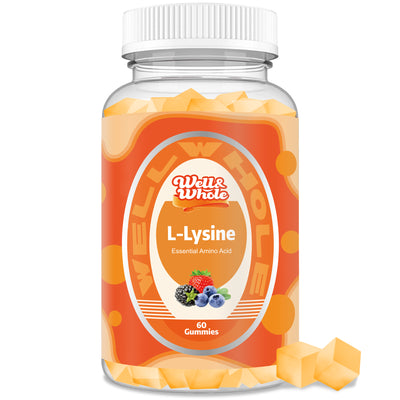
herpes and lysine supplements

How Lysine Interacts with the Herpes Virus and Supports Outbreak Control
Living with recurrent herpes outbreaks can feel like a constant guessing game — searching for that one missing piece that keeps the virus dormant. If you’ve ever explored natural or nutritional support, you’ve probably stumbled upon lysine. As a health-product trading company, well&whole regularly connects with retailers and consumers who ask the same question: can a simple amino acid supplement genuinely turn the tide against herpes flare-ups? The answer isn’t just marketing hype. It’s rooted in biochemistry, clinical observation, and everyday habits that are often overlooked. Let’s walk through how lysine works, what the research actually shows, and how you can make it a valuable part of your wellness plan without falling for unfounded promises.
The Biological Tug-of-War: Lysine and Arginine
The herpes simplex virus needs one particular building block to replicate successfully: the amino acid arginine. Lysine, which has a strikingly similar structure, acts as a decoy. When your body has ample lysine, it competes with arginine for absorption and transport across cell membranes. This competition directly influences the lysine arginine balance for herpes, essentially starving the virus of its preferred fuel. Many plant-based proteins — think nuts, seeds, and chocolate — are rich in arginine. If your diet leans heavily in that direction without enough lysine from foods like dairy, fish, or legumes, you might be unknowingly creating an environment that welcomes viral reactivation. That’s where targeted supplementation steps in to rebalance the equation.
In essence, lysine works silently in the background, tilting the internal environment so the herpes virus has fewer opportunities to wake up and cause visible lesions.
What the Evidence Actually Says About Lysine for Herpes
Before dismissing lysine as an old wives’ remedy, it’s worth looking at the numbers. A frequently cited trial published back in the 1980s found that patients who took 1,000 mg of lysine daily experienced significantly fewer cold sore recurrences and shorter healing times than the placebo group. More recent reviews, while calling for larger studies, consistently note that L-lysine supplementation seems to lower outbreak frequency in a subset of individuals, especially those with dietary triggers. Most importantly, safety data remains encouraging. The question many people type into search engines — can L-lysine prevent cold sores — doesn’t have a universal “yes,” but the evidence tilts favorably when the supplement is used consistently and combined with trigger management. I’ve seen retailers tell well&whole that their customers stick with lysine not because it works overnight, but because over months they simply stop worrying about that familiar tingling sensation.
While no one should call lysine a cure, the body of research gives it a legitimate seat at the table for people looking to reduce reliance on antiviral creams and manage outbreaks proactively.
Choosing a Formula That Actually Delivers Results
Not every lysine product on the shelf deserves your trust. The market is flooded with under-dosed tablets, blends filled with unnecessary binders, or capsules that use forms with poor bioavailability. When someone seeks the best lysine supplement for cold sores, the conversation should always turn to purity and manufacturing standards. This is exactly the kind of quality gap well&whole aims to bridge. Our L-lysine offerings, typically supplied as pharmaceutical-grade L-lysine hydrochloride, are sourced through verified GMP-compliant channels. We emphasize independent purification steps so that each dose consistently delivers what the label claims. In a segment where quality can be inconsistent, having a traceable, transparent supply chain matters — both for the retailers who stock their shelves and for the end users who need a dependable product to keep herpes symptoms in check.
Selecting a supplement that undergoes strict purity testing removes a layer of guesswork, letting you focus on results rather than worrying about what’s inside the capsule.
Building Lysine into Your Daily Defense Routine
Sporadic use rarely yields the steady protection most people hope for. The more practical approach revolves around consistency. A common starting point for prevention is a daily dose of 500 mg to 1,000 mg of lysine on an empty stomach. During the earliest signs of an outbreak — that tingling or itching phase — many protocols bump the intake to 1,000 mg taken two or three times a day for a short period. When people search for the right lysine dosage for cold sore prevention, they often overlook the importance of simultaneously dialing down high-arginine foods. Swapping out a peanut-heavy snack for a yogurt or a hard-boiled egg, alongside a morning lysine capsule, can create a noticeable shift over time. well&whole often advises its business partners to bundle lysine with simple lifestyle guidance, because the supplement works best as part of a broader pattern — not as a magic pill in isolation.
A steady morning routine with the right dose, paired with mindful food swaps, gradually builds a defensive wall that leaves the herpes virus with fewer chances to break through.
Frequently Asked Questions
1. Can lysine stop a herpes outbreak that has already started? Lysine isn’t a fast-acting antiviral, but when taken at the very first sign — typically the tingling phase — it may help reduce the severity and shorten healing time. It’s most reliable as a preventive tool rather than a last-minute rescue.
2. Are there any side effects associated with long-term lysine use? At standard doses of up to 3,000 mg per day, lysine is generally well tolerated. Some people may experience mild stomach discomfort if taken without water. It’s always wise to discuss ongoing supplementation with a healthcare provider, especially if you have underlying kidney concerns.
3. How do I know if my diet has too much arginine and not enough lysine? If your meals regularly center on nuts, seeds, oatmeal, and chocolate while being low in dairy, eggs, fish, or poultry, your arginine intake might be dominating the balance. This pattern can sometimes be reflected in frequent or stubborn herpes outbreaks, which is a signal to adjust both diet and supplementation.
These statements have not been evaluated by the Food and Drug Administration. This product is not intended to diagnose, treat, cure, or prevent any disease.