Heart Health Supplements: The Complete Evidence-Based Guide
Heart health supplements — what the research actually says about CoQ10, omega-3s, magnesium, and other supplements for cardiovascular support.

Heart disease remains the leading cause of death in the United States, accounting for ~1 in 5 deaths. While diet, exercise, and lifestyle form the foundation of heart health, certain supplements have strong evidence for additional support.
This guide cuts through the marketing to focus on what the research *actually* shows — including dosages, mechanisms, and the supplements that are worth your money (and which aren't).
The Big Picture: Foundation First
Before diving into supplements, the foundation for heart health is:
1. **Diet** — Mediterranean or DASH diet patterns
2. **Exercise** — 150+ minutes moderate aerobic weekly
3. **Sleep** — 7–9 hours consistently
4. **Stress management** — Chronic stress damages the cardiovascular system
5. **Not smoking** — Single biggest modifiable risk factor
Supplements can *support* this foundation — they cannot replace it.
Tier 1: Strong Evidence
Omega-3 Fatty Acids (EPA/DHA)
Evidence level: Very Strong
What the research says:
· REDUCE-IT trial (2019): 25% reduction in cardiovascular events with high-dose EPA
· VITAL trial: 28% reduction in heart attacks with omega-3s
· Strong evidence for triglyceride reduction
· Mild blood pressure reduction
Best form: Triglyceride-form (more bioavailable than ethyl ester)
Dose: 1,000–4,000 mg combined EPA+DHA daily
Best food sources: Fatty fish (salmon, mackerel, sardines)
Coenzyme Q10 (CoQ10)
Evidence level: Strong for specific populations
What the research says:
· Q-SYMBIO trial: 43% reduction in cardiovascular mortality in heart failure patients
· Essential for statin users (statins deplete CoQ10)
· Reduces blood pressure modestly (avg 11 mmHg systolic in hypertension)
· Improves energy production in cardiac cells
Best form: Ubiquinol (especially for adults 40+)
Dose: 100–300 mg daily with fat
Critical for statin users
Magnesium
Evidence level: Strong
What the research says:
· Higher magnesium intake = lower cardiovascular risk
· Important for blood pressure regulation
· Deficiency linked to arrhythmias
· Helps vascular relaxation
Dose: 200–400 mg daily
Best form: Glycinate or taurate for cardiovascular benefits
Best food sources: Dark chocolate, avocados, nuts, leafy greens
Tier 2: Good Evidence
Fiber (Psyllium)
Evidence level: Strong
What the research says:
· Lowers LDL cholesterol by 5–10%
· Reduces cardiovascular events
· Improves blood sugar control
· Supports gut health (which affects heart via inflammation)
Dose: 10–25 g psyllium daily
Best with: Plenty of water
Vitamin K2 (MK-7)
Evidence level: Good
What the research says:
· Rotterdam Study: 57% reduction in cardiovascular death with high K2 intake
· Directs calcium to bones, away from arteries
· Works synergistically with vitamin D
Dose: 100–200 mcg MK-7 daily
Caution: If on blood thinners (warfarin), consult doctor — K2 affects clotting
Berberine
Evidence level: Good for metabolic markers
What the research says:
· Comparable to metformin for blood sugar control in some studies
· Lowers LDL cholesterol by 20–25%
· Lowers triglycerides by 15–20%
· Supports AMPK activation (cellular energy sensor)
Dose: 500 mg 2–3x daily with meals
Caution: Can interact with medications; consult doctor
Garlic Extract (Aged)
Evidence level: Good
What the research says:
· Reduces blood pressure (avg 7–8 mmHg systolic)
· Modest LDL reduction (7–10%)
· Antiplatelet effects (mild blood thinning)
Dose: 600–1,200 mg aged garlic extract daily
Tier 3: Promising but Mixed Evidence
Niacin (Vitamin B3)
What the research says:
· Raises HDL (good) cholesterol
· Lowers LDL and triglycerides
· BUT: Recent trials (AIM-HIGH, HPS2-THRIVE) showed no cardiovascular benefit when added to statins
· Side effects (flushing, blood sugar issues) often outweigh benefits
· Not generally recommended if on statins
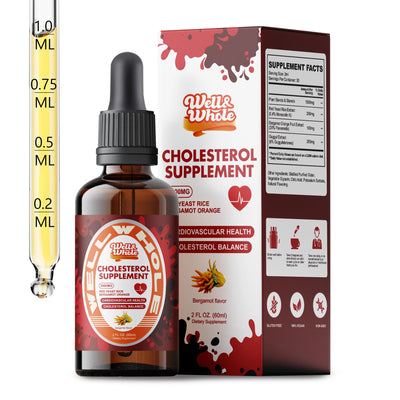
Red Yeast Rice
What the research says:
· Contains natural lovastatin
· Can lower LDL by 20–30%
· BUT: Variable active ingredient content, possible contaminants
· Not recommended without medical supervision
Plant Sterols/Stanols
What the research says:
· Lower LDL by 5–15%
· Block cholesterol absorption
· Useful adjunct therapy
Dose: 1.5–3 g daily
Found in: Some margarines, supplements
Tier 4: Often Overhyped
Multivitamins
The research: COSMOS trial showed modest cognitive and cardiovascular benefits in older adults, but the effect is small. A multivitamin is reasonable insurance but won't transform heart health.
Vitamin E
Mixed evidence: Some early studies showed benefit; later trials (HOPE, SELECT) showed no benefit or potential harm at high doses. Not recommended for heart health.
Vitamin C
Limited evidence for cardiovascular event reduction. Antioxidant theory didn't pan out in trials. Not a heart health supplement.
B-Complex (without deficiency)
Mixed evidence unless you have a specific deficiency (B12, folate, B6). Routine supplementation doesn't show clear cardiovascular benefit.
Special Considerations
For Statin Users
Statins deplete CoQ10. If you're on a statin, supplementing CoQ10 (100–200 mg/day) is essential to prevent muscle pain and support cardiac function.
For People with Hypertension
Best supplements:
· Magnesium (taurate form)
· Aged garlic extract
· CoQ10
· Potassium (from food)
· Berberine (if metabolic syndrome)
For People with High Cholesterol
Best supplements:
· Psyllium fiber
· Berberine
· Omega-3s
· Niacin (if not on statins)
For People with Family History
Focus on the Tier 1 supplements — omega-3s, CoQ10, and magnesium form the foundation.
Lifestyle vs Supplements: The Real Comparison
The takeaway: lifestyle changes have larger effects than any supplement. But supplements can meaningfully add to that foundation.
The well&whole Heart Stack
For comprehensive cardiovascular support, our Heart Health Stack includes:
· **Omega-3 Gummies** — 1,000 mg EPA+DHA per serving
· **CoQ10 Gummies** — 100 mg ubiquinol per serving
· **Magnesium Glycinate** — 300 mg per serving
This covers the three best-evidenced heart supplements in convenient daily formats.
FAQ
What's the single most important heart supplement?
Omega-3s. The evidence is strongest, especially for triglycerides and overall cardiovascular events.
Are heart supplements safe with blood thinners?
Many are (omega-3s, CoQ10, magnesium), but some (garlic, vitamin E, high-dose omega-3s) can have antiplatelet effects. Always consult your doctor.
Do I need a CoQ10 supplement?
If you're on a statin, yes — it's essential. Otherwise, it's beneficial for adults 40+ and those with cardiovascular concerns.
Can supplements replace statins?
No. Statins have unique LDL-lowering effects that supplements can't match. Supplements can complement, not replace, statin therapy.
How long until I see results?
Most cardiovascular supplements show effects within 8–12 weeks of consistent use. Some (omega-3s) can show triglyceride changes in 4–6 weeks.
Are there heart supplements to avoid?
Be cautious of supplements that interact with cardiac medications (grapefruit, St. John's Wort, high-dose vitamin K, etc.). Always disclose your supplements to your cardiologist.
Conclusion
Heart health is built on a lifestyle foundation — diet, exercise, sleep, stress management. But the right supplements can meaningfully add to that foundation.
The three best-evidenced heart supplements are:
6. Omega-3s (1,000–4,000 mg EPA+DHA)
7. CoQ10 (100–300 mg, especially for statin users)
8. Magnesium (200–400 mg glycinate or taurate)
The supporting cast:
· Psyllium fiber
· Vitamin K2
· Berberine
· Aged garlic extract
For a convenient, evidence-based heart health routine, our Heart Health Stack covers the essentials in daily gummy format.
These statements have not been evaluated by the Food and Drug Administration. This product is not intended to diagnose, treat, cure, or prevent any disease.