Hawthorn Extract: What the Research Actually Shows

Hawthorn extract is one of the most studied botanicals in cardiovascular research, with centuries of traditional use behind it. Modern studies suggest it supports healthy blood pressure and circulation, and trials in people with heart failure show it is generally well tolerated — though supplements are not a treatment for any heart condition. Here is what the evidence actually shows, and how hawthorn compares with other popular heart-support ingredients.
Key takeaways
- Hawthorn is rich in flavonoids studied for blood vessel function and healthy circulation.
- Clinical research shows modest support for blood pressure and exercise tolerance, mostly at doses of 300–900 mg daily.
- It is generally well tolerated, but it can interact with heart medications — ask a pharmacist first.
- Cayenne and CoQ10 play different supporting roles than hawthorn; horse chestnut targets leg vein comfort.
- No supplement replaces prescribed cardiovascular care or a heart-healthy lifestyle.
What hawthorn is and how it works
Hawthorn (Crataegus) is a thorny shrub whose leaves, berries, and flowers have been used in European and Chinese herbal tradition for centuries. Its studied compounds — mainly flavonoids and oligomeric procyanidins — are thought to support nitric oxide signaling, which helps blood vessels relax. That mechanism is why researchers became interested in hawthorn for circulation and cardiovascular support in the first place.
What the research actually shows
Blood pressure. Small clinical trials and reviews suggest modest support for healthy blood pressure, particularly in people with mildly elevated readings. Effects are gentle — this is a support role, not a medication replacement.
Cholesterol and triglycerides. Animal and small human studies hint at support for healthy lipid levels, but human evidence remains thin. If your cholesterol is a concern, hawthorn should not be the plan.
Heart function. The most substantial research looked at hawthorn as an add-on in people with heart failure. Some trials found improvements in exercise tolerance and symptoms; others were neutral. The key takeaway for healthy readers: hawthorn has a long safety record at standard doses, and its strongest studied context is alongside medical care, not instead of it.
Hawthorn vs other heart-support ingredients
Cayenne pepper (capsaicin) is studied for circulation support and metabolic effects, and it pairs naturally with hawthorn in combination formulas. CoQ10 plays a different role entirely: it supports cellular energy production, which matters because heart muscle is energy-hungry — and because statin users often have lower CoQ10 levels. Horse chestnut is the leg specialist: its aescin content is studied for vein comfort and leg circulation, a different job than hawthorn's arterial support. A sensible stack matches the ingredient to the goal rather than taking all four on faith.
How to choose a quality hawthorn extract
Extracts vary more than most buyers realize. The versions used in clinical trials are typically standardized to a defined flavonoid or procyanidin content, usually from leaf and flower rather than berry alone — check the label for a standardization percentage rather than a vague "hawthorn blend." Third-party testing logos matter more here than marketing language, because botanical quality control is where sketchy products cut corners. Combination formulas that pair hawthorn with cayenne or CoQ10 are reasonable when the doses of each ingredient are disclosed; proprietary blends that hide amounts behind a total milligram figure are not. And as with any supplement, the expiration date and storage advice on the label are part of the product, not decoration.
Lifestyle pairings that do the heavy lifting
Hawthorn's evidence sits on top of habits with far larger effects. A daily walk — especially after meals — supports circulation and blood pressure directly. Fiber-rich eating patterns help cholesterol, and resistance training twice a week supports the whole cardiovascular project. Sodium awareness, sleep, and the blood pressure cuff at home round out the picture: measuring is caring. Think of the extract as a supporting role in an ensemble, not the lead.
Dosing, safety, and interactions
Most human research uses 300 to 900 mg of standardized hawthorn extract daily, divided into two or three doses, with effects assessed over weeks rather than days. Hawthorn can interact with digoxin, beta-blockers, and blood pressure medications, amplifying their effects — anyone on cardiovascular medication should check with a clinician or pharmacist before adding it. Mild digestive effects are the most common complaint. Give any trial at least six to eight weeks before judging it, and keep the dose conservative while you assess tolerance.
The bottom line
Hawthorn is a reasonable, traditionally grounded choice for supporting everyday cardiovascular health — best paired with the fundamentals: movement, a fiber-rich diet, and the blood pressure checks that actually catch problems early.

Frequently asked questions
How long does hawthorn extract take to work?
Most trials assess effects over several weeks, not days. Circulation support is gradual, and steady daily use at a standard dose is how the research was designed.
Can hawthorn lower blood pressure?
Studies show modest support for healthy blood pressure, mainly in people with mildly elevated readings. It is a support role and does not replace prescribed medication or lifestyle changes.
Who should avoid hawthorn extract?
Anyone taking digoxin, beta-blockers, or blood pressure medication should ask a clinician first, since hawthorn can amplify their effects. Mild digestive effects are the most common complaint otherwise.
What is the difference between hawthorn and horse chestnut?
Hawthorn is studied for arterial function and everyday cardiovascular support, while horse chestnut targets leg vein comfort and circulation in the lower legs. They are complements, not substitutes.
Related supplements
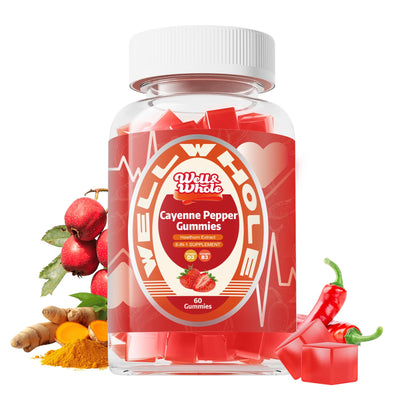
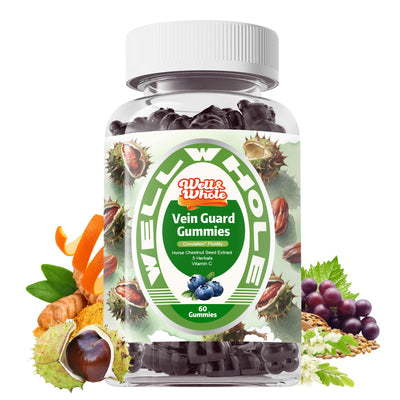
Should you decide to supplement, Well&Whole Horse Chestnut Extract Gummies, Circulation Supplements for Legs and Cayenne Pepper Heart Health Gummies with Hawthorn & CoQ10 & Turmeric are our formulation for this purpose. For a broader comparison, see the Heart Health and CoQ10 collections.
These statements have not been evaluated by the Food and Drug Administration. This product is not intended to diagnose, treat, cure, or prevent any disease. Talk to a healthcare professional before starting any new supplement, especially if you are pregnant, nursing, taking medication, or managing a health condition.
These statements have not been evaluated by the Food and Drug Administration. This product is not intended to diagnose, treat, cure, or prevent any disease.