Grass-Fed Beef Liver: What You Actually Get Per Serving

A single one-ounce serving of grass-fed beef liver delivers more bioavailable vitamin A, B12, iron, copper and choline than most people get in an entire day from a typical Western diet. That density is exactly why it earned its reputation as a "multivitamin in food form" — and why modern freeze-dried tablets, capsules and gummies are now sold as a convenient way to access those nutrients without cooking organ meat.
Beef liver supplements work because they concentrate nutrients that many people under-consume, particularly preformed vitamin A (retinol), heme iron, and active B12. The form, source and dose determine whether a product delivers the nutrient density it advertises.
What a real serving of liver actually contains
USDA nutrient data for a one-ounce (28 g) portion of cooked grass-fed beef liver gives roughly 90 calories, 16 g of complete protein, 6,000+ mcg RAE of preformed vitamin A, 20 mcg of selenium, 5 mg of iron (about a third of the daily value for an adult), 4 mg of zinc, 60 mg of choline, and 15+ mcg of B12. The same serving provides meaningful copper, folate, riboflavin and CoQ10. These numbers are not marketing copy; they are the public food-composition record for an ordinary portion of liver.
Why "grass-fed" matters more than it sounds
Grain-fed beef liver is nutritionally different from grass-fed liver. Cows that finish on pasture produce liver with a more favorable omega-3 to omega-6 ratio, higher CLA (conjugated linoleic acid), and measurably more vitamin E and beta-carotene. The difference is not subtle — some analyses show two to four times more vitamin E in grass-finished liver compared with conventional grain-finished liver.
What changes when liver is freeze-dried and pressed into a tablet
Freeze-drying is the gentlest preservation method for heat-sensitive nutrients. B12, CoQ10, vitamin A and iron all survive the process well, which is why high-quality liver supplements can legitimately claim to deliver nutrient profiles close to fresh liver. Cheaper hot-air-dried products lose more vitamin A and a meaningful fraction of B vitamins. The label should say "freeze-dried" rather than just "desiccated."
Who tends to benefit most
- People with low iron or B12 status: Heme iron and preformed B12 absorb far better than plant sources or synthetic forms, especially in older adults.
- Pregnant and postpartum individuals: The choline, folate, B12 and iron density is uniquely supportive, though vitamin A intake should be coordinated with a clinician because excess preformed retinol carries teratogenic risk at very high doses.
- Endurance and strength athletes: The high bioavailable iron and complete protein profile supports oxygen transport and recovery.
- Anyone eating a low-organ-meat modern diet: Most people today eat muscle meats only, missing the micronutrient density that organ meats historically provided.
Common concerns, addressed honestly
Vitamin A toxicity is the most-cited worry. The tolerable upper intake level for preformed retinol is 3,000 mcg RAE per day for adults. A standard 1,000 mg liver capsule typically delivers 500–1,500 mcg RAE depending on the herd, so one capsule is generally well within safe range. Do not stack liver supplements with high-dose retinol or cod liver oil without a clinician's input, especially during pregnancy.
Heavy metals are sometimes raised. Studies consistently show that beef liver contains lower heavy-metal levels than fish-based organ supplements, though sourcing and rotation of pastures still matter. Reputable brands publish third-party testing for lead, cadmium, arsenic and mercury.
How to choose a product
- Source: Look for "grass-fed, pasture-raised" from countries with strict agricultural oversight (New Zealand, Australia, the United States, Ireland).
- Processing: Prefer "freeze-dried" over "desiccated" or "spray-dried."
- Dose transparency: The label should state the equivalent fresh-liver weight per serving, not just capsule mass.
- Testing: Look for third-party verification of nutrient content and absence of contaminants.
- Format: Tablets and capsules preserve nutrient density best. Gummies dilute the dose with sugar and gelatin and often contain far less actual liver per piece.
Key takeaways
- One ounce of grass-fed beef liver provides dense bioavailable vitamin A, B12, iron, copper and choline.
- Freeze-drying preserves the nutrients that make liver a "food-form" multivitamin.
- Grass-fed sources deliver a more favorable fatty-acid profile and higher vitamin E.
- Standard capsule doses sit well within safe vitamin A intake for most adults.
- Pair with prenatal or professional guidance if pregnant, anemic, or taking retinol-based medications.
Frequently asked questions
How long before I notice a difference from liver supplements?
Energy and iron-status effects often show within 2–4 weeks of consistent use. B12 stores replenish more slowly, with full repletion sometimes taking several months.
Can I take liver supplements with a prenatal vitamin?
Possibly, but only with clinician guidance. Both contain preformed vitamin A, and the combined dose should be monitored to stay within safe upper limits during pregnancy.
Is beef liver safe for people with gout?
Liver is high in purines, which can raise uric acid. People with a history of gout should consult a clinician before regular use and consider lower doses or alternate-day schedules.
Do liver gummies work as well as capsules?
Generally no. Gummies require sugar, gelatin and flavoring that take up most of the piece, leaving room for far less actual liver per serving. A capsule delivering 1,000 mg of freeze-dried liver usually provides 5–10x more nutrient mass than a comparable gummy.
How it compares to a typical daily multivitamin
A standard store-brand multivitamin delivers modest amounts of many nutrients spread thin across 20+ ingredients. A quality liver supplement concentrates a smaller set of nutrients in much higher per-dose amounts, particularly the ones that modern diets most often lack: preformed vitamin A, heme iron, copper, B12 and choline. For people whose diet is broadly varied but who still feel dragged down, that targeted density often produces more noticeable change than another broad-spectrum tablet. The two approaches are not mutually exclusive — many people pair a basic multivitamin with a smaller daily liver capsule for a "food-plus-foundation" stack that covers both breadth and depth.
Related supplements
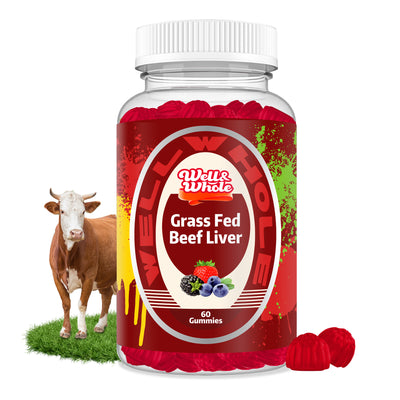
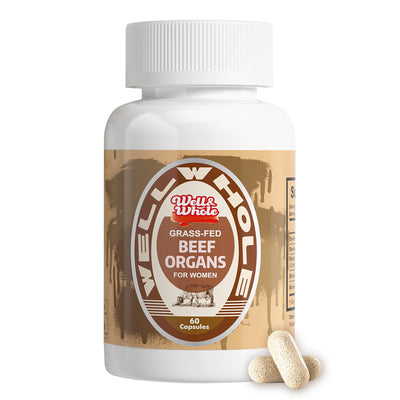
Putting it simply: if this is something you want to add to your routine, our Grass Fed Beef Liver Supplement Gummies with 60 Count for Full Wellness and Grassfed Beef Organ Supplement Capsules, Grass Fed & Pasture Raised, Total Body Wellness Support are a good place to start. The wider Vitamin A collection is worth a look, and the Health Benefits range covers related formats.
These statements have not been evaluated by the Food and Drug Administration. This product is not intended to diagnose, treat, cure, or prevent any disease. Talk to a healthcare professional before starting any new supplement, especially if you are pregnant, nursing, taking medication, or managing a health condition.