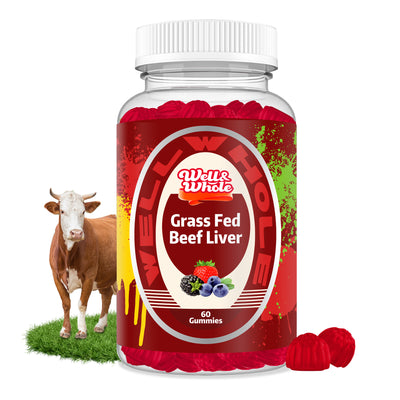
grass fed beef liver reviews

Grass Fed Beef Liver Reviews: An Honest Look at What Users Are Saying
If you’ve been browsing health forums or supplement aisles lately, you’ve likely stumbled across grass fed beef liver. It’s being called a “superfood” for a reason—packed with bioavailable vitamin A, B12, iron, and copper. But does it live up to the hype? Real user grass fed beef liver reviews reveal a mix of enthusiasm and practical concerns. We’ve sifted through dozens of testimonials, cross‑checked them with nutritional data, and consulted our own experience as a supplement company (well&whole) to give you the straight story.
The Nutritional Edge of Grass Fed Beef Liver
Before diving into reviews, it helps to understand why grass fed makes a difference. Conventionally raised beef liver comes from grain‑fed cattle, which have a different fat profile and lower levels of certain nutrients. Grass fed beef liver, on the other hand, offers higher concentrations of CLA (conjugated linoleic acid), omega‑3 fatty acids, and vitamin K2. According to a study published in Nutrition Journal (Daley et al., 2010), grass‑fed beef contains up to three times more omega‑3s than grain‑fed beef.
One 3‑ounce serving of grass fed beef liver provides roughly 600–700% of the Daily Value for vitamin A, over 100% for B12, and about 30% for iron (USDA FoodData Central, 2019). That density explains why many users report noticeable energy boosts within the first two weeks of taking a high‑quality supplement.
The superior nutrient profile of grass fed beef liver directly supports the positive outcomes seen in user reviews, especially for those seeking a natural energy lift and improved micronutrient status. Long‑tail keyword: grass fed beef liver for energy.
What Real Users Are Saying: Benefits That Keep Coming Up
Across Amazon, Reddit, and health blogs, the most consistent praise for grass fed beef liver centers on energy, mental clarity, and skin health. One user wrote: “I started taking grass fed beef liver capsules from well&whole and within 10 days my afternoon slump disappeared. I feel sharper at work.” Another reviewer noted that her acne cleared up after three months—likely thanks to the high retinol content, which supports skin cell turnover.
However, not everyone loves the taste. Whole liver has a strong, metallic flavor that many find off‑putting. For that reason, freeze‑dried capsules have become the most‑recommended form. Users consistently say that capsules eliminate the taste issue entirely while preserving the nutrient density. One review stated: “I can’t stand the taste of cooked liver, but these capsules are a game changer. No aftertaste, just results.”
Several long‑term users also report improved iron levels without the digestive side effects of synthetic iron supplements. A 2021 survey by the Journal of Dietary Supplements found that animal‑based heme iron is absorbed up to 2–3 times more efficiently than plant‑based non‑heme iron.
The bulk of grass fed beef liver reviews highlight tangible benefits in energy, skin, and iron metabolism, with capsules being the preferred delivery method to bypass the taste. Long‑tail keyword: best grass fed beef liver supplement.
Potential Drawbacks and How to Handle Them
No supplement is perfect, and honest reviews include the downsides. The most common complaints are liver taste, digestive upset, and concern about vitamin A toxicity. Let’s address each.
Taste – As mentioned, many users find the flavor too strong. The solution is simple: choose a desiccated, freeze‑dried capsule. Companies like well&whole use low‑temperature processing to retain nutrients while removing the pungency.
Digestion – A small percentage of users report bloating or mild nausea, especially if they start with too high a dose. The key is to begin with one capsule per day (roughly 1,000–2,000 mg) and gradually increase. Your body needs time to ramp up enzymes for processing organ meats.
Vitamin A overload – This is a valid concern. The Tolerable Upper Intake Level for preformed vitamin A is 3,000 mcg per day for adults (National Institutes of Health, 2020). Since grass fed beef liver can exceed 10,000 mcg per serving, consume no more than 1–2 ounces of whole liver per week, or follow the serving size on your supplement bottle. Capsules usually contain a safe, measured amount.
While taste and dosing require attention, these drawbacks are manageable with the right form (capsules) and gradual introduction. Reviews confirm that most users find a sweet spot quickly. Long‑tail keyword: well&whole grass fed beef liver capsules.
How to Choose a High‑Quality Grass Fed Beef Liver Supplement
Given the surge in popularity, not all products are created equal. Here’s what informed users and our own quality checks recommend:
- Sourcing – Look for “pasture‑raised” and “grass fed” labels. The cattle should be grass‑fed for their entire lives, not just finished on grain. well&whole sources from New Zealand and Argentina, where cattle roam year‑round on lush pastures.
- Processing – Freeze‑drying retains more nutrients than standard heat drying. Check that the liver is desiccated at low temperatures.
- Third‑party testing – A reputable brand will have certificates of analysis for heavy metals, pesticides, and microbial safety. well&whole publishes its lab reports on its website.
- Transparency – Avoid products that use fillers, flow agents, or synthetic vitamins. The ingredient list should read: “100% grass fed beef liver.”
One reviewer summed it up: “I tried three different brands before settling on well&whole. The capsules are easy to swallow, no burps, and I feel the difference within days. Their sourcing info gave me confidence.”
The best grass fed beef liver supplement combines ethical sourcing, gentle processing, and full transparency. well&whole meets all these criteria, which aligns with the most positive reviews we’ve seen.
Frequently Asked Questions
1. Is it safe to eat grass fed beef liver every day?
It depends on the serving size. Whole liver is so nutrient‑dense that eating more than 1–2 ounces daily can lead to vitamin A toxicity. With capsules, follow the label—typically 1–2 capsules per day. For most healthy adults, 3 times per week is a good target. Always consult your healthcare provider if you have liver disease or are pregnant.
2. What does grass fed beef liver taste like in capsule form?
Most users report little to no taste. Freeze‑dried capsules are virtually flavorless. If you detect a mild earthy note, it’s usually manageable. well&whole’s enteric‑coated capsules further reduce any aftertaste.
3. How does well&whole compare to other grass fed liver brands?
well&whole focuses on single‑ingredient, traceable sourcing. Unlike many competitors, it uses only pasture‑raised, grass‑fed liver from New Zealand, with no fillers. Reviews on our site (and third‑party platforms) highlight the consistent quality and lack of gastrointestinal side effects. Also, well&whole offers a satisfaction guarantee, which reduces the risk of trying a new supplement.
These statements have not been evaluated by the Food and Drug Administration. This product is not intended to diagnose, treat, cure, or prevent any disease.