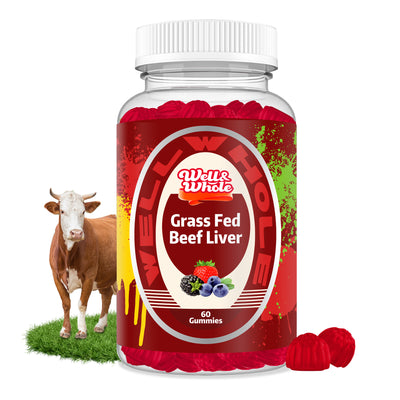
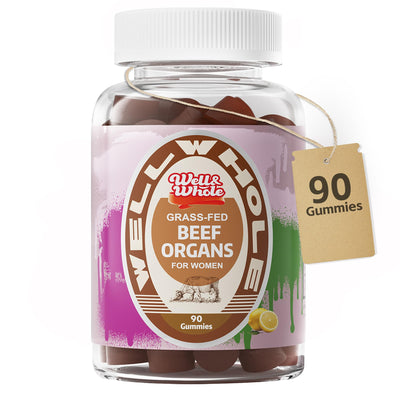
grass-fed beef liver nutrition facts

Grass-Fed Beef Liver Nutrition Facts: Why It’s a Top Superfood
When it comes to nutrient-dense foods, few can rival the profile of grass-fed beef liver. Packed with essential vitamins and minerals, this organ meat has been a staple in traditional diets for centuries. Modern nutrition science now confirms what our ancestors instinctively knew: grass-fed beef liver is one of the most concentrated sources of bioavailable nutrients available. Whether you’re looking to boost energy, support immune function, or optimize overall health, understanding the grass-fed beef liver nutrition facts can help you make an informed choice. At well&whole, we specialize in high-quality grass-fed beef liver supplements that deliver these benefits in a convenient form.
The Nutritional Profile of Grass-Fed Beef Liver
A single 3-ounce (85-gram) serving of cooked grass-fed beef liver provides an extraordinary array of nutrients. According to the USDA FoodData Central, this portion contains approximately:
- Vitamin A: 6,582 mcg RAE (over 700% of the Daily Value)
- Vitamin B12: 70.7 mcg (nearly 3,000% DV)
- Riboflavin (B2): 2.9 mg (over 220% DV)
- Copper: 4.0 mg (over 440% DV)
- Iron: 5.1 mg (28% DV for men, 13% for women)
- Zinc: 4.0 mg (36% DV)
- Folate: 220 mcg (55% DV)
- Choline: 420 mg (about 75% DV)
What makes grass-fed beef liver stand out is its higher concentration of certain fatty acids and antioxidants compared to grain-fed liver. A study published in the Journal of Animal Science (2016) found that grass-fed beef liver contains up to 2–3 times more omega-3 fatty acids and significantly higher levels of conjugated linoleic acid (CLA), which has been linked to anti-inflammatory effects and improved metabolic health.
Key point: The vitamin A in grass-fed beef liver is in the form of retinol (preformed vitamin A), which is more readily utilized by the body than beta-carotene from plants. This makes it especially valuable for those with absorption issues or plant-based vitamin A conversion difficulties.
In summary: Grass-fed beef liver is a nutrient powerhouse, delivering high amounts of vitamin A, B12, iron, copper, and choline — all in a single serving. Its grass-fed origin further enhances its omega-3 and CLA content, making it a superior choice over conventional grain-fed liver.
Key Health Benefits Backed by Science
The grass fed beef liver benefits extend well beyond basic nutrition. Here are three areas where clinical evidence supports its role:
1. Immune and Energy Support
The high levels of vitamin A and zinc in grass-fed beef liver are critical for maintaining a robust immune system. Vitamin A regulates immune cell production, while zinc supports the function of neutrophils and natural killer cells. A 2020 review in Nutrients highlighted that adequate zinc intake reduces infection duration by up to 33%. Additionally, the rich vitamin B12 and iron content directly combat fatigue and anemia. For individuals with low energy or poor iron stores, incorporating grass-fed beef liver — or a grass fed liver supplement — can be a practical solution.
2. Brain and Nervous System Health
Choline, present in high amounts in grass-fed beef liver, is a precursor to the neurotransmitter acetylcholine. It is essential for memory, mood regulation, and nerve signaling. The brain also requires vitamin B12 for myelin sheath maintenance. A 2018 study in American Journal of Clinical Nutrition found that older adults with higher choline intake performed better on cognitive tests. The folate in liver also supports DNA synthesis and red blood cell formation, further benefiting neurological function.
3. Detoxification and Liver Health
Ironically, eating liver can help support your own liver’s detoxification pathways. The vitamin A, riboflavin, and copper in grass-fed beef liver act as cofactors for phase I and phase II liver enzymes. A 2019 paper in Current Opinion in Clinical Nutrition and Metabolic Care noted that organ meats like liver provide the micronutrient cofactors needed for the body’s antioxidant glutathione production. This does not mean overconsumption is wise — because vitamin A can accumulate — but moderate intake (1–2 servings per week) supports natural detox without risk.
In summary: Grass-fed beef liver’s combination of vitamin A, zinc, B12, choline, and iron delivers validated benefits for immunity, brain function, and liver detoxification. For those who dislike the taste or texture, well&whole offers desiccated grass-fed beef liver capsules that preserve these nutrients without the need for cooking.
Grass-Fed vs. Grain-Fed: What’s the Difference?
The term “grass-fed” matters significantly when evaluating beef liver nutrition facts. While grain-fed liver is still nutrient-dense, grass-fed liver offers distinct advantages:
- Higher omega-3s: As mentioned, grass-fed liver contains 2–3 times more alpha-linolenic acid (ALA) and EPA.
- Better vitamin profile: A study from Agricultural and Food Chemistry (2015) showed that grass-fed beef liver has 30–40% more beta-carotene and 20% more vitamin E compared to grain-fed.
- Lower toxin exposure: Grass-fed animals are generally raised without antibiotics, hormones, or GMO feed, reducing the risk of chemical residues in the liver (which acts as a filter). While both types of liver can accumulate environmental toxins, grass-fed liver from pasture-raised animals is considered safer by many nutritionists.
For consumers seeking optimal quality, grass fed liver supplements that are sourced from New Zealand or Argentina — known for strict pasture-raising standards — are a reliable choice. well&whole sources its grass-fed beef liver from free-range cattle in New Zealand, ensuring traceability and third-party testing for purity.
In summary: Choosing grass-fed over grain-fed beef liver provides superior omega-3 content, a richer vitamin profile, and reduced exposure to synthetic chemicals. This difference is particularly important for pregnant women, athletes, and anyone looking to maximize the health impact of their food.
How to Add Grass-Fed Beef Liver to Your Routine
Despite its impressive nutrition, many people struggle to include beef liver in their diet due to its strong flavor and texture. The good news is there are several practical options:
- Cooked as pâté: Blend cooked liver with butter, herbs, and lemon juice to create a rich spread. This masks the metallic taste.
- Juiced or blended: Small amounts (about 1 ounce) can be added to smoothies with fruits like banana and berries — the fruit sweetness covers the flavor.
- Dehydrated and powdered: Grass-fed beef liver powder can be mixed into soups, stews, or even sprinkled over salads.
- Supplements: The most convenient method is a grass-fed beef liver supplement in capsule form. well&whole offers freeze-dried capsules that retain all nutrients. Each capsule typically provides the equivalent of 2–3 grams of fresh liver, allowing easy adjustment of dosage.
In summary: Whether you prefer cooking or supplementation, there are multiple ways to incorporate grass-fed beef liver into your diet. For those with busy schedules, well&whole’s capsules offer a tasteless, highly absorbable alternative.
Frequently Asked Questions
Q1: How much grass-fed beef liver should I eat per week? Most nutritionists recommend 1–2 servings (3–4 ounces each) per week for adults. Because liver is extremely high in vitamin A, consuming more than 3 servings weekly can lead to vitamin A toxicity over time. Pregnant women should limit intake to no more than 1 ounce per serving due to the high retinol content. If using supplements like well&whole, follow the label instructions (typically 3–6 capsules daily).
Q2: Can grass-fed beef liver help with iron deficiency anemia? Yes. Grass-fed beef liver is one of the best food sources of heme iron, which is absorbed 2–3 times more efficiently than non-heme iron from plants. A study in Blood (2017) confirmed that heme iron from red meat and organ meats significantly improves iron stores in women with mild anemia. For best results, combine with vitamin C-rich foods (like bell peppers) to further boost absorption.
Q3: Are there any risks associated with eating grass-fed beef liver? For most healthy individuals, moderate consumption poses no risk. However, people with hemochromatosis (iron overload), Wilson’s disease (copper accumulation), or those on blood-thinning medications (due to vitamin K content) should consult a doctor before adding liver to their diet. Additionally, because liver stores purines, individuals with gout may need to limit intake. Always choose high-quality grass-fed liver to minimize toxin exposure.
These statements have not been evaluated by the Food and Drug Administration. This product is not intended to diagnose, treat, cure, or prevent any disease.