Grass Fed Beef Liver Nutrition Benefits and Superfood Guide
Informational blog on grass-fed beef liver nutrition benefits comparisons cooking tips and sustainable sourcing

What Is Grass-Fed Beef Liver?
When people ask me about nutrient-dense foods, grass-fed beef liver is always near the top of my list. Put simply, it’s liver from cattle that spend their lives eating grass and forage, not primarily corn or soy in a feedlot.
Grass-Fed vs. Grain-Fed Cattle
Here’s the quick breakdown:
-
Grass-fed beef liver
- Cattle graze on pasture most of their lives
- Diet is built around grass, hay, and other forage
- Often raised on smaller or regenerative farms
-
Grain-fed beef liver
- Cattle are finished on corn, soy, and other grains
- Usually in large feedlots
- Faster weight gain, but a different fat and nutrient profile
Both are “beef liver,” but how the animal is raised changes the final product—from flavor and fat to the micronutrient profile.
Ethical and Environmental Benefits
When I choose grass-fed beef liver, I’m not just thinking about nutrients:
- Better animal welfare: More natural movement, grazing, and sunlight
-
Lower environmental impact (when managed well):
- Pasture-based systems can build soil health
- Less reliance on grain, synthetic fertilizers, and confinement
- Support for local farms: Many US grass-fed operations are small, independent, and focused on quality over volume
This isn’t about perfection—it’s about choosing options that align better with animal welfare and sustainable beef liver sourcing.
How Grass-Fed Impacts Nutritional Density
Grass-fed beef liver is often richer in key nutrients compared to conventional, grain-fed liver:
- Higher omega-3 fatty acids and a better omega-6 to omega-3 ratio
- More antioxidants like vitamin E and certain carotenoids
- Naturally high levels of B vitamins, iron, and vitamin A, making it a true beef liver superfood
In other words, when cattle live on pasture and eat what they’re designed to eat, their liver ends up more nutrient-dense, which directly benefits your energy, metabolism, and overall health.
Nutritional Profile of Grass-Fed Beef Liver
When people talk about the nutritional value of beef liver, they’re usually describing grass-fed, because that’s where this food really shines.
Key vitamins and minerals in grass-fed beef liver
Per roughly 100g (about 3.5 oz), grass-fed beef liver packs a huge amount of micronutrients:
- Vitamin A (retinol) – Extremely high; supports vision, immunity, skin, and hormone health.
- B vitamins (especially B12, B2, B3, B6, folate) – Major boost for energy, metabolism, and brain function.
- Iron (highly bioavailable heme iron) – Great for anemia support and maintaining healthy red blood cells.
- Choline – Important for brain health, liver function, and detox support.
- Copper, zinc, selenium – Trace minerals for immunity, thyroid function, and antioxidant support.
- Protein – Complete protein with all essential amino acids.
This is why I consider grass-fed beef liver a true superfood in a real-world, practical sense.
Grass-fed beef liver as a superfood per 100g
To give you a feel for how dense it is, about 100g of grass-fed beef liver often delivers:
- Well over daily needs of vitamin A
- 10–20x the daily value of vitamin B12
- Around 50% or more of your daily iron needs (depending on age/sex)
- Significant amounts of choline, folate, and copper
You’re getting a nutrient-dense food in a very small serving, which is why many people use beef liver for energy, recovery, and filling nutrient gaps.
Grass-fed vs grain-fed beef liver nutrition
Compared with grain-fed, grass-fed beef liver generally offers:
- Higher omega-3s and a better omega-3 to omega-6 ratio
- More antioxidants like vitamin E and glutathione
- Slightly higher levels of certain fat-soluble vitamins and minerals
Grain-fed liver still has solid nutrients, but if you’re aiming for maximum nutrient density and health benefits of beef liver, grass-fed vs grain-fed beef liver isn’t a small detail—it’s a real upgrade.
Health Benefits of Grass-Fed Beef Liver
Energy, Metabolism & B Vitamins
Grass-fed beef liver is one of the strongest “real food” energy boosters I use.
Per 100 g (about 3.5 oz) cooked:
| Nutrient (B vitamins) | Approx. Amount | Why it matters |
|---|---|---|
| Vitamin B12 | 1,000–1,500% DV | Energy, red blood cells, brain function |
| Riboflavin (B2) | 150–200% DV | Fat and carb metabolism, skin health |
| Niacin (B3) | 80–100% DV | Supports metabolism and digestion |
| Folate (B9) | 60–80% DV | Cell growth, especially key for pregnancy |
Key benefits:
- Helps fight fatigue and low energy
- Supports metabolism for carbs, fat, and protein
- Great fit for athletes, busy professionals, and low-energy days
Vitamin A for Immunity & Vision
Grass-fed beef liver is loaded with preformed Vitamin A (retinol), which your body can use right away.
| Benefit | How Vitamin A helps |
|---|---|
| Immune health | Supports white blood cells and defense |
| Vision | Protects night vision and eye surface |
| Skin barrier | Supports healthy skin and mucous membranes |
A small serving once or twice a week is usually enough to cover Vitamin A needs for most adults.
Iron, Blood Health & Anemia Support
Compared to plant sources, grass-fed beef liver iron is heme iron, which your body absorbs better.
| Nutrient | Approx. Amount per 100 g | Role |
|---|---|---|
| Iron | 30–35% DV | Red blood cells, oxygen transport |
Who may benefit most:
- Women with heavy periods
- Those with diagnosed iron-deficiency anemia (with doctor oversight)
- Endurance athletes
Always pair liver with Vitamin C–rich foods (like bell peppers or citrus) to support iron absorption.
Choline for Brain & Liver Health
Grass-fed beef liver is a top choline source, which is under-consumed in the U.S.
| Nutrient | Approx. Amount per 100 g | Benefits |
|---|---|---|
| Choline | 60–70% DV | Brain, memory, liver detox, fetal development |
Why this matters:
- Supports focus, memory, and mood
- Helps the liver process fats and detox byproducts
- Important for pregnant women for baby’s brain development
Who Benefits Most From Grass-Fed Beef Liver?
Good fit for:
- People on nutrient-dense diets (keto, paleo, carnivore, whole-food)
- Those low in B12, iron, or choline
- Athletes and active lifestyles needing higher recovery and energy
- People wanting a “superfood” multivitamin from real food
Use more caution if you:
- Are pregnant or breastfeeding (keep portions small, talk with your OB/GYN)
- Have gout or high uric acid
- Have high cholesterol or advanced liver disease (follow your doctor’s guidance)
Vitamin A Toxicity: How to Stay Safe
Grass-fed beef liver is powerful, so dosing matters.
Basic safety guidelines (for most healthy adults):
- Serving size: 1–3 oz (28–85 g) cooked
- Frequency: 1–2 times per week is usually plenty
- Avoid combining large liver servings + high-dose Vitamin A supplements
If you’re pregnant, have liver issues, or take prescription meds, loop in your healthcare provider before making liver a regular part of your diet.
Grass-fed beef liver is a legitimate superfood when used smartly: small portions, weekly, and paired with a balanced diet.
Grass-Fed vs. Grain-Fed Beef Liver
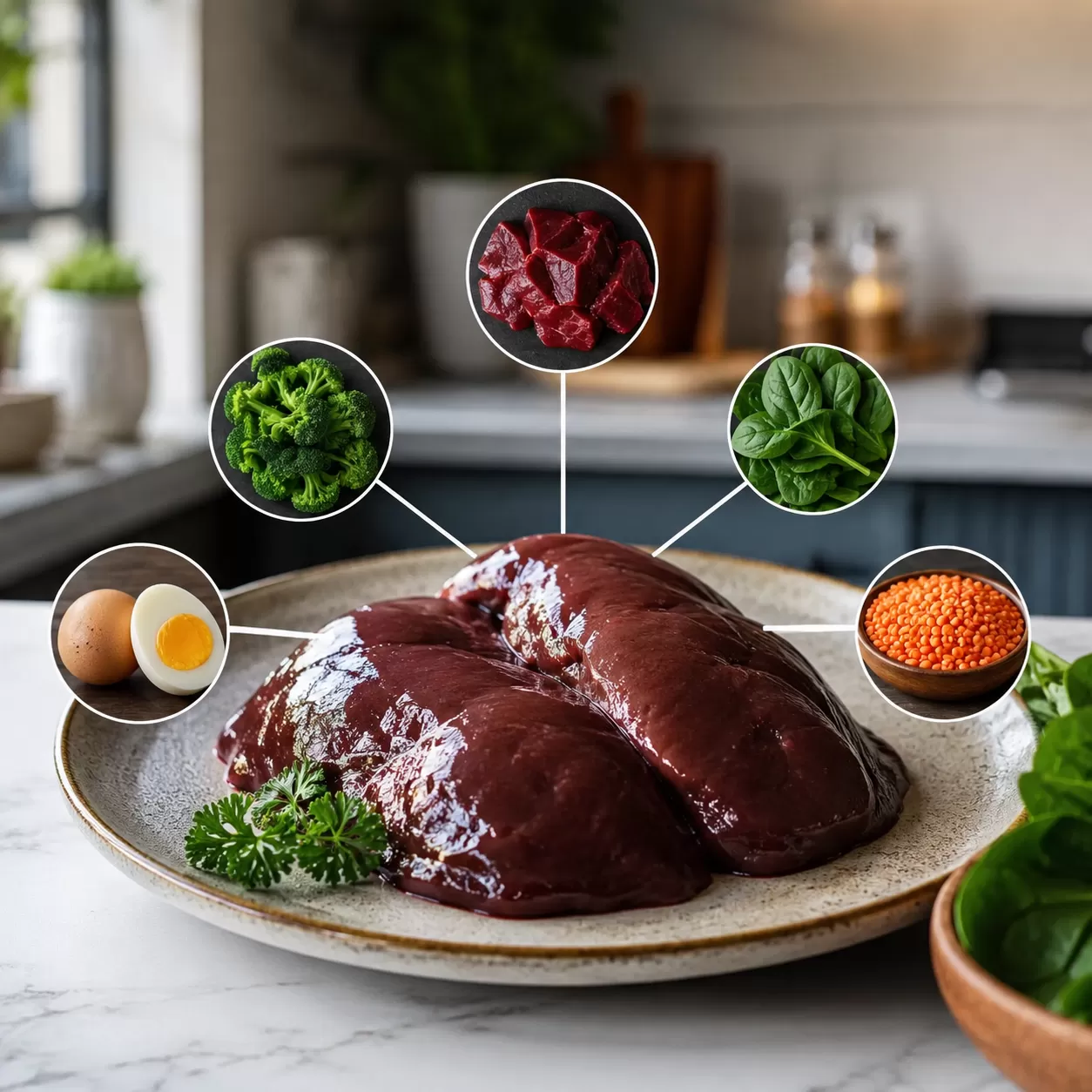
When I stack grass-fed beef liver against grain-fed, grass-fed wins for nutrition, taste, and ethics.
Nutritional differences (omega-3s + antioxidants)
Grass-fed beef liver usually has:
| Nutrient / Feature | Grass-Fed Beef Liver | Grain-Fed Beef Liver |
|---|---|---|
| Omega-3 fatty acids | Higher | Lower |
| Omega-6 : Omega-3 ratio | More balanced | More omega-6 heavy |
| Antioxidants (vit E, CLA) | Higher | Lower |
| Vitamin content (A, B12) | Very high in both, often denser in grass-fed | High, but can be lower |
Because grass-fed cattle eat pasture instead of corn and soy, the beef liver tends to be richer in omega-3s, CLA, and fat-soluble antioxidants. That’s a big plus if you’re focused on inflammation, energy, and long-term health.
Taste, texture, and cooking
Most people in the U.S. say grass-fed beef liver has:
- A cleaner, “leaner” flavor
- Slightly firmer texture
- Less of that “metallic” or gamey taste when cooked right
If you’re new to beef liver:
- Slice it thin
- Cook it quickly (medium heat, short time)
- Pair with onions, garlic, and butter or ghee to soften the flavor
Ethical and environmental edge
I run my platform around regenerative, grass-fed sourcing because:
- Cattle on pasture can improve soil health and support local ecosystems
- Many grass-fed farms in the U.S. use better animal welfare practices
- You’re often supporting small, local producers instead of huge feedlots
So when I choose grass-fed beef liver, I’m not just getting a more nutrient-dense superfood; I’m also aligning with better animal welfare, sustainability, and food quality—which matters a lot if this is something you’re eating regularly.
How to Source and Buy Grass-Fed Beef Liver
Where to buy grass-fed beef liver
If you’re in the U.S. and want high-quality grass-fed beef liver, here’s where I’d look first:
-
Local farms & ranches
- Search “grass-fed beef liver near me” or use sites like EatWild, LocalHarvest, or your state’s farm directory.
- Look for farms that raise 100% grass-fed, grass-finished cattle and avoid feedlots.
-
Trusted butchers
- Visit independent butchers or whole-animal butcher shops; they’re more likely to carry grass-fed beef liver regularly.
- Ask directly:
- “Is this liver from 100% grass-fed cattle?”
- “Is it from U.S. farms or imported?”
-
Online grass-fed meat companies
- Many U.S.-based meat companies ship frozen grass-fed beef liver nationwide.
- Look for transparent sourcing, farm info, and third-party certifications.
What to look for on labels
When you’re standing in front of the fridge or scrolling online, focus on the label details:
-
“100% Grass-Fed” or “Grass-Fed & Grass-Finished”
- “Grass-fed” alone can be misleading. You want 100% grass-fed, not “grain-finished.”
-
Country of origin
- Look for Product of USA if you want domestic sourcing.
-
Certifications that actually matter
- Certified Grassfed (AGA or similar)
- Certified Organic (bonus, but not required if the farm is transparent)
- No added hormones / No antibiotics
-
Visual check
- Color: deep reddish-brown, not gray or dull.
- Texture: firm, not mushy or dried out around the edges.
- Smell (if you can): clean, not sour.
Quick sourcing tips for grass-fed beef liver
- Buy frozen if you don’t plan to cook it within a couple of days; it freezes very well.
- If you don’t see it in the case, ask the butcher—often grass-fed beef liver is in the back or sold on request.
- Consider bulk buys or half/quarter cow shares if you’re building a nutrient-dense diet and want better pricing on organs.
How to Prepare and Cook Grass-Fed Beef Liver
Fixing the taste and texture “problem”
Most people who “hate liver” had it overcooked and rubbery. Grass-fed beef liver is lean and cooks fast, so the goal is tender, slightly pink, and well-seasoned. To mellow the flavor and improve texture:
- Slice thin (¼ inch or less) for quicker, more even cooking
- Trim membranes and visible connective tissue
- Use acid or dairy (milk, buttermilk, lemon juice) to soften and reduce strong flavors
Soaking grass-fed beef liver (beginner-friendly)
A quick soak can make a huge difference, especially if you’re new to grass-fed beef liver nutrition.
Basic milk soak:
- Slice liver into thin strips
- Cover with whole milk or buttermilk in a glass bowl
- Add a pinch of salt and optional splash of lemon juice
- Soak 30–60 minutes in the fridge
- Pat completely dry before cooking
No dairy? Use water + lemon juice or water + apple cider vinegar (10–15 minutes).
Simple grass-fed beef liver recipe (pan-seared)
This is the easiest way to start, especially if you want the health benefits of beef liver without a complicated recipe.
Ingredients:
- 1 lb grass-fed beef liver, thinly sliced
- Whole milk or buttermilk (for soaking)
- 2–3 tbsp butter, ghee, or tallow
- 1 large onion, sliced
- Salt, black pepper, garlic powder
- Optional: smoked paprika, thyme
Step-by-step:
- Soak liver in milk 30–60 minutes, then drain and pat dry.
- Season both sides with salt, pepper, garlic powder, and paprika.
- Caramelize onions in 1 tbsp fat over medium heat, set aside.
- Add more fat, turn heat to medium-high.
- Sear liver 1–2 minutes per side. You want the outside browned and the inside slightly pink. Don’t overcook.
- Top with the onions and serve right away.
This keeps the nutritional value of beef liver high while avoiding that chalky, overcooked texture.
“Hidden” liver: blend, don’t chew
If you want the grass-fed beef liver benefits without tasting much liver:
-
Liver burgers:
- Blend 2–4 oz liver with 1 lb ground grass-fed beef
- Season well (salt, pepper, onion powder, garlic, Worcestershire)
- Form into patties and cook as usual
-
Meat sauce / chili:
- Blend liver smooth in a blender
- Stir 2–3 oz into a pot of chili, bolognese, or taco meat
- The flavor disappears, but the nutrients stay
This is my go-to for families and people who want beef liver for energy and iron but can’t stand the taste straight.
Pairing with other nutrient-dense foods
To build a powerful, nutrient-dense plate around grass-fed beef liver:
-
With vitamin C (helps iron absorption):
- Serve with bell peppers, tomatoes, citrus, or a simple salad
-
With healthy fats (for vitamin A and K absorption):
- Cook in butter, ghee, or tallow
- Add avocado or a drizzle of olive oil to your sides
-
Easy pairings:
- Liver and onions + mashed potatoes + sautéed spinach
- Liver burger patties + roasted sweet potatoes + coleslaw
- Hidden liver in chili + rice or baked potato + side salad
Handled right, grass-fed beef liver becomes an easy way to plug serious nutrition into a normal American meal, instead of feeling like a strange “health food” project.
Who Should Eat Grass-Fed Beef Liver?
Ideal people for grass-fed beef liver
Grass-fed beef liver is a solid pick if you’re looking for a nutrient-dense food that actually moves the needle. It’s especially useful for:
-
People with low energy or fatigue
- High in B12, iron, and other B vitamins that support energy and metabolism.
-
Anyone dealing with low iron or mild anemia (with doctor supervision)
- Heme iron in beef liver is highly absorbable and often easier to use than plant iron.
-
Those on real-food, nutrient-dense diets
- Great fit for paleo, keto, carnivore, Weston A. Price, and “ancestral” diets.
-
Athletes and active people
- Supports recovery, red blood cell production, and oxygen transport.
-
People with limited diets
- If you don’t eat a lot of variety, grass-fed beef liver can help fill vitamin and mineral gaps.
When to be careful with beef liver
Grass-fed beef liver is powerful, so some people in the U.S. should go slow or talk to their doctor first:
-
Pregnancy and breastfeeding
- Liver is very high in Vitamin A (retinol). Too much can be risky in pregnancy.
- If you’re pregnant, keep portions very small and only eat it occasionally, and clear it with your OB or midwife first.
-
Gout or high uric acid
- Liver is high in purines, which can trigger gout flare-ups in sensitive people.
- If you have gout, either avoid it or use very small amounts under medical guidance.
-
High cholesterol or heart disease history
- Liver contains cholesterol, but it also comes with nutrients that support overall health.
- If your doctor has you on a strict low-cholesterol plan, check with them before adding it.
-
Vitamin A supplements or retinoid medications
- If you’re already taking Vitamin A, Accutane (isotretinoin), or similar meds, combining with beef liver can push Vitamin A too high.
Simple guidelines for safe use
- Treat grass-fed beef liver like a strong supplement in food form, not a daily meat.
- For most healthy adults in the U.S., a small portion (1–3 oz) once a week is usually plenty.
- When in doubt—especially with pregnancy, gout, or existing health conditions—run it by your doctor first.
Grass-Fed Beef Liver FAQ
Is grass-fed beef liver safe to eat raw?
I don’t recommend eating grass-fed beef liver raw at home.
Even from high-quality, pasture-raised cattle, there’s still a risk of:
- Bacteria (like E. coli, Salmonella)
- Parasites
- Foodborne illness, especially for kids, pregnant women, and anyone with a weaker immune system
If you want that “raw-style” nutrition, I stick to:
- Light searing (still pink inside, but surface cooked)
- Frozen then lightly cooked grass-fed beef liver
- Dehydrated or freeze-dried liver from trusted brands
Bottom line: for most people in the U.S., properly cooked grass-fed beef liver is the safest and smartest choice.
How often should I eat beef liver?
Beef liver is a true superfood, but it’s also extremely potent—especially for Vitamin A and B12.
A simple, safe guideline for most healthy adults:
- 1–3 oz (30–85 g) per serving
- 1–2 times per week
This gives you the nutritional value of beef liver (iron, B vitamins, choline, etc.) without pushing Vitamin A too high.
You might want to stay closer to 1 oz weekly if:
- You’re already taking a multivitamin or cod liver oil
- You eat a lot of other Vitamin A–rich foods (like fortified dairy, eggs)
- You’re small-framed or very sensitive to Vitamin A
If you have liver disease, are on medication, or are pregnant, talk with your doctor before making grass-fed beef liver a regular thing.
Can I give beef liver to my children or pets?
Yes, but in small, controlled amounts.
Kids
Grass-fed beef liver can help with:
- Iron for energy and growth
- B12 and folate for brain and nervous system
- Vitamin A for immunity and vision
Smart way to introduce it:
- Start with ½–1 oz cooked, once every 1–2 weeks
- Mix into ground beef, meatballs, burgers, or chili
- Watch for any digestive upset or unusual symptoms
Avoid liver supplements for kids unless a pediatrician says it’s needed.
Dogs and cats
Pets generally handle beef liver very well, especially grass-fed, but it should be a treat, not the main meal.
- Keep liver at ≤10% of total diet
- Feed 1–2 times per week, depending on size
- Always fully cook or gently cook if you’re not working with a pet nutritionist who approves raw
Too much liver can cause Vitamin A toxicity in both kids and animals, so I always treat it like a powerful supplement food—small dose, big benefit.
Related supplements
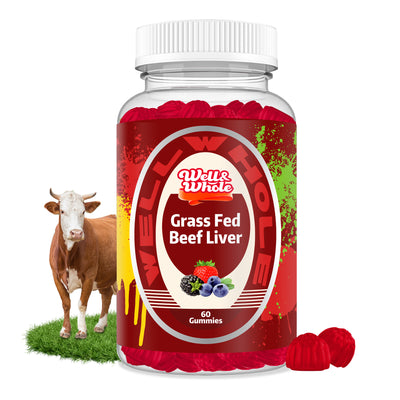
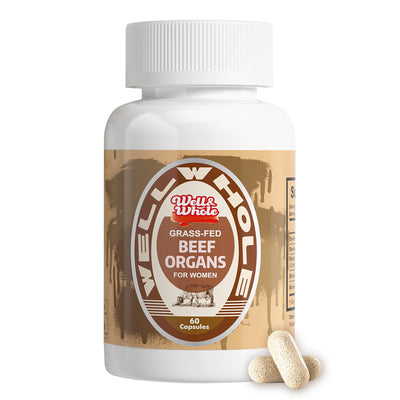
Should you decide to supplement, Grass Fed Beef Liver Supplement Gummies with 60 Count for Full Wellness and Grassfed Beef Organ Supplement Capsules, Grass Fed & Pasture Raised, Total Body Wellness Support are our formulation for this purpose. For a broader comparison, see the Vitamin A and Health Benefits collections.
These statements have not been evaluated by the Food and Drug Administration. This product is not intended to diagnose, treat, cure, or prevent any disease.