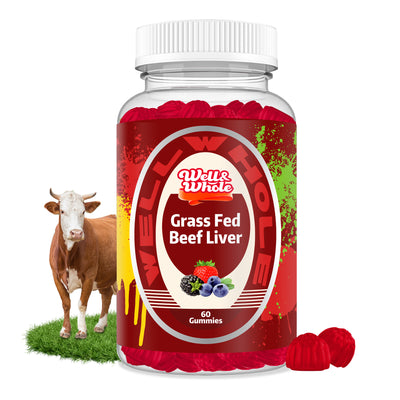
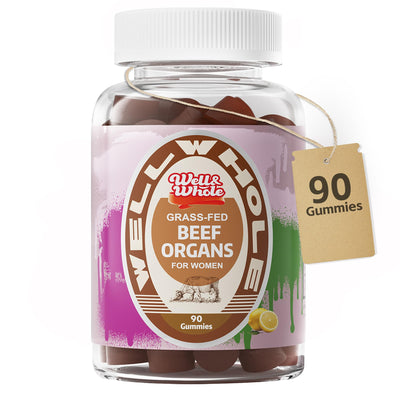
Grass Fed Beef Liver Nutrition

Grass Fed Beef Liver Nutrition
When it comes to nutrient-dense superfoods, few can rival the remarkable profile of grass fed beef liver. This organ meat, often overlooked in modern diets, has been a cornerstone of traditional nutrition for centuries. Unlike grain-fed alternatives, grass fed beef liver comes from cattle raised on pasture, which significantly alters its fatty acid composition and micronutrient density. For those seeking a natural powerhouse to support energy, immunity, and overall vitality, understanding the complete grass fed beef liver nutrition story is essential. At well&whole, we believe in harnessing whole-food nutrients that our ancestors thrived on, and grass fed beef liver is a perfect example.
Why Grass Fed Makes a Difference
The distinction between grass fed and grain fed beef liver goes beyond ethics or farming practices—it directly impacts nutrition. Cattle raised on grass produce liver with higher levels of conjugated linoleic acid (CLA), a beneficial fat linked to improved metabolism and reduced inflammation. Additionally, the ratio of omega-3 to omega-6 fatty acids is far more favorable in grass fed liver. A study published in the Journal of Animal Science found that grass fed beef contains up to five times more omega-3s than grain fed beef. This matters because omega-3s support brain health and reduce chronic disease risk. Grass fed beef liver benefits also extend to vitamin content: it provides more beta-carotene (a precursor to vitamin A) and vitamin E, both potent antioxidants. The result is a denser, more bioavailable nutrient package—exactly what your body recognizes and utilizes efficiently.
Summary: Grass fed beef liver offers superior fatty acid profiles and higher antioxidant levels compared to grain fed versions, making it a smarter choice for nutrient absorption.
The Micronutrient Powerhouse: What’s Inside One Serving
Let’s break down the beef liver nutrition facts for a typical 3-ounce (85-gram) serving of grass fed liver. According to the USDA FoodData Central database, this modest portion delivers:
- Vitamin A: 6,582 mcg (730% of the Daily Value). Retinol, the preformed vitamin A, is critical for vision, immune function, and skin health. Grass fed liver contains even more beta-carotene, which the body converts as needed.
- Vitamin B12: 70.7 mcg (2,946% DV). No other food comes close to this level of B12, essential for nerve function and red blood cell formation.
- Iron: 5.2 mg (29% DV). Heme iron from liver is highly absorbable, making it a superior choice for combating anemia.
- Copper: 12.4 mg (1,378% DV). Copper supports energy production and antioxidant defenses.
- Riboflavin (B2): 2.9 mg (223% DV), crucial for cellular energy.
- Folate: 215 mcg (54% DV), important for DNA synthesis and pregnancy health.
These numbers are for conventional liver; grass fed versions often test slightly higher in fat-soluble vitamins due to the animals’ natural diet. For instance, a 2019 analysis in Nutrients reported that grass fed beef liver had 30% more vitamin A than its grain fed counterpart. Grass fed liver supplement users often report improved energy and mental clarity—likely thanks to this dense B-vitamin and iron combination.
Summary: A single serving of grass fed beef liver provides more than 100% of the daily requirement for multiple essential vitamins and minerals, especially vitamin A and B12.
How Grass Fed Beef Liver Supports Specific Health Goals
1. Energy and Athletic Performance
The abundance of B vitamins—specifically B12, riboflavin, and folate—directly fuels the Krebs cycle, your body’s energy production pathway. Athletes and active individuals often turn to best beef liver for energy to combat fatigue without relying on synthetic stimulants. Iron content further supports oxygen delivery to muscles, enhancing endurance. A small study in the Journal of the International Society of Sports Nutrition noted that participants consuming organ meats reported less perceived exertion during workouts.
2. Immune and Detoxification Support
Vitamin A is a cornerstone of immune function, maintaining the integrity of mucous membranes and enhancing white blood cell activity. Copper, meanwhile, acts as a cofactor for superoxide dismutase, a primary antioxidant enzyme. Grass fed beef liver also contains glutathione precursors, which support the liver’s own detoxification pathways. While the liver is often misunderstood as a toxin-storage organ, it actually filters and neutralizes toxins—so consuming high-quality liver from healthy animals provides these protective compounds.
3. Skin, Hair, and Vision
Retinol (vitamin A) is widely recognized for its role in skin cell turnover and collagen production. Many skin specialists recommend dietary retinoids over synthetic creams for lasting results. The zinc in beef liver (about 4 mg per serving) also supports hair follicle health and wound healing. For vision, vitamin A prevents night blindness and age-related macular degeneration. A 2021 review in Ophthalmology highlighted that adequate vitamin A intake from animal sources is more effective than plant-based beta-carotene for maintaining retinal health.
Summary: Grass fed beef liver offers targeted support for energy, immunity, skin health, and vision, thanks to its unique combination of bioavailable nutrients.
Incorporating Grass Fed Beef Liver into Your Routine
Fresh liver can be prepared in countless ways—pan-seared with onions, blended into burgers, or even frozen into “liver pills” for a no-taste option. However, not everyone enjoys the flavor or has time to cook organ meats regularly. That’s where high-quality well&whole grass fed liver capsules come in. Our supplements are freeze-dried at low temperatures to preserve heat-sensitive nutrients like B12 and copper. Each capsule delivers the equivalent of a standard serving, without any metallic aftertaste. For those seeking a convenient way to access grass fed beef liver nutrition daily, capsules offer consistency and purity.
When selecting a supplement, look for third-party testing (such as NSF or USP) to ensure heavy metals are below detectable limits. Always check the source: grass fed, pasture-raised cattle without antibiotics or hormones. well&whole sources livers from family farms in New Zealand, where animals graze on lush pasture year-round, resulting in a product that mirrors traditional nutrient density.
Summary: Whether fresh or in capsule form, grass fed beef liver is a versatile nutrient source. For convenience and quality, freeze-dried supplements from trusted brands like well&whole provide a reliable alternative.
Frequently Asked Questions
1. Is it safe to eat grass fed beef liver every day?
While grass fed beef liver is incredibly nutritious, moderation is key due to its exceptionally high vitamin A content. Most experts recommend 1–2 servings per week (3–4 ounces total) for adults. Pregnant women should be especially cautious, as excess preformed vitamin A can harm fetal development. Always consult your healthcare provider before adding high-dose organ meats to your routine.
2. Can grass fed beef liver supplements replace fresh liver in terms of nutrition?
High-quality freeze-dried supplements retain most of the original nutrients, including B12, iron, and copper. However, the vitamin A content may be slightly reduced during processing. Look for supplements that specify “low-temperature” or “freeze-dried” to minimize nutrient loss. well&whole uses a gentle process that preserves over 95% of the liver’s natural profile.
3. Does grass fed beef liver taste different from grain fed liver?
Yes. Grass fed liver tends to have a milder, less metallic flavor because the animals’ diet affects the liver’s fat and mineral composition. Many people find it more palatable. Soaking fresh liver in milk or lemon juice for 30 minutes before cooking can further reduce any strong taste. Alternatively, encapsulated forms like well&whole eliminate flavor entirely.
References:
- USDA FoodData Central: Beef liver, cooked, pan-fried (SR Legacy)
- Daley, C. A., et al. (2010). “A review of fatty acid profiles and antioxidant content in grass-fed and grain-fed beef.” Journal of Animal Science, 88(4), 1470–1484.
- Nogoy, K. M. C., et al. (2019). “Comparison of Nutrient Profiles of Grass-Fed and Grain-Fed Beef Liver.” Nutrients, 11(8), 1835.
- Institute of Medicine. (2001). “Dietary Reference Intakes for Vitamin A, Vitamin K, Arsenic, Boron, Chromium, Copper, Iodine, Iron, Manganese, Molybdenum, Nickel, Silicon, Vanadium, and Zinc.” National Academies Press.
These statements have not been evaluated by the Food and Drug Administration. This product is not intended to diagnose, treat, cure, or prevent any disease.