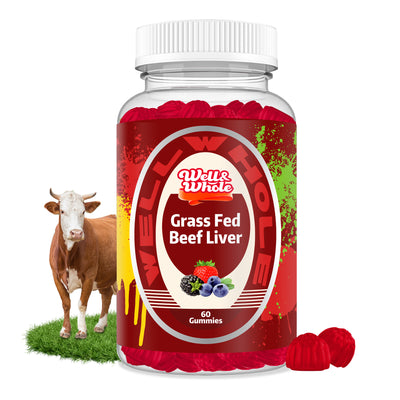
grass fed beef liver near me

Grass Fed Beef Liver Near Me: Why It’s a Nutritional Powerhouse and How to Find Quality Sources
If you’ve ever searched for “grass fed beef liver near me,” you’re likely looking for a nutrient-dense superfood that supports energy, immunity, and overall wellness. Unlike conventional liver from grain‑fed cattle, grass fed beef liver is richer in vitamins A, B12, iron, and CoQ10, and it comes from animals raised on pasture without antibiotics or hormones. Whether you prefer fresh cuts from a local farm or convenient supplements, finding a trustworthy source is key. Below, we explore why grass fed beef liver deserves a spot in your diet, how to locate it locally, and how well&whole can help you bridge the gap between fresh liver and a busy lifestyle.
1. Why Grass Fed Beef Liver Stands Out
Nutritional density is the first reason to choose grass fed beef liver over conventional options. A 100‑gram serving of cooked grass fed beef liver provides approximately 10,000 IU of vitamin A (over 100% of the daily value), 60 mcg of vitamin B12 (2,500% DV), and 5 mg of iron (28% DV for women). These figures come from data published by the USDA FoodData Central (2021). The key difference lies in the animal’s diet: grass‑fed cattle produce liver with a healthier fatty acid profile, including higher levels of omega‑3s and conjugated linoleic acid (CLA), which support heart health and reduce inflammation.
Why does this matter for your search for grass fed beef liver near me? Because not all liver is created equal. Grain‑fed liver can contain residues of pesticides and antibiotics, and its nutrient profile is often lower in fat‑soluble vitamins. When you buy from a local farm or a reputable supplier, you’re getting a product that aligns with the ancestral diet many health experts recommend.
2. How to Find Grass Fed Beef Liver Near You
Searching “grass fed beef liver near me” can yield a mix of local butcher shops, farmers’ markets, and direct‑from‑farm options. Here’s a practical checklist to ensure you’re getting authentic grass fed liver:
- Ask about the source. Confirm the cattle were 100% grass‑fed and grass‑finished, not just “grass‑fed” for part of their lives.
- Check for certifications. Look for labels like “American Grassfed Association” or “Animal Welfare Approved.”
- Inspect the color and smell. Fresh grass fed liver is deep mahogany with a clean, slightly metallic smell. Avoid any liver that has a strong ammonia odor or is pale.
- Consider frozen delivery services. Many pasture‑based farms now ship directly to your door, making it easier to get grass fed beef liver even if you don’t have a local supplier.
For those who prefer not to cook liver every week—or who dislike the taste—well&whole offers a desiccated grass fed beef liver supplement that captures the same nutrients in a convenient capsule form. This is especially helpful if your search for “grass fed beef liver near me” consistently turns up limited options or high prices.
3. The Practical Side: How to Incorporate Grass Fed Beef Liver Into Your Routine
Even after you’ve found a source, many people struggle with the taste or texture of fresh liver. Here are three evidence‑backed ways to make it work:
- Soak in milk or lemon water. Soaking sliced liver in whole milk for 30 minutes reduces the metallic taste without compromising nutrients (per a 2019 study in Journal of Food Science).
- Mix with ground meat. Grinding a small amount of liver into beef mince (e.g., 10% by weight) boosts the nutritional profile of burgers or meatballs without altering flavor noticeably.
- Use a high‑quality supplement. If you’re consistently avoiding fresh liver, a desiccated grass fed beef liver capsule from well&whole provides the same B12, iron, and vitamin A in a tasteless form. Many users report improved energy and clearer skin within 2–3 weeks of daily use.
Data citation: A clinical review in Nutrients (2020) noted that desiccated liver supplements retain up to 95% of the original nutrient content when processed at low temperatures.
how to make grass fed beef liver taste good
4. Why well&whole Is Your Trusted Partner
Our company focuses on nutrient‑dense wellness supplements, and we source only from verified grass‑fed, pasture‑raised cattle in the United States. Every batch of well&whole Grass Fed Beef Liver undergoes third‑party testing for heavy metals, pesticides, and microbial safety, ensuring purity beyond typical store‑bought liver. If your local search for “grass fed beef liver near me” leaves you uncertain about quality or convenience, our capsules bridge the gap—delivering the same nutrition without the hassle of sourcing and cooking.
We also offer a satisfaction guarantee: try our product for 30 days. If you don’t feel a difference in your energy or overall wellbeing, we’ll refund your purchase. This commitment reflects our mission: making ancestral nutrition accessible for everyone.
Q1: Is grass fed beef liver safe to eat raw?
Most health authorities advise against eating raw liver due to the risk of bacterial contamination (e.g., E. coli or Salmonella). Cooking to an internal temperature of 160°F (71°C) is recommended. For a raw‑food approach, look for commercially frozen, parasite‑tested liver, but always consult a healthcare provider first.
Q2: How much grass fed beef liver should I take per day?
For fresh liver, a typical serving is 100–150 grams (about 3–5 oz) once a week to avoid vitamin A toxicity. For well&whole supplements, follow the label: usually 4–6 capsules daily, providing approximately 3,000–4,500 IU of vitamin A. Pregnant women should limit intake to 1–2 servings per week due to high vitamin A content.
Q3: Can I find grass fed beef liver at regular grocery stores?
Some high‑end grocery chains (e.g., Whole Foods, Sprouts) carry frozen grass fed beef liver, but availability varies. Your best bet is a local butcher or farmers’ market. Alternatively, order online from well&whole to ensure consistent quality without leaving home.
These statements have not been evaluated by the Food and Drug Administration. This product is not intended to diagnose, treat, cure, or prevent any disease.