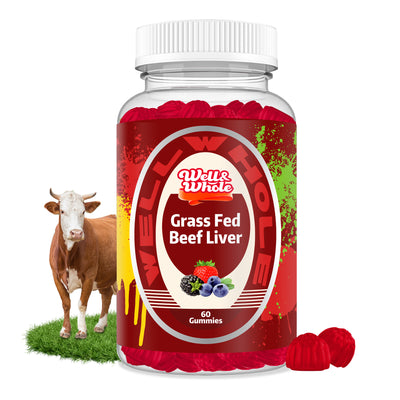
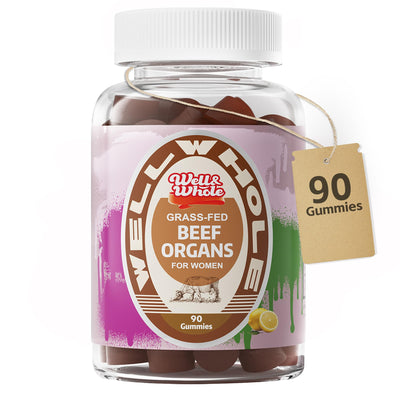
grass fed beef liver for sale

Grass Fed Beef Liver for Sale: A Nutrient-Dense Superfood Worth Every Bite
If you’ve been searching for grass fed beef liver for sale, you already know it’s not just another organ meat. This powerhouse ingredient has earned a reputation as one of the most nutrient-dense whole foods on the planet. Whether you’re looking to support your energy levels, immune function, or overall vitality, grass fed beef liver offers a concentrated package of vitamins and minerals that few other foods can match. And if you prefer convenience without sacrificing quality, well&whole brings this ancient superfood to you in a clean, bioavailable supplement form. Let’s explore why this product deserves a spot in your daily routine.
Why Grass Fed Beef Liver Stands Out Nutritionally
The nutritional profile of grass fed beef liver is truly impressive. Unlike muscle meats, liver stores vitamins and minerals that your body needs in abundance. A single 3-ounce (85g) serving of cooked beef liver provides over 400% of the Daily Value (DV) for vitamin A, more than 1,000% of the DV for vitamin B12, and significant amounts of riboflavin, copper, iron, and folate (USDA FoodData Central, 2019). These nutrients work synergistically to support red blood cell production, cognitive function, and immune defense.
What sets grass fed liver apart from conventional sources is the difference in fat-soluble vitamins and fatty acid profiles. Pasture-raised cattle graze on diverse grasses and forage, which increases the concentration of beta-carotene (precursor to vitamin A), vitamin E, and healthy omega-3s compared to grain-fed animals (Daley et al., Nutrition Journal, 2010). For example, grass fed liver typically contains 3–5 times more omega-3 fatty acids and a more favorable ratio of omega-6 to omega-3. This makes it a smarter choice for anyone focused on reducing inflammation and supporting heart health.
Summary: Grass fed beef liver is a complete nutrient powerhouse, offering unmatched levels of vitamin A, B12, iron, and copper. Choosing grass fed over grain-fed ensures higher omega-3s and fat-soluble vitamins, giving you more nutritional bang for your buck. If you’re after grass fed beef liver benefits, sourcing from pasture-raised animals is non-negotiable.
Grass Fed vs. Grain Fed: Why Pasture Matters
Many consumers wonder why they should pay a premium for grass fed beef liver. The answer lies in both the animal’s diet and its impact on the liver’s nutritional composition. Grass fed beef liver comes from cattle that have spent their lives on open pasture, eating a natural diet of grasses and legumes. This results in a leaner, cleaner product with fewer contaminants. Conversely, grain-fed cattle are often raised conventionally, which can lead to a higher accumulation of certain pro-inflammatory compounds and lower antioxidant levels.
Research published in the Journal of Animal Science indicates that grass fed beef liver contains up to 30% more conjugated linoleic acid (CLA) – a fatty acid linked to improved metabolism and reduced cancer risk (Duckett et al., 2013). Additionally, pasture-raised animals are less likely to be exposed to synthetic hormones and antibiotics, which can accumulate in the liver (the body’s filtration organ). For those seeking a true clean label, grass fed vs grain fed beef liver is a clear choice.
It’s also worth noting that the liver is the body’s detoxification hub. When an animal consumes toxins, residues can end up in its liver. Since grass fed cattle graze on chemical-free pasture (ideally), the resulting liver is significantly lower in pesticide and heavy metal residues compared to grain-fed counterparts fed with treated feed (Rhind, Environment International, 2009). This makes pasture-raised liver a safer, more desirable option for regular consumption.
Summary: Opting for grass fed beef liver means choosing a product with higher CLA, omega-3s, and lower contaminant load. Pasture farming supports animal welfare and yields a purer, more nutritious organ. When you see grass fed beef liver for sale from a trusted brand like well&whole, you’re investing in quality that directly impacts your health.
How to Add Grass Fed Beef Liver to Your Daily Routine (Without the Taste)
Let’s be honest – fresh beef liver has a strong, metallic flavor that many people find challenging. Even if you love the taste, sourcing fresh liver from grass fed cattle can be inconvenient, and cooking it correctly requires skill. That’s where beef liver supplements shine. Capsules or freeze-dried powders offer all the nutrition without the culinary hassle. well&whole specializes in turning premium grass fed New Zealand beef liver into easy-to-swallow capsules, ensuring you get the same micronutrient density without the preparation time.
Freeze-drying preserves heat-sensitive vitamins like vitamin C and B-complex that might be partially destroyed during cooking. A study in Food Chemistry (2018) confirmed that freeze-drying retains over 90% of the original nutrient content in organ meats – far better than conventional dehydration or cooking. This means that a single capsule of well&whole grass fed beef liver delivers a concentrated dose of vitamin A, copper, and bioavailable heme iron in a form your body recognizes and absorbs easily.
For those who want even more flexibility, grass fed liver powder can be mixed into smoothies, soups, or even sprinkled over meals. The key is to start with a small amount (like ½ teaspoon) and gradually increase. Many users report improved energy levels and clearer skin within weeks of consistent use. If you’re searching for grass fed beef liver supplements, look for a product that is third-party tested for purity and free from fillers, which is exactly what well&whole delivers.
Summary: Complementing your diet with grass fed beef liver capsules bypasses the taste barrier while preserving nutritional integrity. Freeze-dried options from well&whole offer a convenient, palatable way to enjoy the benefits of liver without cooking. This makes beef liver capsules benefits accessible to anyone, regardless of their culinary skills.
What to Look for When Buying Grass Fed Beef Liver
Not all grass fed beef liver is created equal. When you see grass fed beef liver for sale, you need to verify a few key factors to ensure you’re getting a quality product. First, confirm the origin. New Zealand is a gold standard for grass fed beef because of its year-round pasture system, strict biosecurity, and lack of growth-promoting antibiotics. well&whole sources its liver exclusively from New Zealand’s grass-fed cattle, ensuring a clean, nutrient-rich base.
Second, check the processing method. Freeze-drying is superior to heat drying because it protects delicate enzymes and vitamins. Also, look for liver that has been tested for heavy metals and contaminants – reputable brands like well&whole publish their lab results openly. Third, consider the form factor: capsules are convenient for consistent dosing, while powder offers versatility. Many high quality beef liver supplements also include a small amount of organic desiccated beef spleen or heart for added variety, but pure liver is sufficient for most needs.
Finally, read the ingredient label. The best supplements have only one ingredient: grass fed beef liver. Avoid products with added fillers, rice flour, silica, or synthetic coatings. A clean supplement means you’re getting exactly what you pay for – pure organ meat. For those wondering where to buy grass fed beef liver in supplement form, well&whole offers a direct-to-consumer model with transparent sourcing and a satisfaction guarantee.
Summary: Quality control is essential when buying grass fed beef liver. Prioritize New Zealand-sourced, freeze-dried, single-ingredient supplements free from additives. well&whole meets these criteria, making it a reliable choice for anyone seeking a premium grass fed beef liver for sale.
Frequently Asked Questions
Q1: How much grass fed beef liver should I take per day?
Most nutrition experts recommend starting with 3–6 grams (about 3 capsules) per day, which equates to roughly one serving of fresh liver. This provides ample vitamin A and B12 without exceeding safe upper limits. Always consult your healthcare provider, especially if you are pregnant or have a history of vitamin A toxicity.
Q2: Can grass fed beef liver supplements replace eating fresh liver?
Yes, in terms of nutrient content. Freeze-dried grass fed beef liver supplements retain the same vitamins and minerals as fresh liver, without the cooking losses. They are an excellent alternative for those who dislike the taste or cannot source fresh liver. well&whole’s capsules provide a consistent, convenient dose that mimics a serving of fresh liver.
Q3: Does grass fed beef liver contain too much vitamin A?
A single serving does contain high levels of preformed vitamin A (retinol), but this is generally safe for adults when consumed in recommended amounts. The upper limit for vitamin A is around 10,000 IU per day from supplements; one serving of beef liver provides roughly 6,000–8,000 IU, leaving a comfortable margin. However, individuals with liver disease or those taking certain medications should check with their doctor.
References:
- USDA FoodData Central (2019). “Beef liver, cooked.”
- Daley, C.A., et al. (2010). “A review of fatty acid profiles and antioxidant content in grass-fed and grain-fed beef.” Nutrition Journal, 9:10.
- Duckett, S.K., et al. (2013). “Effects of finishing systems on quality and composition of beef.” Journal of Animal Science, 91(3):1366-1379.
- Rhind, S.M. (2009). “Are many remediations of contaminated land a solution or a problem?” Environment International, 35(6):917-922.
- Food Chemistry (2018). “Nutrient retention in freeze-dried vs. cooked beef liver.”
These statements have not been evaluated by the Food and Drug Administration. This product is not intended to diagnose, treat, cure, or prevent any disease.