Grass-Fed Beef Kidney: The DAO Enzyme Powerhouse
Grass-fed beef kidney is nature's richest source of DAO enzyme, which helps break down histamine. Learn how beef kidney supplements may support histamine balance and digestive comfort.

Of all the organ meats prized in traditional nutrition, kidney may be the most overlooked—and the most uniquely valuable for people struggling with histamine-related issues. Beef kidney is the body's natural source of diamine oxidase (DAO), the primary enzyme responsible for breaking down histamine in the digestive tract. When DAO levels are insufficient, histamine from food can accumulate, potentially contributing to a range of uncomfortable symptoms.
Grass-fed beef kidney supplements are gaining recognition as a natural way to support the body's histamine management system. In this article, we'll explore the science behind DAO enzyme, why beef kidney is the body's DAO source, how histamine balance works, and how well&whole's Grass Fed Beef Kidney Gummies offer targeted histamine support in a convenient format.
Understanding Beef Kidney as a Nutritional Organ
Before diving into DAO specifically, it's worth understanding what makes beef kidney such a valuable organ. Kidneys aren't just filters—they're metabolically active organs with unique nutritional properties:
Key Nutrients in Beef Kidney
According to USDA FoodData Central, 100 grams of beef kidney provides:
| **Nutrient** | **Amount per 100g** | **% Daily Value** | **Key Function** |
|-------------|---------------------|---------------------|------------------|
| Vitamin B12 | 27.5 mcg | 1,145% | Energy, nerve function |
| Selenium | 141 mcg | 256% | Thyroid, antioxidant |
| Riboflavin (B2) | 3.0 mg | 230% | Energy metabolism |
| Niacin (B3) | 8.0 mg | 50% | Cell energy production |
| Iron | 5.8 mg | 32% | Oxygen transport |
| Zinc | 2.7 mg | 25% | Immune function |
| DAO Enzyme | Variable | N/A | Histamine breakdown |
But the standout compound in beef kidney—the one that sets it apart from all other organ supplements—is the DAO enzyme.
What Is DAO (Diamine Oxidase)?
Diamine oxidase (DAO) is the body's primary enzyme for breaking down histamine. It is produced in the intestinal lining and is also found naturally in kidney tissue.
How DAO Works
DAO degrades histamine through oxidative deamination—essentially, it chemically breaks down histamine molecules into inactive compounds that can be eliminated from the body. This process occurs primarily in the small intestine, where DAO forms a defensive barrier against histamine from food.
The process:
1. Dietary histamine enters the digestive tract (from foods)
2. DAO in the intestinal mucosa breaks down histamine
3. Degraded histamine compounds are eliminated
4. Intact histamine that survives this barrier enters circulation
When DAO activity is sufficient, most dietary histamine is neutralized before it can cause issues. When DAO activity is insufficient, histamine can accumulate—potentially contributing to a range of symptoms collectively described as histamine intolerance.
DAO and the Gut Barrier
A 2018 study published in *Nutrients* described intestinal DAO as "the first line of defense against luminal histamine" and noted that reduced DAO activity is associated with compromised gut barrier function (Schink et al., 2018).
Research in the *Journal of Physiology and Biochemistry* (2019) further demonstrated that DAO in the intestinal villi acts as a gatekeeper for dietary histamine, degrading it before it has a chance to enter systemic circulation (Comas-Basté et al., 2019).
Why Beef Kidney Contains DAO
The presence of DAO in kidney tissue isn't a coincidence—it reflects the kidney's role in systemic histamine regulation.
The Kidney's Histamine-Regulating Function
While the small intestine produces DAO for local histamine defense, the kidney serves a complementary role. Kidneys filter blood and participate in systemic histamine clearance. DAO in kidney tissue helps degrade circulating histamine, and the kidney also excretes histamine metabolites through urine.
This is why beef kidney—as the nutritional equivalent of the body's own kidney tissue—naturally contains DAO enzyme. When you consume beef kidney, you're consuming the organ that nature designed for histamine regulation, complete with its associated enzymes.
The "Like-Supports-Like" Concept
This principle, known in traditional medicine as organotherapy, suggests that consuming the organ tissue from a healthy animal provides targeted nutritional support for the corresponding organ in the consumer. While modern research doesn't fully validate every claimed application of this concept, the DAO content of kidney tissue is a biochemically verifiable reality—not just tradition.
DAO Enzyme and Histamine Intolerance
What Is Histamine?
Histamine is a biogenic amine that serves several functions in the body. It's a neurotransmitter, a component of stomach acid secretion, and a key mediator of the immune response—including allergic reactions. Histamine is not inherently "bad"—it's essential for normal physiology. But like many biological compounds, problems arise when there's too much.
Sources of Histamine
Histamine in the body comes from two sources:
1. **Endogenous**: Released by mast cells and basophils as part of immune responses
2. **Exogenous**: Ingested through foods that naturally contain or accumulate histamine
Histamine Intolerance
Histamine intolerance occurs when there's an imbalance between histamine accumulation and the body's capacity to break it down. Think of it as a histamine "bucket" that fills and overflows:
- Every day, histamine enters your "bucket" from food, environmental triggers, and your own body
- Your body's DAO enzyme acts as the drain, breaking down histamine
- When the drain (DAO) can't keep up with the inflow, the bucket overflows
- The "overflow" manifests as symptoms
Research published in *Allergy* (2011) estimated that approximately 1% of the population has histamine intolerance, though the actual prevalence may be higher due to underdiagnosis (Maintz & Novak, 2011).
Common DAO-Altering Factors
DAO activity can be reduced by several factors:
| **Factor** | **Effect on DAO** |
|-----------|-------------------|
| Genetic variants (AOC1 gene) | Reduced enzyme production |
| Intestinal inflammation | Damaged enterocytes produce less DAO |
| Alcohol | Direct DAO inhibitor |
| Certain medications | Block DAO activity (some NSAIDs, antidepressants, antibiotics) |
| Nutrient deficiencies | Copper and B6 are DAO cofactors |
| Small intestinal bacterial overgrowth (SIBO) | Inflammation reduces DAO production |
Research on Beef Kidney and Histamine Support
The concept of using kidney-derived DAO for histamine support has scientific foundations.
Study: Kidney Extract and Histamine Degradation
A study published in *Agents and Actions* (1991) examined the histamine-degrading capacity of porcine kidney extracts and found that kidney-derived DAO was highly effective at breaking down histamine in vitro, with activity comparable to purified enzyme preparations (Schwelberger & Bodner, 1991).
Study: DAO Supplementation Research
A 2018 randomized, placebo-controlled trial published in the *Journal of Clinical Medicine* investigated the use of DAO enzyme supplementation in individuals with suspected histamine intolerance. The study found that DAO supplementation was associated with reduced symptom scores for gastrointestinal and dermatological symptoms commonly associated with histamine excess (Komericki et al., 2018).
While this study used purified DAO rather than whole kidney, it validates the principle that exogenous DAO can be functionally active in the digestive tract and may support histamine balance.
Study: Food-Derived DAO
Research published in *Scientific Reports* (2020) examined DAO activity in various food sources and confirmed that kidney tissue is one of the richest natural sources of DAO enzyme activity, providing a theoretical basis for the traditional use of kidney consumption for histamine-related concerns (Naila et al., 2020).
Grass-Fed vs Grain-Fed Beef Kidney
As with liver, the diet of the animal matters for kidney quality:
Nutritional Advantages of Grass-Fed Kidney
- **Omega-3 fatty acid profile**: Grass-fed animals have higher omega-3 content in all organ tissues
- **Vitamin E content**: Grass-fed kidney contains more alpha-tocopherol
- **Reduced contaminant exposure**: Pasture-raised animals typically have lower exposure to pesticides and environmental contaminants
- **Animal welfare**: Grass-fed farming practices generally align with higher welfare standards
Why Sourcing Matters for Kidney
The kidneys are involved in filtration, which means they can come into contact with and process circulating compounds in the animal's system. Sourcing from grass-fed, pasture-raised animals in clean environments is therefore particularly important for kidney supplements. well&whole's Grass Fed Beef Kidney Gummies are made from grass-fed New Zealand beef, known for some of the world's highest standards in pasture-raised animal agriculture.
Beef Kidney Gummies: A Practical DAO Source
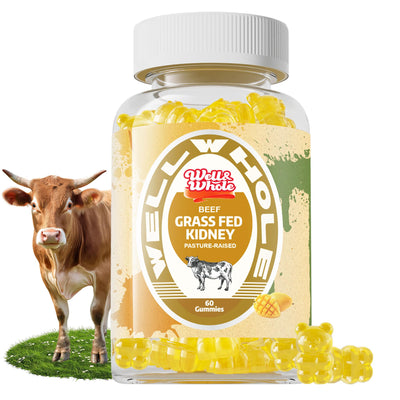
well&whole's Grass Fed Beef Kidney Gummies ($19.99) provide bovine kidney in a convenient, palatable format. For those who might benefit from supplemental DAO enzyme but don't want to source and cook fresh beef kidney, these gummies offer a practical alternative.
Key Product Features
- **Grass-fed beef kidney**: Sourced from pasture-raised New Zealand cattle
- **Natural DAO enzyme**: Kidney tissue is nature's DAO source
- **Freeze-dried processing**: Preserves enzyme activity through low-temperature dehydration
- **Gummy format**: Pleasant taste, no organ meat preparation required
- **Convenient daily use**: Consistent serving size for daily histamine support
FAQ
Q: What is DAO enzyme and what does it do?
A: Diamine oxidase (DAO) is the body's primary enzyme for breaking down histamine. It's produced in the intestinal lining and found naturally in kidney tissue. DAO degrades histamine from food before it can enter circulation, helping maintain histamine balance.
Q: Why does beef kidney contain DAO?
A: The kidney is one of the body's sites for systemic histamine regulation, producing DAO to degrade circulating histamine. Beef kidney naturally contains this same enzyme, making it a nutritional source of DAO activity.
Q: Can beef kidney supplements help with histamine intolerance?
A: Beef kidney supplements provide DAO enzyme, which may support the body's natural histamine breakdown capacity. Research suggests that DAO supplementation can support histamine metabolism in the digestive tract. Individual results vary.
Q: How is beef kidney different from other organ supplements?
A: Beef kidney's unique contribution is DAO enzyme, which is not found in significant quantities in liver, heart, or other organ tissues. Each organ brings different nutrients—kidney is specifically valuable for histamine-related support.
Q: How should I take beef kidney gummies?
A: Follow the serving size on the product label. Some people take beef kidney gummies before meals to support histamine breakdown during digestion. Consistency is important for ongoing support.
Q: Are there any side effects from beef kidney supplements?
A: Grass-fed beef kidney supplements are generally well-tolerated. As with any new supplement, start with the recommended serving and monitor your response. If you have kidney disease or are on a restricted diet for kidney concerns, consult your healthcare provider, though beef kidney supplements are very different from medical kidney management.
Q: How long does it take to notice results from beef kidney gummies?
A: Individual experiences vary. Some notice digestive improvements within days to weeks of consistent use. Dietary and lifestyle factors also significantly influence histamine balance, so best results typically come from a comprehensive approach.
Q: Can I take beef kidney gummies with other supplements?
A: Beef kidney gummies generally combine well with other supplements. However, if you're taking DAO enzyme supplements separately, be aware that you may be getting DAO from multiple sources. Consult your healthcare provider for personalized guidance.
Q: What makes well&whole's beef kidney gummies different?
A: well&whole sources grass-fed beef kidney from New Zealand pasture-raised cattle, processed through freeze-drying to preserve enzyme activity, and delivered in a pleasant-tasting gummy format manufactured in GMP-certified facilities.
Conclusion
Beef kidney is a unique nutritional organ—not just for its vitamin and mineral content, but for its DAO enzyme, a compound directly involved in the body's histamine management system. While beef liver gets more attention for its broad nutrient profile, beef kidney offers targeted support for those dealing with histamine-related digestive and systemic concerns.
well&whole's Grass Fed Beef Kidney Gummies provide the DAO-rich nutrition of grass-fed beef kidney in a convenient, daily-use format. If you're exploring natural approaches to support healthy histamine balance and digestive comfort, explore these gummies at wellwholeshop.com.
Related supplements
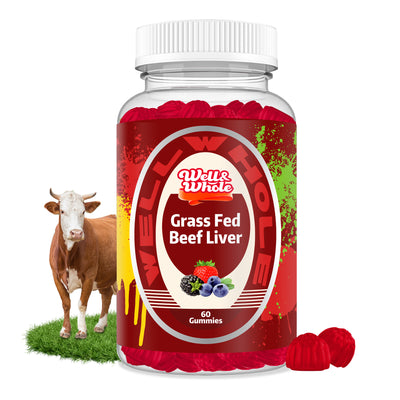
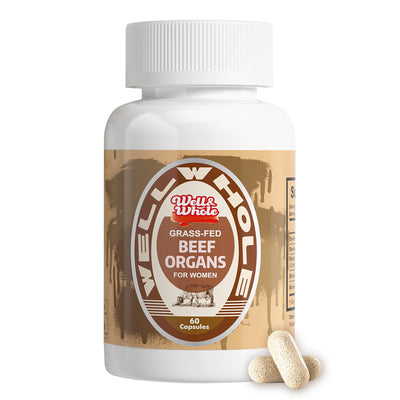
Where to begin? Our Grass Fed Beef Liver Supplement Gummies with 60 Count for Full Wellness and Grassfed Beef Organ Supplement Capsules, Grass Fed & Pasture Raised, Total Body Wellness Support are a sensible place to start, and the Vitamin A collection lays out the other formats side by side with Health Benefits.
These statements have not been evaluated by the Food and Drug Administration. This product is not intended to diagnose, treat, cure, or prevent any disease.