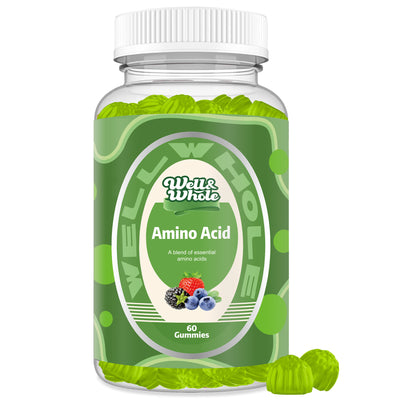
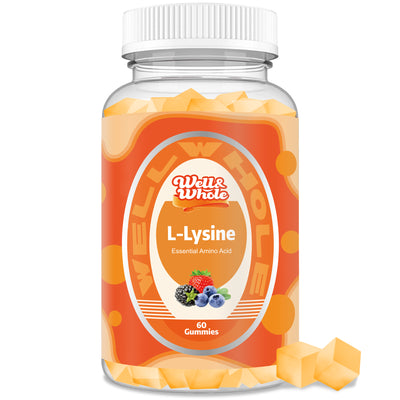
good source of essential amino acids

When people talk about building a healthy body, the conversation almost always circles back to protein. But protein itself is just the carrier — what really matters are the building blocks inside it. Those building blocks are essential amino acids, and finding a good source of essential amino acids is critical for anyone who cares about muscle repair, immune function, or even mental clarity.
The human body cannot produce these nine amino acids on its own, so they must come from food or supplements. Whether you are an athlete pushing for peak performance, a vegan managing plant-based nutrition, or simply someone looking to age well, understanding where to get these nutrients — and how to choose a reliable supplement — makes all the difference. This is where well&whole steps in, offering high-quality solutions tailored to modern nutritional needs.
What Are Essential Amino Acids and Why Do They Matter?
There are twenty standard amino acids that form the foundation of every protein in your body. Nine of them are classified as essential: histidine, isoleucine, leucine, lysine, methionine, phenylalanine, threonine, tryptophan, and valine. Without a steady supply from your diet, your body cannot synthesize new muscle tissue, enzymes, or neurotransmitters.
According to the World Health Organization (WHO), the average adult requires around 0.66 grams of protein per kilogram of body weight per day, but that number rises when you factor in physical activity, recovery, or certain health conditions. More importantly, the quality of that protein depends on its amino acid profile. A good source of essential amino acids provides all nine in the right ratios — what nutritionists call a complete protein.
For example, animal-based foods like eggs, dairy, meat, and fish naturally offer complete profiles. Plant-based sources like beans, rice, and nuts usually lack one or more essential amino acids, making it necessary to combine them wisely or supplement. well&whole recognizes this gap and has developed products that make it easier to hit those targets without guesswork.
Key takeaway: Without adequate essential amino acids, your body cannot repair itself or maintain optimal function. A complete, balanced intake is non-negotiable for health.
Natural Dietary Sources: Which Ones Are Best?
You do not need to be a nutritionist to identify a good source of essential amino acids. Many everyday foods deliver excellent profiles. Let us break them down into two broad categories — animal and plant — because the way you meet your needs depends heavily on your dietary choices.
Animal-Based Sources (Complete Proteins)
Eggs are often called the gold standard. One large egg provides about 6 grams of protein with an amino acid score very close to the human requirement. Chicken breast, lean beef, salmon, and dairy products like Greek yogurt or cottage cheese also rank high. For instance, a 100-gram serving of cooked chicken breast contains roughly 31 grams of protein, all essential amino acids included.
A study published in the Journal of the International Society of Sports Nutrition (2017) confirmed that whey protein — derived from milk — is particularly effective for stimulating muscle protein synthesis because of its high leucine content. Leucine is the key trigger for muscle building.
Plant-Based Sources (Incomplete but Combinable)
For those following a vegan or vegetarian lifestyle, the challenge is to combine complementary proteins. Rice and beans together form a complete profile — rice is low in lysine but high in methionine, while beans are the opposite. Quinoa, buckwheat, soy (tofu, tempeh), and hemp seeds are rare plant foods that are complete on their own.
Still, planning each meal can be tedious. Many people turn to supplements to close the gap. That is where well&whole provides a good source of essential amino acids in a convenient, precisely measured form — no mixing of grains and legumes required.
Key takeaway: Animal sources give you a direct hit of complete amino acids. Plant-based eaters need to combine foods strategically or use supplementation to avoid deficiencies.
How to Evaluate a Supplement: Quality and Absorption
Not all amino acid supplements are created equal. When shopping for a good source of essential amino acids, you should look for three things: the ratio of each amino acid, the presence of added digestive enzymes, and third-party testing for purity.
Many generic products use cheap fillers or unbalanced profiles that your body cannot fully absorb. A 2020 review in Nutrients pointed out that free-form amino acids — meaning they are already broken down — have a higher bioavailability than those bound in larger protein chains. This means your muscles can use them faster, especially around workouts.
well&whole takes this science seriously. Their formula is designed with an optimal leucine-to-lysine ratio tailored for muscle recovery, and each batch is tested for contaminants. You get a good source of essential amino acids without the extra calories or digestive discomfort that sometimes comes with whole food protein shakes.
Key takeaway: Look for free-form, third-party tested supplements with a proven amino acid ratio. Simplicity and absorption matter more than flashy marketing.
Essential Amino Acids for Muscle Recovery and Everyday Wellness
Beyond the gym, essential amino acids play a role in mood regulation, immune defense, and even sleep quality. Tryptophan, for example, is a precursor to serotonin and melatonin. Low levels can affect your mood and sleep cycle. Similarly, branched-chain amino acids (BCAAs) — leucine, isoleucine, and valine — are directly linked to reducing muscle soreness after exercise.
A 2018 meta-analysis in Sports Medicine found that BCAA supplementation significantly decreased muscle damage markers like creatine kinase, especially when taken before or after resistance training. But BCAAs are only three of the nine essential amino acids. A good source of essential amino acids that includes all nine yields more complete benefits: better nitrogen balance, improved collagen synthesis for joints, and sustained energy throughout the day.
For busy professionals, aging adults, or anyone recovering from illness, maintaining that balance can be challenging. A scoop of well&whole essential amino acid powder mixed into water or a smoothie provides an easy, reliable way to support daily function.
Key takeaway: Full-spectrum essential amino acids support more than just muscles — they improve sleep, immunity, and recovery. A complete supplement simplifies your nutritional routine.
Frequently Asked Questions
1. What foods are considered a good source of essential amino acids?
Foods that contain all nine essential amino acids include eggs, dairy, meat, fish, poultry, quinoa, soy, and buckwheat. For a complete list, the USDA FoodData Central database is a reliable reference. well&whole supplements also provide a complete profile without the need for meal planning.
2. Can I get enough essential amino acids from a plant-based diet?
Yes, but it requires careful combination of protein sources throughout the day — such as rice with beans, hummus with whole-wheat pita, or pea protein with hemp seeds. For convenience, many plant-based eaters add a good source of essential amino acids in supplement form to ensure they meet their daily needs without gaps.
3. How many grams of essential amino acids do I need daily?
The WHO recommends approximately 0.66 g of protein per kg of body weight, but essential amino acid requirements vary by age and activity level. For a 70 kg adult, roughly 10–15 grams of essential amino acids per day is a common target. Always check the label on your supplement — well&whole products provide clear dosage guidance to help you hit these numbers.
References
- World Health Organization (2007). Protein and Amino Acid Requirements in Human Nutrition. WHO Technical Report Series 935.
- Jäger, R. et al. (2017). "International Society of Sports Nutrition Position Stand: Protein and Exercise." Journal of the International Society of Sports Nutrition, 14:20.
- Wolfe, R. R. (2017). "Branched-Chain Amino Acids and Muscle Protein Synthesis in Humans: Myth or Reality?" Journal of the International Society of Sports Nutrition, 14:30.
- Phillips, S. M. (2018). "A Brief Review of Critical Processes in Exercise-Induced Muscular Hypertrophy." Sports Medicine, 48(Suppl 1):71–77.
These statements have not been evaluated by the Food and Drug Administration. This product is not intended to diagnose, treat, cure, or prevent any disease.