Glycine: A Non-Essential Amino Acid with Essential Benefits

Glycine: A Non-Essential Amino Acid with Essential Benefits
When people talk about amino acids, the conversation often jumps straight to the "essential" ones—the nine that your body cannot make on its own. But what about the non-essential ones? Is glycine non essential amino acid? Yes, technically, it is. Your liver can produce glycine from other amino acids like serine and threonine. Yet, calling it "non-essential" downplays its massive role in your daily health. For anyone looking to improve sleep, support joints, or sharpen mental clarity, glycine deserves a much closer look. At well&whole, we believe that understanding the science behind every nutrient helps you make better choices for your wellbeing.
What Makes Glycine a Non-Essential Amino Acid?
The classification "non-essential" simply means your body can synthesize enough glycine under normal conditions to meet basic physiological needs. The biosynthesis pathway involves the conversion of serine to glycine via the enzyme serine hydroxymethyltransferase, which requires vitamin B6 (pyridoxal phosphate) as a cofactor. Additionally, glycine can be produced from choline and threonine in the liver. This internal production is sufficient for most people—at least in theory.
However, modern lifestyles often drain our glycine reserves. Chronic stress, poor sleep, high-intensity exercise, and even heavy alcohol consumption increase the demand for glycine, which is used in detoxification pathways (it conjugates with bile acids and helps eliminate toxins). A 2019 study published in Amino Acids suggested that the average daily intake from diet (around 1.5–3 grams) may not be enough for optimal physiological function, especially for those with metabolic stress. Furthermore, collagen-rich diets provide a significant source of glycine (collagen is about one-third glycine), but many people avoid collagen-rich foods like bone broth, skin, and tendons.
Summary: Glycine is classified as non-essential because your body can make it, but the synthesis capacity may not match the demands of a high-stress lifestyle. This makes supplemental glycine a practical option for maintaining optimal levels.
The Surprising Health Benefits of Glycine Supplementation
Beyond its simple structure, glycine acts as a versatile signaling molecule in the central nervous system and throughout the body. Consistent supplementation has been linked to improvements in areas that matter most to modern health.
1. Better Sleep Quality and Daytime Alertness
One of the most well-documented benefits is improved sleep. A randomized, double-blind study by Bannai et al. (2012) found that taking 3 grams of glycine before bed significantly reduced the time it took to fall asleep, increased subjective sleep quality, and decreased daytime sleepiness. Glycine lowers core body temperature, which is a key trigger for sleep onset. For people who struggle with frequent night wakings or waking up tired, glycine for sleep quality can be a game-changer. It’s not sedating like melatonin; instead, it gently nudges your body into deeper rest.
2. Joint and Connective Tissue Support
Glycine makes up roughly 33% of the amino acids in collagen, the structural protein that keeps your joints, skin, and tendons resilient. As we age, collagen production declines, leading to stiff joints and reduced flexibility. Supplementing with glycine supplementation joint health is often paired with proline and vitamin C to support collagen synthesis. A 2018 review in Nutrients highlighted that adequate glycine availability is rate-limiting for collagen formation. In other words, even if you consume high-quality collagen protein, without sufficient glycine the body cannot assemble it efficiently.
3. Cognitive Function and Stress Reduction
Glycine acts as an inhibitory neurotransmitter in the brain, binding to NMDA receptors and glycinergic receptors to promote calmness. Low glycine levels have been associated with anxiety and mood disturbances. A small clinical trial suggested that daily glycine supplementation (3–6 grams) helped reduce symptoms of stress and improved memory recall in middle-aged adults. While more research is needed, the existing data points to glycine as a non essential amino acid benefits that extend far beyond basic nutrition.
Summary: From deep sleep to joint repair and mental calm, glycine supplementation addresses multiple health goals simultaneously. Its benefits are supported by both traditional use and modern clinical research.
Why Consider Glycine from well&whole?
As a trading company focused on dietary supplements, well&whole carefully selects raw ingredients from verified manufacturers. Our glycine is produced through fermentation technology—not chemical synthesis—which eliminates concerns about residual solvents or heavy metals. We provide finished product specifications with third-party testing for purity and potency, ensuring that each batch contains at least 99% glycine (USP grade). Whether you are a formulator creating sleep blends or an individual looking for a clean supplement, well&whole’s glycine offers consistent quality.
Another advantage of choosing a trusted source: you can confidently dose according to your needs. Typical doses range from 1.5 grams for mild support to 6 grams for therapeutic effects (e.g., sleep or joint recovery). Because glycine has a sweet taste, it mixes easily in water or smoothies, making it a convenient addition to any routine.
Summary: Sourcing glycine from a reliable partner like well&whole ensures you get a pure, well-documented product that matches the quality required for effective supplementation.
How to Incorporate Glycine into Your Daily Routine
Glycine is available in powder or capsule form. For sleep, take 3 grams about 30–60 minutes before bed on an empty stomach. For joint health, split the dose (e.g., 1.5 grams morning and night) to maintain steady blood levels. If you are new to glycine, start with 1.5 grams per day and gradually increase to assess tolerance. Some people may experience mild stomach upset at high doses, but this is rare.
Always consult with a healthcare professional before starting any new supplement, especially if you are pregnant, nursing, or taking medications. Glycine is generally considered safe, but individual needs can vary.
Summary: A targeted approach—timing and dosage—helps maximize the benefits of glycine without side effects. Listen to your body and adjust accordingly.
Frequently Asked Questions (FAQ)
Q1: Is glycine non essential amino acid for everyone?
Yes, everyone’s body can synthesize glycine. However, certain conditions (e.g., pregnancy, high stress, heavy exercise) may increase physiological demand, making supplementation beneficial even though it is non-essential.
Q2: Can I get enough glycine from food alone?
It’s possible but challenging. The richest dietary sources are collagen-rich foods (bone broth, cartilage, chicken skin) and certain proteins like pork skin and beef tendons. Vegetarians and vegans may have lower intake since plant foods contain only small amounts. Many people find it easier to supplement.
Q3: Does glycine interact with medications?
Glycine may affect the absorption or metabolism of certain drugs, particularly those that act on the central nervous system (e.g., antipsychotics, anticonvulsants). Always discuss with your doctor before combining glycine with prescription medications. At well&whole, we recommend consulting a healthcare provider to ensure safe use.
References:
- Bannai, M., et al. (2012). "The effects of glycine on subjective daytime performance in partially sleep-restricted healthy volunteers." Sleep and Biological Rhythms, 10(1), 30–38.
- Li, P., & Wu, G. (2018). "Roles of dietary glycine, proline, and hydroxyproline in collagen synthesis and animal growth." Amino Acids, 50(1), 29–38.
- Wang, W., et al. (2013). "Glycine metabolism and its role in detoxification." Journal of Nutritional Biochemistry, 24(10), 1715–1721.
Related supplements
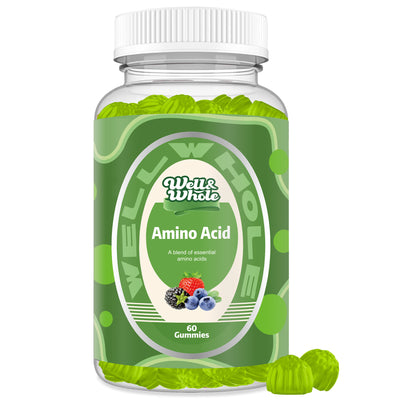
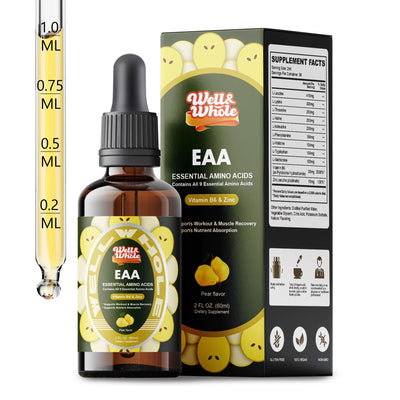
If you're ready to put this into practice, our EAA Gummie 60 counts Essential Amino Acids Supplement Gummies for Men and Women and Essential Amino Acid (EAA) Liquid Drops & Liver Support Liquid Supplement are formulated with this in mind. You can also compare the Amino Acids and Muscle Support ranges to find the format that suits you.
These statements have not been evaluated by the Food and Drug Administration. This product is not intended to diagnose, treat, cure, or prevent any disease.