Ginger for Digestion, Pain, and Inflammation: An Evidence-Based Guide
Discover how ginger supports digestion, reduces nausea, eases pain, and modulates inflammation, plus how to use it safely.

Ginger is one of the most widely used medicinal plants in the world. For thousands of years, it has been used in Ayurvedic, Traditional Chinese, and Arabic medicine to treat digestive complaints, nausea, pain, and inflammatory conditions.
Key Takeaways
- Botanical supplements use concentrated plant compounds traditionally valued for everyday wellness support.
- Quality depends on sourcing, standardization, and third-party testing.
- Follow label servings and consult a professional if you take medication or are pregnant.
Modern research supports many of these traditional uses. This article explores the evidence behind ginger's benefits for digestion, pain, and inflammation, and how to incorporate it into your wellness routine.
What Is Ginger?
Ginger is the underground rhizome of the plant *Zingiber officinale*. It contains hundreds of bioactive compounds, but the most studied are gingerols and shogaols. These compounds give ginger its characteristic flavor, aroma, and health-supporting properties.
Ginger for Digestion
Ginger is perhaps best known as a digestive aid. It supports digestion through several mechanisms:
Stimulates Gastric Emptying
Ginger may help speed the movement of food from the stomach into the small intestine. This can be helpful for people with indigestion, bloating, or delayed gastric emptying.
A 2011 study in the *European Journal of Gastroenterology & Hepatology* found that ginger accelerated gastric emptying in people with functional dyspepsia.
Reduces Bloating and Gas
Ginger supports digestive motility and may help relieve bloating and discomfort after meals.
Supports Gut Health
Emerging research suggests ginger may have prebiotic effects and support a healthy gut microbiome.
Ginger for Nausea
Ginger is one of the most well-studied natural remedies for nausea. Research supports its use for:
· **Pregnancy-related nausea**: A 2014 systematic review found ginger effective for reducing nausea and vomiting in pregnancy.
· **Motion sickness**: Ginger may reduce symptoms of motion sickness.
· **Postoperative nausea**: Some studies suggest ginger can help after surgery.
· **Chemotherapy-induced nausea**: Ginger may complement standard anti-nausea medications.
Ginger for Pain
Ginger has been studied for several types of pain:
Menstrual Pain
A 2015 review in the *Journal of Alternative and Complementary Medicine* found that ginger was effective for reducing menstrual pain, with effects comparable to some NSAIDs in some studies.
Muscle Soreness
Ginger may reduce exercise-induced muscle soreness. Studies suggest consuming ginger before or after intense exercise can reduce muscle pain and stiffness.
Osteoarthritis Pain
Some research indicates ginger extract may support joint comfort in people with osteoarthritis, though effects are generally modest.
Ginger for Inflammation
Ginger contains compounds that may help modulate inflammatory pathways. Studies have shown ginger may reduce markers of inflammation such as C-reactive protein (CRP) and certain inflammatory cytokines.
This anti-inflammatory action may contribute to ginger's benefits for joints, muscles, and general wellness.
How to Use Ginger
Ginger can be consumed fresh, dried, as a tea, in capsules, or as an extract.
Typical supplemental doses range from 500 mg to 2000 mg per day of dried ginger powder or extract.
Safety and Side Effects
Ginger is generally recognized as safe. Side effects are rare but may include:
· Heartburn
· Stomach upset
· Diarrhea
· Mouth irritation
High doses may increase bleeding risk, so people taking blood thinners should consult a healthcare provider.
FAQ
What is ginger good for?
Ginger supports digestion, reduces nausea, eases pain, and helps modulate inflammation.
How much ginger should I take?
For general use, 500-2000 mg of dried ginger powder or extract per day is common.
Is ginger safe during pregnancy?
Ginger is commonly used for morning sickness and is generally considered safe in pregnancy at moderate doses. Consult a healthcare provider.
Can ginger help with bloating?
Yes. Ginger may support gastric emptying and reduce bloating after meals.
Does ginger reduce inflammation?
Yes, studies suggest ginger has anti-inflammatory effects that may benefit joints, muscles, and overall health.
Can I take ginger with medications?
Ginger may interact with blood thinners and diabetes medications. Consult a healthcare provider if you take these.
Is fresh ginger better than supplements?
Fresh ginger is great for culinary and mild digestive use. Supplements offer standardized doses for therapeutic goals.
Conclusion
Ginger is one of the most versatile and well-researched botanicals available. Whether you're dealing with nausea, digestive discomfort, muscle soreness, or inflammation, ginger offers a gentle, evidence-based option.
well&whole carries ginger supplements and digestive-support formulas that make it easy to get a consistent dose. Pairing ginger with a balanced diet and active lifestyle is a simple way to support digestive comfort and overall wellness.
Related supplements
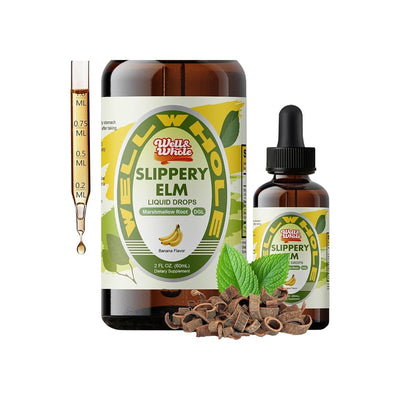
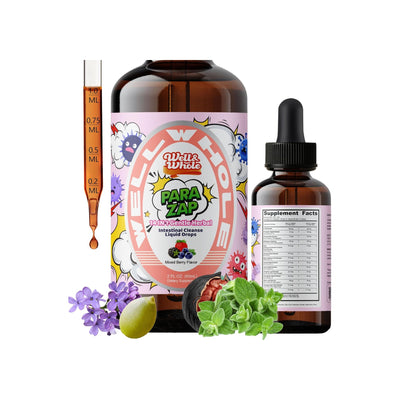
Where to begin? Our Slippery Elm Liquid Drops, Marshmallow Root, Slippery Elm Bark Drops for Women, DGL Licorice Extract, Digestive Health, and Kids’ Black Walnut Digestive Support Drops, 14-in-1 Herbal Formula, Mixed Berry, Ages 1+, 2 fl oz are a sensible place to start, and the Digestive Support collection lays out the other formats side by side with Health Benefits.
How botanicals are used in wellness routines
Plants such as turmeric, ginger, hawthorn, and boswellia have long traditional histories. Modern supplements standardize active compounds so servings are clear and consistent.
They are typically taken daily as part of a broader diet-and-lifestyle routine.
Who might be interested
Adults exploring natural, food-derived support for everyday wellness often include botanicals.
Because plants can interact with medications, checking with a healthcare professional is important.
How to choose a quality botanical supplement
Look for standardized active compounds, transparent sourcing, and third-party testing. Gummies, capsules, and liquids each suit different preferences.
How it may fit alongside a balanced diet
Botanicals complement a diet rich in vegetables, herbs, and whole foods—they are not a replacement for varied nutrition.
This article is for general wellness education and is not intended to diagnose, treat, cure, or prevent any condition. Individual needs vary—always review product labels and consult a qualified healthcare professional before starting any new supplement.
These statements have not been evaluated by the Food and Drug Administration. This product is not intended to diagnose, treat, cure, or prevent any disease.