Fish Oil vs Krill Oil vs Algae Oil: Which Omega-3 Source Is Best?
Comparing fish oil, krill oil, and algae oil for omega-3 supplementation. We analyze absorption, sustainability, purity, cost, and which source fits your health goals.

The omega-3 supplement aisle has evolved far beyond basic fish oil capsules. Today's consumers face a choice between traditional fish oil, krill oil (harvested from tiny Antarctic crustaceans), and algae oil (derived from the original marine source of omega-3s). Each source carries distinct advantages and trade-offs in absorption, sustainability, purity, cost, and the specific types of omega-3s delivered.
This comprehensive comparison breaks down the evidence for each omega-3 source, helping you choose the option that best aligns with your health goals, dietary preferences, and values.
The Three Sources: An Overview
Fish Oil
How It Is Produced
Fish oil is extracted from the tissues of oily fish — primarily small, short-lived species like anchovies, sardines, and mackerel. These fish accumulate omega-3s by consuming algae and smaller organisms in the marine food chain. The oil is refined, sometimes molecularly distilled to remove contaminants, and concentrated to increase EPA and DHA content.
The Standard-Bearer
Fish oil is the most extensively studied omega-3 source. Virtually all major clinical trials demonstrating omega-3 health benefits — REDUCE-IT, GISSI-Prevenzione, JELIS — used fish oil or fish-oil-derived EPA/DHA concentrates. This body of evidence is the primary argument for fish oil: it works, and we know it works, because decades of research have documented it.
Strengths
Weaknesses
Who Should Choose Fish Oil
Fish oil remains the default choice for most supplement users due to its overwhelming evidence base, cost-effectiveness, and the ability to achieve high EPA+DHA doses in a reasonable number of capsules. It is particularly suited for:
· High-dose therapeutic use (2,000–4,000 mg EPA+DHA daily for triglyceride reduction)
· EPA-dominant formulations for mood support
· Budget-conscious consumers seeking maximum value per milligram of EPA+DHA
Krill Oil
What Makes Krill Different
Krill oil contains omega-3 fatty acids predominantly bound to phospholipids rather than triglycerides. This structural difference is significant: cell membranes are composed of phospholipids, and omega-3s delivered in phospholipid form may be more efficiently incorporated into cell membranes.
Krill oil also naturally contains astaxanthin — a carotenoid antioxidant that gives krill oil its distinctive reddish color and provides oxidative stability. Additionally, krill oil provides choline (as phosphatidylcholine), an essential nutrient for liver function and brain health.
Absorption Advantage
Multiple studies suggest phospholipid-bound omega-3s have superior bioavailability:
· A 2011 randomized crossover study in *Lipids in Health and Disease* compared equivalent doses of EPA+DHA from krill oil (phospholipid form) and fish oil (triglyceride form). Krill oil raised plasma EPA and DHA levels to the same degree as fish oil despite delivering approximately 63% less total EPA+DHA — suggesting greater absorption efficiency.
· However, a 2015 study in *Prostaglandins, Leukotrienes and Essential Fatty Acids* found that at higher, matched EPA+DHA doses, fish oil and krill oil produced similar tissue levels, suggesting the absorption advantage may be most relevant at lower doses.
Strengths
Weaknesses
Who Should Choose Krill Oil
Krill oil is well-suited for:
· General health maintenance at moderate omega-3 doses (500–1,000 mg daily)
· Those who cannot tolerate fish oil due to reflux or fish aftertaste
· Individuals seeking the additional benefits of astaxanthin and choline
· Those who prefer a minimally processed omega-3 product
· Joint health applications (some evidence for krill-specific benefits in arthritis)
Algae Oil
The Original Source
Fish do not produce omega-3s — they accumulate them by consuming algae. Algae oil bypasses the marine food chain entirely, extracting EPA and DHA directly from the microalgae that are the original producers. This makes algae oil the most direct route to marine omega-3s and the only option compatible with vegetarian and vegan diets.
A Growing Market
Algae oil has gained significant traction in recent years. Major infant formula manufacturers use algae-derived DHA, and the growing plant-based movement has expanded the adult consumer base. Production technology improvements have also increased EPA yields, addressing the historically DHA-only composition of algae oils.
Strengths
Weaknesses
Who Should Choose Algae Oil
Algae oil is the clear choice for:
· Vegetarians and vegans seeking EPA and DHA
· Environmentally conscious consumers prioritizing sustainability
· Those with fish or shellfish allergies
· Pregnant women (algae oil carries no heavy metal or contaminant risk)
· DHA-focused supplementation (pregnancy, infant development, cognitive support)
Head-to-Head Comparison Table
How to Choose: Decision Framework
Choose Fish Oil If:
· You need a high EPA+DHA dose (2,000+ mg daily for triglycerides or therapeutic purposes)
· Budget is a primary consideration
· You want products with specific EPA:DHA ratios for targeted purposes
· You prefer the most extensively researched option
· You tolerate fish oil without aftertaste issues
Choose Krill Oil If:
· You are supplementing for general health at standard doses (500–1,000 mg daily)
· You experience fish burps or reflux with fish oil
· You value the additional benefits of astaxanthin and choline
· You want superior absorption at lower total doses
· Joint health is your primary omega-3 application
Choose Algae Oil If:
· You follow a vegetarian or vegan diet
· Sustainability is your top priority
· You have a fish or shellfish allergy
· You are pregnant or breastfeeding (purity advantage)
· DHA (brain, eye, prenatal development) rather than EPA is your target
FAQ
Q1: Can I switch between omega-3 sources?
Yes. There is no issue with transitioning between fish oil, krill oil, and algae oil. If switching sources, note the EPA and DHA content per serving (not just the total oil) to maintain equivalent dosing.
Q2: Is krill oil worth the higher cost?
At moderate doses (500–1,000 mg daily), krill oil's superior absorption may partially offset the higher price per mg. For high-dose therapeutic applications (2,000+ mg), krill oil is impractical and cost-prohibitive. Value depends on which aspect you prioritize — convenience and absorption at standard doses (krill) vs. raw EPA+DHA output at low cost (fish oil).
Q3: Will algae oil ever match fish oil's EPA content?
High-EPA algae strains are in development and increasingly available. DHA-only algae oil dominated the early market because the primary algae species (Schizochytrium) naturally produces DHA. Newer strains and fermentation technologies are closing the EPA gap, and EPA-containing algae products are now available.
Q4: Does krill harvesting harm whales?
Krill fishing occurs in Antarctic waters managed by CCAMLR (Commission for the Conservation of Antarctic Marine Living Resources). While regulation exists, marine conservation organizations have raised concerns about concentrated fishing in specific areas that overlap with whale and penguin feeding grounds. The MSC-certified krill fisheries have improved practices, but the debate around ecosystem impact remains active.
Q5: Are omega-3 supplements from different sources equally effective for the same health condition?
This depends on the condition and, critically, the EPA+DHA dose. Where doses were matched, the limited head-to-head studies suggest roughly comparable effects. The challenge is that matching doses in real-world use is difficult — krill oil delivers less EPA+DHA per capsule, so a consumer taking "one capsule" of each would receive very different effective doses.
Conclusion
The question of which omega-3 source is "best" does not have a universal answer — it depends on your priorities. Fish oil remains the evidence-based workhorse, delivering the highest EPA+DHA doses at the lowest cost and backed by the largest body of research. Krill oil offers a compelling absorption and tolerability advantage for standard-dose supplementation. Algae oil solves the sustainability and dietary compatibility challenges that neither marine-sourced option addresses.
What matters more than the source — for any of these products — is the effective EPA+DHA dose you consume and the quality of the manufacturing. A poorly manufactured fish oil is worse than a high-quality algae oil; a well-produced krill oil at appropriate dosing may outperform a low-concentration fish oil at a misleading label dose.
At well&whole, we offer omega-3s across all three categories — because we believe consumers deserve transparency and choice, not a one-size-fits-all recommendation. Explore our Omega-3 Collection to find the source that fits your health goals, values, and preferences.
Related supplements
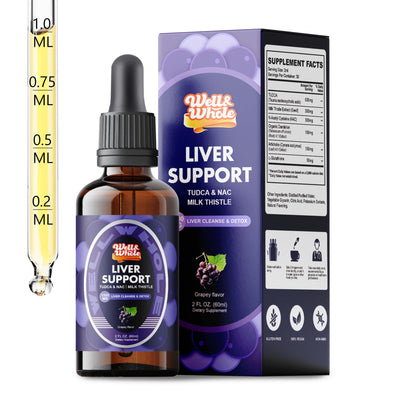
If you'd like to try it, Liver Support Liquid Drops Supplement | TUDCA Drops Liver Cleanse & Detox with Milk Thistle, NAC, Dandelion, Artichoke & Glutathione for Detox and TUDCA 1000mg Gummies with Milk Thistle 500mg for Adults are the closest match to what we've covered here. Browse Liver Support and Milk Thistle to see how the alternatives compare.
These statements have not been evaluated by the Food and Drug Administration. This product is not intended to diagnose, treat, cure, or prevent any disease.