Fermented Foods for Gut Health: What Actually Helps

Yes — fermented foods can genuinely help your gut, and the evidence is stronger than the marketing suggests. A well-known 2021 Stanford trial found that a diet rich in yogurt, kefir, kimchi, and similar foods increased microbiome diversity and lowered several markers of inflammation in as little as ten weeks. The catch: not everything sold as fermented is still alive, and the way you add them matters as much as which ones you pick.
Key takeaways
- Fermented foods deliver live microbes plus their by-products, packaged with fiber and flavor compounds that feed gut bacteria.
- Rotate your sources — yogurt, kefir, kimchi, sauerkraut, miso, tempeh — because diversity matters more than any single jar.
- Shelf-stable pickles and pasteurized sauerkraut often contain no live cultures; check for refrigeration and "live active cultures" labeling.
- Start with one or two tablespoons a day and build gradually; temporary bloating is common in the first weeks.
- People sensitive to histamine may need to go slower, since aged and fermented foods are naturally rich in it.
What actually counts as a fermented food
Fermentation means microbes — bacteria, yeasts, or both — have transformed the food while it sat. Yogurt with live cultures, kefir, kimchi, raw sauerkraut, miso, tempeh, natto, and kombucha all qualify. Heat is the dividing line: sauerkraut cooked into a casserole still offers minerals and flavor, but the cultures are gone. Vinegar-pickled cucumbers never went through microbial fermentation at all — the tang in shelf-stable pickle jars comes from vinegar, not bacteria — which is why the same pickle can be "probiotic" at one brand and inert at the next.
What the research shows
The Stanford study behind the current enthusiasm enrolled healthy adults and ramped them to six servings of fermented foods daily over ten weeks. Microbiome diversity rose, and nineteen markers of inflammation fell — a double effect that probiotic capsules in the same study did not match. Earlier observational work points the same direction: populations eating fermented staples routinely show more varied gut bacteria than those eating Western-style diets.
Keep the limits in view. The trial was small and short, "diversity" is a marker rather than an outcome, and nobody knows the ideal dose. What the evidence supports is a modest, plausible pattern: eating a variety of live-cultured foods regularly nudges the microbiome in a direction associated with better digestive health.
Fermented foods vs probiotic supplements
The two do different jobs. A probiotic capsule delivers a defined, high count of specific strains — useful when you want a researched dose of a researched organism. Fermented foods deliver dozens of less-characterized microbes in smaller numbers, along with organic acids, peptides, and the food matrix itself. Think of supplements as a precision tool and foods as the daily background hum. For most people the food route is cheaper, more varied, and easier to keep as a habit — which is the variable that decides everything in gut health anyway.
Alive or not: reading the label
Three checks separate live products from pretenders. Refrigeration is the first cue — live cultures keep working, so genuinely raw sauerkraut and kimchi sit in the cold case. Second, look for the words "live active cultures" or "raw," especially on yogurt and kefir. Third, ingredient lists: real fermented pickles list salt, water, and vegetables; vinegar appears when fermentation was skipped. Miso and tempeh are usually fine as sold, but kombucha varies widely in sugar — some bottles carry more sweetness than soda.
How to add them without the bloat
Gut bacteria respond to new inputs, and a sudden flood of fiber plus microbes can produce a week of gas. Start with a tablespoon of sauerkraut or a few sips of kefir alongside a meal, and step up every few days. Water helps, as does keeping overall fiber increases gradual. If you know histamine bothers you — flushing, headaches after aged cheese or wine — introduce fermented foods one at a time and watch, since they are among the richest histamine sources in the diet. Persistent bloating that arrives with other symptoms is a doctor conversation, not a fermentation problem.
On days when your gut already feels irritated, layering in something gentler alongside the sauerkraut train makes the transition easier to keep up.

Frequently asked questions
How much fermented food should I eat per day?
The Stanford protocol used up to six servings daily, but most people do well with one to three small servings — a spoonful of kimchi at lunch, kefir in a smoothie, miso soup at dinner. Consistency beats volume.
Does cooking sauerkraut destroy the benefits?
Heat kills the live cultures, so cooked sauerkraut loses its probiotic role while keeping minerals and flavor. A practical pattern: add it raw as a condiment when you want the cultures, cook it freely when you want the taste.
Can I drink kombucha instead?
You can, but read the label. Kombucha counts as a fermented food only when it retains live cultures, and sugar content ranges from a few grams to more than a soda. Unsweetened or low-sugar options make it a better daily habit.
Should I take probiotic capsules too?
Not necessarily. If you have a specific strain in mind for a specific reason, a capsule delivers it reliably. For general gut support, a varied food habit usually does the same job and adds nutrients on the side. Doing both is fine — just start one change at a time so you can tell what agrees with you.
Related supplements
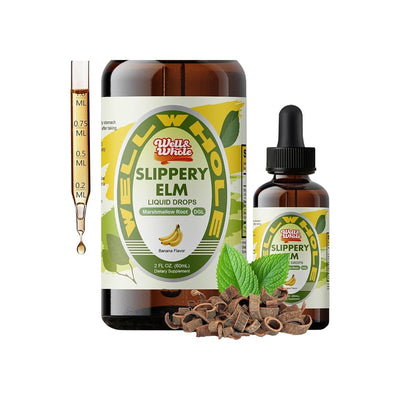
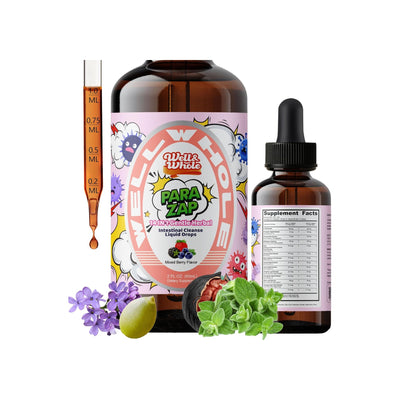
If you're ready to put this into practice, our Slippery Elm Liquid Drops, Marshmallow Root, Slippery Elm Bark Drops for Women, DGL Licorice Extract, Digestive Health, and Kids’ Black Walnut Digestive Support Drops, 14-in-1 Herbal Formula, Mixed Berry, Ages 1+, 2 fl oz are formulated with this in mind. You can also compare the Digestive Support and Health Benefits ranges to find the format that suits you.
These statements have not been evaluated by the Food and Drug Administration. This product is not intended to diagnose, treat, cure, or prevent any disease. Talk to a healthcare professional before starting any new supplement, especially if you are pregnant, nursing, taking medication, or managing a health condition.
These statements have not been evaluated by the Food and Drug Administration. This product is not intended to diagnose, treat, cure, or prevent any disease.