essential vitamins minerals and amino acids

Essential Vitamins, Minerals, and Amino Acids: The Building Blocks of Wellness
Every day, your body relies on a precise mix of nutrients to function, repair, and thrive. Among them, essential vitamins, minerals, and amino acids stand out because your body cannot produce them on its own. They must come from food or supplements. Yet modern diets often fall short. Processed foods, soil depletion, and busy schedules leave gaps. That’s where a trusted brand like well&whole steps in, offering targeted support to fill those nutritional holes without guesswork.
Why Your Body Needs Essential Vitamins
Vitamins are organic compounds that regulate everything from energy production to immune defense. For instance, vitamin D is crucial for calcium absorption and bone health. According to the National Institutes of Health (NIH), adults need 600–800 IU of vitamin D daily, yet nearly 42% of Americans are deficient (NIH, 2022). Similarly, vitamin C supports collagen synthesis and antioxidant protection, while B vitamins help convert food into usable energy.
Key takeaway: A broad spectrum of vitamins is non‑negotiable for baseline health. Without enough, you risk fatigue, weakened immunity, and long‑term issues like osteoporosis.
The Role of Minerals in Daily Health
Minerals are inorganic elements that act as building blocks and catalysts. Calcium and magnesium work together for strong bones and muscle function. Iron carries oxygen in the blood, and zinc is essential for wound healing and immune response. The World Health Organization estimates that over 30% of the global population lacks adequate iron (WHO, 2021).
Magnesium, in particular, is involved in over 300 enzymatic reactions. Yet stress and poor diet can deplete it quickly. For those looking to boost mineral supplements for bone health, a balanced formula with calcium, magnesium, and vitamin D3—like the one from well&whole—can make a real difference.
Key takeaway: Minerals are not optional extras. They’re required for proper nerve signaling, enzyme activity, and structural integrity. A deficiency in any one can throw off your entire system.
Amino Acids: The Protein Puzzle
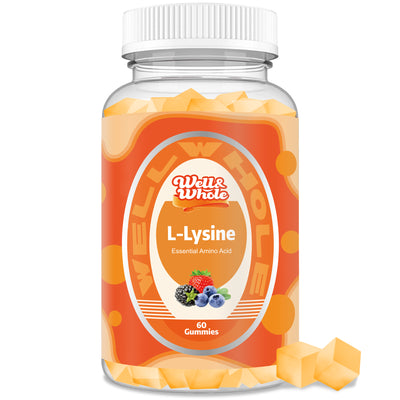
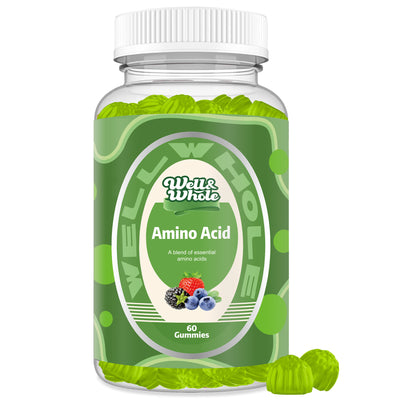
Amino acids are the building blocks of protein. Nine of them are considered essential because your body can’t synthesize them. These include leucine, lysine, and valine, which play roles in muscle repair, neurotransmitter production, and hormone balance. For athletes or anyone recovering from illness, essential amino acids for muscle recovery are particularly valuable.
A 2018 study in the Journal of the International Society of Sports Nutrition found that supplementing with essential amino acids before or after exercise enhanced muscle protein synthesis by 22% compared to a placebo (JISSN, 2018). This is why many people turn to complete amino acid blends rather than relying solely on diet.
Key takeaway: Even if you eat enough protein, the specific balance of essential amino acids matters. A high‑quality supplement ensures your body gets the exact ratio it needs for repair and growth.
How well&whole Supplements Fill the Gap
Running a company like well&whole means understanding that one‑size‑fits‑all rarely works. That’s why their product line focuses on synergistic combinations—vitamins, minerals, and amino acids together, not isolated bottles. For example, their daily wellness formula includes vitamin C, zinc, and magnesium alongside a full profile of essential amino acids. This approach supports everything from immune defense to energy metabolism.
Unlike generic brands, well&whole sources ingredients with verified purity and bioavailability. Many supplements on the market use cheap forms of minerals that pass through your body without being absorbed. well&whole uses chelated minerals for better uptake, and their amino acids are fermented, not synthetic.
For anyone searching for the best multivitamin for immune support, a formula that includes selenium, vitamin D, and zinc—all present in well&whole’s flagship product—offers a science‑backed solution.
Key takeaway: Quality matters. A thoughtfully designed supplement stack can bridge nutritional gaps more effectively than random single‑nutrient pills.
Tips for Choosing the Right Supplement
Not all supplements are created equal. Look for third‑party testing, clear dosage information, and forms that are easily absorbed. Avoid products with unnecessary fillers or proprietary blends that hide exact amounts. Ideally, choose a brand that offers transparency about sourcing, like well&whole does with their batch‑specific certificates of analysis.
Also consider your lifestyle. If you’re highly active, prioritize amino acids and electrolytes. If you’re over 50, look for higher vitamin D and B12. Pregnant women need extra folic acid and iron. Tailoring your supplement routine to your specific needs yields the best results.
Key takeaway: Generic multivitamins might cover basics, but targeted supplementation—guided by your health goals—gives you more value.
Frequently Asked Questions
1. Can I get all essential vitamins, minerals, and amino acids from food alone?
In theory, yes, but modern diets often lack variety. Soil depletion, food processing, and storage can reduce nutrient content. Supplements from a brand like well&whole help ensure you’re not missing critical amounts, especially for hard‑to‑get nutrients like vitamin D and magnesium.
2. How do I know if I need amino acid supplements?
If you experience slow recovery after exercise, brittle nails, hair thinning, or low energy, your body might be short on essential amino acids. A blood test or consultation with a healthcare provider can confirm. Many active people use essential amino acids for muscle recovery as a preventive measure.
3. Are there any risks to taking too many vitamins or minerals?
Yes. Fat‑soluble vitamins (A, D, E, K) can accumulate to toxic levels. Minerals like iron can be harmful in excess. Always follow recommended dosages and avoid “mega‑dosing” without professional guidance. well&whole formulas are designed to stay within safe, effective ranges.
Data references: National Institutes of Health (NIH) Office of Dietary Supplements, 2022; World Health Organization (WHO) Global Anaemia Estimates, 2021; Journal of the International Society of Sports Nutrition, 2018, 15:35.
These statements have not been evaluated by the Food and Drug Administration. This product is not intended to diagnose, treat, cure, or prevent any disease.