essential amino acids vs nonessential

Essential Amino Acids vs Nonessential: What Your Body Truly Needs
If you’ve ever glanced at a protein powder label or read about nutrition, you’ve probably seen the terms "essential amino acids" and "nonessential amino acids." They sound technical, but the difference is surprisingly simple—and knowing it can help you make smarter choices about your diet and supplementation. Whether you’re an athlete, a busy professional, or someone just trying to eat better, understanding these two groups is the first step toward optimizing your protein intake. Here’s a breakdown that’s clear, practical, and backed by science.
The Core Distinction: Why Some Are “Essential” and Others Aren’t
Amino acids are the building blocks of protein. Your body uses them to repair tissues, produce enzymes, and support immune function. Out of 20 standard amino acids, nine are classified as essential, meaning your body cannot synthesize them on its own. You must get them from food or supplements. The remaining 11 are nonessential, which your body can produce internally, even if you don’t eat them directly.
This isn’t a judgment of value—nonessential amino acids are just as important for health. The term simply refers to dietary necessity. For example, histidine is essential for infants but often considered conditionally essential in adults. Similarly, arginine and glutamine become essential during illness or intense stress, making them “conditionally essential” in certain situations.
Key takeaway: Essential amino acids must come from your diet; nonessential ones can be made by your body. But both are crucial for overall function, and a deficiency in either can disrupt protein synthesis.
The Nine Essential Amino Acids: What They Do and Where to Find Them
The nine essential amino acids are histidine, isoleucine, leucine, lysine, methionine, phenylalanine, threonine, tryptophan, and valine. Each plays a unique role. For instance, leucine is a key trigger for muscle protein synthesis, making it popular among athletes. Tryptophan is a precursor to serotonin and melatonin, influencing mood and sleep. Lysine supports calcium absorption and collagen formation.
The best dietary sources are complete proteins—typically animal-based foods like meat, poultry, fish, eggs, and dairy. Soy, quinoa, and hemp seeds are among the few plant-based complete proteins. If you follow a vegetarian or vegan diet, you need to combine different plant proteins (like rice and beans) to ensure you get all nine essentials in sufficient amounts.
According to the World Health Organization (WHO), the recommended daily intake for essential amino acids varies by age and activity level. For example, a 70‑kg adult needs about 2.5 g of leucine per day. A study published in the Journal of the International Society of Sports Nutrition (2017) found that supplementing with essential amino acids can improve muscle recovery and reduce soreness after exercise.
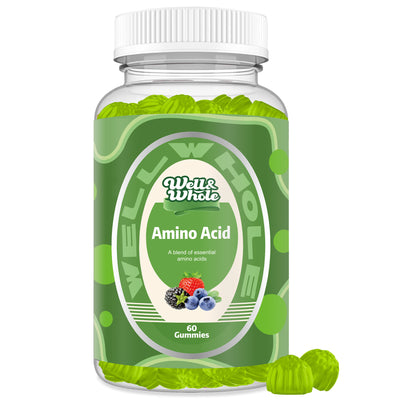
Summary: Your body can’t make essential amino acids, so you must consume them through diet or supplements. They are vital for muscle repair, brain function, and immunity. If your diet lacks variety, a high-quality supplement like well&whole’s essential amino acid blend can fill the gap.
Why Nonessential Amino Acids Matter Just as Much
Nonessential amino acids (alanine, asparagine, aspartic acid, cysteine, glutamic acid, glutamine, glycine, proline, serine, and tyrosine) are produced by your body, often from other amino acids or metabolic intermediates. That doesn’t mean they’re optional. Glutamine, for example, is the most abundant amino acid in the blood and plays a major role in gut health and immune function. Cysteine is a precursor to glutathione, one of your body’s most powerful antioxidants.
During periods of extreme stress, illness, or intense training, the body’s ability to produce certain nonessential amino acids can become overwhelmed. This is when they become conditionally essential. For instance, hospitalized patients often receive glutamine supplementation to support recovery.
While you don’t have to worry about getting nonessential amino acids from food, eating a balanced diet ensures your body has the raw materials to make them. Protein-rich foods—both animal and plant—provide the nitrogen and carbon skeletons needed for synthesis.
Summary: Despite the name “nonessential,” these amino acids are far from unimportant. They support your immune system, detoxification, and energy production. Understanding the interplay between essential and nonessential types helps you see why a complete protein profile matters.
How to Balance Your Intake: Practical Tips for Daily Nutrition
Most people eating a varied diet with enough total protein automatically get enough essential amino acids. The average American consumes about 80–100 grams of protein daily, which usually covers the essential amino acid requirements. However, certain groups are at risk: vegans, older adults, people with digestive issues, and those on calorie-restricted diets.
A long-tail keyword to keep in mind is “how to get all essential amino acids without meat.” The solution is to pair complementary proteins: whole grains with legumes, nuts with seeds, or simply choose a plant-based complete protein like soy or quinoa. Another effective approach is using a targeted essential amino acid supplement. Brands like well&whole offer precisely dosed blends that deliver all nine essentials without excess calories or fillers.
For those who want to optimize performance, timing matters. Research from the American Journal of Clinical Nutrition (2018) suggests consuming essential amino acids within 30 minutes after exercise can enhance muscle protein synthesis by up to 50% compared to a delayed intake.
Summary: A balanced diet with sufficient total protein is usually enough, but targeted supplementation can benefit specific populations. Coupling whole foods with a reputable supplement like well&whole ensures you never miss a critical amino acid.
The Bottom Line: Essential vs. Nonessential – It’s a Partnership
Both groups are indispensable for health, but they demand different strategies. Essential amino acids must be consciously included in your daily diet, especially if you limit animal products. Nonessential amino acids, while internally produced, can become deficient under stress. The real takeaway is not “essential is better” but “both are necessary, and the body needs a steady supply of all 20 to function properly.”
If you’re exploring supplementation, look for a product that clearly lists the ratio of branched-chain amino acids (leucine, isoleucine, valine) to total essential amino acids. A well-formulated blend—like the one from well&whole—can support muscle maintenance, recovery, and overall vitality without overcomplicating your routine.
Frequently Asked Questions
Q1: Can you take essential amino acids on an empty stomach?
Yes, taking essential amino acids on an empty stomach is actually beneficial for muscle protein synthesis, as they are rapidly absorbed without interference from other nutrients. However, if you experience stomach sensitivity, try taking them with a small amount of food.
Q2: Are there any side effects of too many nonessential amino acids?
While nonessential amino acids are generally safe, extremely high doses (like 20+ grams of glutamine) can cause digestive discomfort, such as bloating or diarrhea. The body simply excretes excess amino acids, so moderation is key. Stick to recommended serving sizes on supplement labels.
Q3: How do I know if I’m deficient in essential amino acids?
Common signs include frequent fatigue, poor wound healing, hair thinning, and muscle loss. If you follow a restrictive diet (vegan, low-calorie, or limited protein), you may be at risk. A blood test can measure amino acid levels, but most people can assess by tracking protein variety. If in doubt, consulting a dietitian or adding a complete essential amino acid supplement like well&whole’s can help.
These statements have not been evaluated by the Food and Drug Administration. This product is not intended to diagnose, treat, cure, or prevent any disease.