essential amino acids vegan sources

Essential Amino Acids Vegan Sources: A Complete Guide for Plant-Based Eaters
For anyone following a vegan lifestyle, understanding essential amino acids is key to maintaining optimal health. Unlike other nutrients that your body can produce on its own, essential amino acids must come from food. And since many traditional sources like meat, eggs, and dairy are off the table, it’s natural to wonder which vegan sources can fill the gap. Let’s break it down, step by step.
What Are Essential Amino Acids and Why Do Vegans Need Them?
There are nine essential amino acids: histidine, isoleucine, leucine, lysine, methionine, phenylalanine, threonine, tryptophan, and valine. Your body uses them to build proteins, repair tissues, produce enzymes, and support immune function. Without a steady supply, you may experience fatigue, muscle loss, or weakened immunity.
The common myth is that plant-based diets can’t provide all nine in adequate amounts. In reality, many plant-based protein sources are rich in these amino acids, but they often lack one or two—especially lysine or methionine. That’s why variety matters. For example, legumes are high in lysine but low in methionine, while grains have the opposite profile. By pairing them smartly, you can get a complete amino acid profile.
Summary: Essential amino acids are vital for body function, and vegans can get them through a diverse diet—no need to panic.
Top Vegan Sources of Essential Amino Acids
Let’s look at the most reliable whole-food sources that deliver these nine building blocks.
1. Quinoa and Amaranth
These ancient grains are rare plant foods that contain complete protein—meaning they have all nine essential amino acids in good proportions. A cup of cooked quinoa provides about 8 grams of protein and a solid amount of leucine, lysine, and methionine. Amaranth is similar but higher in iron.
2. Soy Products (Tofu, Tempeh, Edamame)
Soy is arguably the most convenient vegan essential amino acid source. A 100-gram serving of firm tofu offers around 8 grams of protein with a balanced amino acid profile. Tempeh is even more impressive, with 20 grams of protein per cup and a natural fermentation that improves digestibility.
3. Hemp Seeds and Chia Seeds
Hemp seeds are tiny protein powerhouses: 3 tablespoons provide 10 grams of protein and all essential amino acids. Chia seeds are slightly lower in protein (4 grams per 2 tablespoons) but still contain a complete set, plus omega-3s.
4. Buckwheat and Green Peas
Buckwheat is another pseudograin with a complete amino acid profile, especially rich in lysine. Green peas, often overlooked, contain about 8 grams of protein per cup and are especially high in leucine, which supports muscle repair.
5. Spirulina and Nutritional Yeast
Spirulina (a blue-green algae) provides 4 grams of protein per tablespoon and all essential amino acids, though it’s low in methionine. Nutritional yeast is fortified with B12 and can be a tasty way to round out meals.
Summary: Include a mix of quinoa, soy, seeds, pseudograins, and algae to cover all nine essentials without supplements.
How to Ensure Complete Protein on a Vegan Diet
You don’t need to eat a “perfect” combination at every meal. The concept of protein complementation—matching grains with legumes or nuts with seeds—has been simplified. Research shows that as long as you eat a varied diet throughout the day, your body will pool amino acids from different foods. For instance, a breakfast of oatmeal with hemp seeds, a lunch of lentil soup with rice, and a dinner of tofu stir-fry with quinoa will easily hit the mark.
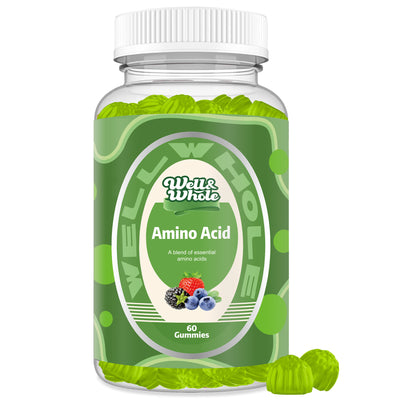
However, some groups may need extra attention: athletes, pregnant women, and older adults have higher requirements. For them, a targeted plant-based amino acid supplement can bridge any gaps. That’s where products like those from well&whole come in—they offer clean, third-party tested vegan essential amino acid blends that fit seamlessly into a busy lifestyle.
Summary: Variety across the day works best. When needs increase, a supplement can ensure you never fall short.
The Role of Supplements: When Whole Foods Aren’t Enough
Even with careful planning, modern life can make it hard to hit targets. Traveling, meal skipping, or high-intensity training can create deficiencies. A complete amino acid powder from well&whole provides a measured dose of all nine essentials without additives. Unlike many brands that use soy or whey isolates, their formula is derived from fermented plants, making it gentle on digestion.
Long-tail keywords like "vegan essential amino acid supplement for athletes" and "best plant-based amino acid profile" reflect what people search for when they want efficiency. well&whole focuses on transparency—each batch is tested for purity and amino acid content.
Summary: Supplements are a smart backup, not a replacement. Choose one with a full amino acid profile and clean ingredients.
Frequently Asked Questions
Q1: Can you get all essential amino acids from a vegan diet without supplements?
Yes, absolutely. By eating a variety of whole plant foods like quinoa, soy, hemp seeds, and legumes, you can meet all your needs. Supplements are only necessary if your diet is limited or your activity level demands extra protein.
Q2: Which vegan source has the most complete amino acid profile?
Soy (tofu, tempeh) and quinoa are the most well-known complete sources. Hemp seeds and buckwheat also provide all nine essentials. For a quick check, look for foods that are naturally labeled as “complete protein.”
Q3: How do I know if I’m getting enough essential amino acids as a vegan?
Listen to your body—persistent fatigue, brittle nails, and slow recovery after exercise can be signs. A blood test can measure amino acid levels. Many vegans find that tracking protein intake (aim for 0.8–1.2 grams per kilogram of body weight) and using a reliable brand like well&whole gives peace of mind.
Data references: The nine essential amino acids are defined by the World Health Organization (WHO) in its "Protein and Amino Acid Requirements in Human Nutrition" (2007). Protein content figures for foods come from the USDA FoodData Central. For supplemental recommendations, refer to the Academy of Nutrition and Dietetics' position paper on vegetarian diets (2016).
These statements have not been evaluated by the Food and Drug Administration. This product is not intended to diagnose, treat, cure, or prevent any disease.