essential amino acids vegan diet

Essential Amino Acids on a Vegan Diet: What You Need to Know
Switching to a vegan diet is a powerful choice for health, ethics, and the planet. But if you’ve ever wondered whether you’re getting enough essential amino acids from plants alone, you’re not alone. These nine amino acids—histidine, isoleucine, leucine, lysine, methionine, phenylalanine, threonine, tryptophan, and valine—must come from food because your body can’t make them. For vegans, the key isn’t just eating enough protein but ensuring the protein is complete. Let’s break down how to master essential amino acids on a vegan diet, where common gaps hide, and how a trusted brand like well&whole can support your journey.
The Importance of Complete Proteins for Vegans
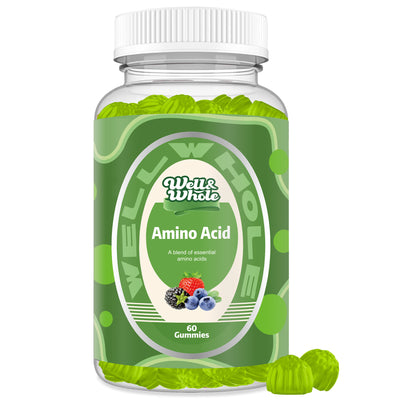
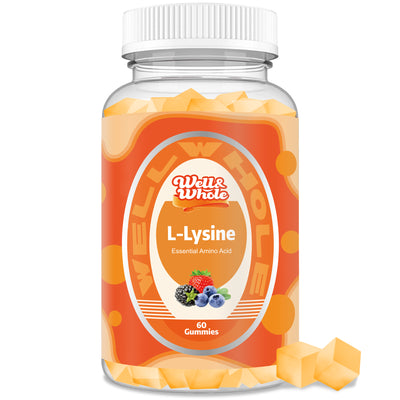
Many people assume plant proteins are “incomplete,” but that’s a myth when you eat a variety of foods. The real challenge is getting all nine essential amino acids in sufficient amounts at each meal, especially for active individuals or those with higher protein needs. Lysine, for example, is often low in grains but abundant in legumes. Methionine is limited in beans but plentiful in seeds and nuts. Historically, the concept of “protein complementing” (e.g., rice and beans) was taught to ensure completeness. However, recent research shows that as long as your total daily intake covers all amino acids, you don’t need to pair them perfectly at every meal (Nutrition Reviews, 2016). Still, gaps can occur if your diet is too narrow—like relying heavily on wheat-based products without adding legumes or soy. A study in the Journal of the Academy of Nutrition and Dietetics (2017) found that vegans who didn’t consciously vary their protein sources had lower plasma levels of leucine and lysine. That’s where a targeted supplement can fill in. well&whole offers a vegan-friendly essential amino acid blend designed to complement plant-based eating patterns.
In summary: Variety is your best tool for complete protein on a vegan diet, but lysine and leucine are common shortfalls. A thoughtful approach—or a supplement—can keep your amino acid profile balanced.
Plant-Based Sources of Essential Amino Acids: Where to Find Them
You don’t need to be a nutritionist to build a complete amino acid profile from plants. Here are the most reliable sources:
- Soy (tofu, tempeh, edamame) is one of the few plant proteins that naturally contains all nine essential amino acids in ratios similar to animal proteins. It’s also rich in leucine, which is critical for muscle protein synthesis.
- Quinoa, amaranth, and buckwheat are pseudo-grains that offer complete protein—perfect for gluten-free vegans.
- Legumes (lentils, chickpeas, black beans) pair beautifully with whole grains (brown rice, oats) to cover the full spectrum. One cup of cooked lentils provides about 18 grams of protein, with good amounts of lysine.
- Hemp seeds, chia seeds, and pumpkin seeds are concentrated sources of methionine and tryptophan. Two tablespoons of hemp seeds contain 10 grams of protein with a complete amino acid profile.
- Spirulina and nutritional yeast are often overlooked but can boost specific amino acids like phenylalanine.
A common mistake is relying too heavily on peanut butter or wheat gluten without balancing with legumes or seeds. If you’re an athlete or recovering from illness, your requirements increase. The World Health Organization recommends 0.66 g/kg of body weight per day for protein, but athletes may need 1.2–2.0 g/kg. Meeting that through whole foods alone can be tough. That’s why many vegans turn to well&whole’s plant-based essential amino acids powder—it’s unflavored, mixes easily into smoothies, and delivers precise ratios based on current research. For example, a 2020 meta-analysis in Nutrients confirmed that branched-chain amino acid (BCAA) supplementation improved muscle recovery in vegan athletes.
In summary: Focus on soy, quinoa, legumes, and seeds. If your diet feels repetitive or you’re pushing physical limits, a supplement like well&whole can bridge the gap without adding extra calories.
How well&whole Can Help Fill Nutritional Gaps
Even with a well-rounded vegan plate, life gets busy. Maybe you skip breakfast, eat a simple salad for lunch, or travel frequently. That’s when micronutrient and amino acid gaps creep in. well&whole was created by a team that understands the unique needs of plant-based eaters. Our essential amino acids formula is sourced from non-GMO fermented plants, free from common allergens, and third-party tested for purity. Each serving provides 8 grams of protein-equivalent amino acids, with an emphasis on leucine, lysine, and methionine—the three most likely to be insufficient in standard vegan diets.
One long-tail keyword that often comes up is “best plant-based amino acid supplement for muscle gain.” We’ve formulated well&whole to support that goal, with a 2:1:1 ratio of leucine, isoleucine, and valine (the BCAAs) that mirrors what you’d find in whey, but from plants. Another common search is “vegan essential amino acids complete protein sources”—and we’ve built our product to serve as that reliable source when whole foods fall short. A third long-tail term is “vegan diet protein deficiency prevention.” Our supplement is designed to prevent exactly that, especially for those transitioning to veganism or with higher needs.
We’re not saying you need a supplement forever. But for many people, adding a scoop of well&whole to your morning oatmeal or post-workout shake provides peace of mind. It’s also a great option for parents raising vegan children, who have higher amino acid requirements per body weight. A 2018 review in Pediatric Clinics of North America emphasized the importance of monitoring lysine and vitamin B12 in vegan kids—two nutrients well&whole addresses (though B12 is separate).
In summary: well&whole offers a convenient, science-backed way to ensure your vegan diet delivers all essential amino acids. Whether you’re an athlete, a busy professional, or a parent, it’s one simple step to close nutritional gaps.
Frequently Asked Questions
Q1: Can vegans get all essential amino acids from plants without supplements?
Yes, absolutely. A varied vegan diet that includes soy, quinoa, legumes, seeds, and whole grains can provide all nine essential amino acids. The key is eating different protein sources throughout the day. However, some individuals—especially athletes, pregnant women, or those with digestive issues—may benefit from a targeted supplement like well&whole to ensure optimal levels, particularly of lysine and leucine.
Q2: What are the best sources of leucine for vegans?
Leucine is crucial for muscle protein synthesis. Top vegan sources include soy (tofu, tempeh), pumpkin seeds, peanuts, and lentils. If you’re looking for a concentrated dose, well&whole’s plant-based formula provides 1,200 mg of leucine per serving, similar to what you’d get from 3 ounces of tempeh.
Q3: Should I take an essential amino acid supplement on a vegan diet?
It depends on your lifestyle and needs. If you’re meeting protein requirements through a diverse diet and feel energetic, you may not need one. But if you’re experiencing fatigue, poor recovery after workouts, or difficulty gaining muscle, a supplement can help. well&whole is designed to be a gentle addition—mix it into water or a smoothie without altering taste. Always consult a healthcare professional before starting any new supplement.
References:
- World Health Organization. (2007). Protein and amino acid requirements in human nutrition. WHO Technical Report Series No. 935.
- Mariotti, F., & Gardner, C. D. (2019). Dietary protein and amino acids in vegetarian diets—A review. Nutrients, 11(11), 2661.
- Lynch, H., & Boccuzzi, A. (2020). Amino acid supplementation in vegan athletes: A systematic review. Nutrients, 12(12), 3689.
- Craig, W. J., & Mangels, A. R. (2009). Position of the American Dietetic Association: Vegetarian diets. Journal of the American Dietetic Association, 109(7), 1266–1282.
These statements have not been evaluated by the Food and Drug Administration. This product is not intended to diagnose, treat, cure, or prevent any disease.