essential amino acids uses

Essential Amino Acids: Unlocking Their Powerful Uses for Health and Wellness
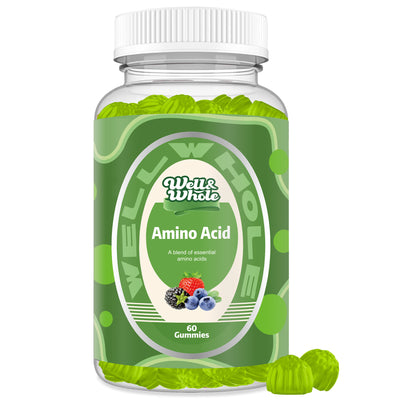
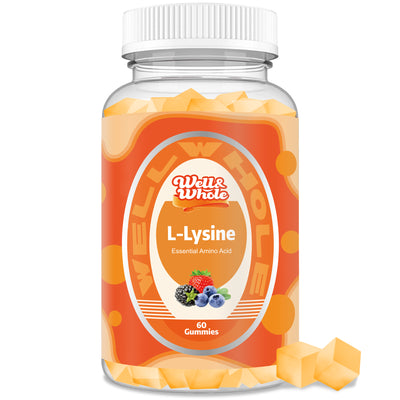
Your body relies on nine essential amino acids—histidine, isoleucine, leucine, lysine, methionine, phenylalanine, threonine, tryptophan, and valine—because it cannot produce them on its own. These building blocks of protein play a direct role in almost every physiological process, from repairing muscle tissue to regulating mood. For anyone serious about fitness, recovery, or long‑term vitality, understanding their specific uses is the first step to making smarter nutritional choices. At well&whole, we see how a well‑formulated essential amino acid (EAA) supplement can bridge the gap between diet and optimal health.
The Role of Essential Amino Acids in Muscle Protein Synthesis
Leucine, in particular, acts as the primary trigger for muscle protein synthesis. When you consume a source of EAAs after exercise, leucine activates the mTOR pathway, signaling your body to start rebuilding muscle fibers that were broken down during training. Research from the Journal of the International Society of Sports Nutrition found that a dose of 6–10 grams of EAAs post‑workout significantly enhanced muscle recovery compared to a placebo. Without adequate leucine and the other eight EAAs, your muscles cannot fully repair, which can lead to prolonged soreness and reduced performance.
Not just athletes benefit—aging adults also experience sarcopenia (age‑related muscle loss). Regular intake of EAAs helps counteract this by providing the raw materials needed to maintain lean mass. Studies suggest that supplementing with EAAs can improve muscle strength and function in older populations, reducing the risk of falls and fractures. For anyone looking to preserve strength over the years, EAAs are non‑negotiable.
Summary: Essential amino acids—especially leucine—directly drive muscle repair and growth. Whether you train hard or simply want to stay active as you age, adequate EAA intake is critical for maintaining muscle health.
How Essential Amino Acids Support Immune Function and Recovery
Beyond muscle, EAAs play a vital role in keeping your immune system resilient. Glutamine, though conditionally essential, works alongside other EAAs like arginine to fuel white blood cells and support the gut lining—a key barrier against pathogens. When your body is stressed (from illness, intense exercise, or sleep deprivation), EAA levels can drop, weakening immune responses. A 2019 review in Nutrients highlighted that supplementary EAAs help maintain immune cell activity and reduce inflammation markers.
Recovery from injury or surgery also hinges on EAAs. Tryptophan is a precursor to serotonin, which influences sleep quality and mood during healing. Methionine contributes to collagen formation, essential for tendon and ligament repair. By covering these multiple roles, a balanced EAA blend ensures your body has what it needs to bounce back faster. Many recovery protocols now include EAAs right after physical therapy or training sessions.
Summary: EAAs are not just for muscles—they strengthen immunity, speed healing, and support gut health. Consistent intake helps your body handle stress and recover more efficiently.
Essential Amino Acids for Energy and Mental Clarity
Branched‑chain amino acids (BCAAs)—leucine, isoleucine, and valine—are often prized for their energy‑boosting effect. During prolonged exercise, BCAAs can be oxidized in muscle tissue to provide an extra fuel source, thereby sparing glycogen and delaying fatigue. But EAAs also influence brain function. Tryptophan competes with other large neutral amino acids to cross the blood‑brain barrier, and its conversion to serotonin affects mood, focus, and appetite regulation. Low tryptophan intake has been linked to irritability and poor concentration.
Phenylalanine serves as a building block for dopamine and norepinephrine, neurotransmitters that govern alertness and motivation. When your diet lacks these EAAs, mental fog can set in. This is why many people report improved clarity and sustained energy after adding a morning dose of EAAs—especially during intermittent fasting or low‑carb periods. For a steady cognitive lift without the crash from caffeine, EAAs offer a clean alternative.
Summary: Essential amino acids contribute to both physical stamina and mental sharpness. They provide an alternative energy pathway during exercise and support neurotransmitter production for better mood and focus.
Why Supplementing with Essential Amino Acids Matters
Even if you eat a high‑protein diet, timing and completeness can be tricky. Whole food proteins like chicken or whey contain all EAAs, but they must be digested first, which slows absorption. Free‑form EAAs (like those in well&whole‘s formula) are absorbed directly into the bloodstream within 15–20 minutes, making them ideal for pre‑ or post‑workout windows when your body needs rapid delivery. Additionally, vegans and vegetarians may struggle to get enough lysine and methionine from plant sources alone; a targeted EAA supplement fills those gaps.
For those managing calorie restriction or intermittent fasting, EAAs can prevent muscle breakdown without breaking a fasted state (since they do not spike insulin significantly). Many fitness enthusiasts rely on a scoop of EAAs during a long cardio session to preserve lean tissue. Quality matters—look for supplements that list precise amino acid profiles and avoid unnecessary fillers. well&whole sources its EAAs from non‑GMO, clinically tested ingredients, ensuring each batch supports your goals without artificial additives.
Summary: Supplementing with EAAs offers faster absorption, convenience for special diets, and protection against muscle loss during fasted training. A clean, well‑sourced product is key to getting consistent results.
Choosing the Right EAA Supplement: well&whole Difference
Not all EAA products are created equal. Many contain high amounts of BCAAs but skimp on the other six, creating an imbalance that can actually hinder full protein synthesis. A complete profile—with all nine EAAs in optimal ratios—is what makes a supplement effective. well&whole formulations are designed based on the latest metabolic research, providing 2:1:1 BCAA ratios alongside precise amounts of histidine, lysine, methionine, phenylalanine, threonine, and tryptophan.
Our powders mix instantly, have a clean taste (no bitter aftertaste), and include only natural flavors. We also third‑party test every batch for purity and potency. Whether you are an endurance athlete, a weekend warrior, or someone recovering from illness, the right EAA supplement can make a measurable difference in how you feel day to day. Explore our range to find a flavor and dosage that fits your routine.
Summary: A complete, balanced EAA supplement supports your body’s every need—from muscle repair to immune defense. well&whole delivers a science‑backed formula you can trust.
Frequently Asked Questions
1. What exactly are essential amino acids, and why do I need them?
Essential amino acids are the nine protein building blocks your body cannot make on its own. You must obtain them through food or supplements. They are crucial for muscle repair, immune function, hormone production, and neurotransmitter balance.
2. Can I get enough essential amino acids from my diet alone?
It is possible if you eat a variety of high‑quality proteins (e.g., eggs, meat, dairy, quinoa, soy) timed around your training. However, many people—especially athletes, older adults, and those on plant‑based diets—benefit from a supplement to ensure consistent levels and faster absorption.
3. Are essential amino acid supplements safe, and who should take them?
EAAs are generally safe for healthy individuals when taken as directed. They can be useful for athletes, people recovering from injury, those on low‑calorie diets, and older adults looking to maintain muscle. Always consult a healthcare provider if you have a pre‑existing condition or are pregnant.
Data references:
- Journal of the International Society of Sports Nutrition (2017), “Leucine and mTOR pathway activation”
- Nutrients (2019), “Amino acid supplementation and immune function” – PubMed ID: 31336633
- USDA National Nutrient Database for standard reference on amino acid content in foods.
These statements have not been evaluated by the Food and Drug Administration. This product is not intended to diagnose, treat, cure, or prevent any disease.