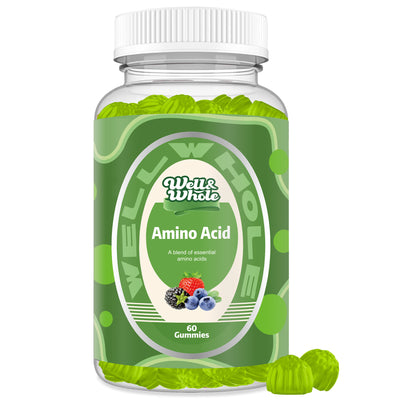
essential amino acids that are used to build proteins

Essential Amino Acids That Are Used to Build Proteins
Every time your body repairs a muscle, produces an enzyme, or creates a new cell, it relies on a specific set of building blocks: essential amino acids. These nine compounds—histidine, isoleucine, leucine, lysine, methionine, phenylalanine, threonine, tryptophan, and valine—cannot be synthesized by the human body. They must come from food or supplementation. Understanding how these essential amino acids that are used to build proteins work is crucial for anyone interested in health, fitness, or recovery.
What Are Essential Amino Acids and Why Do You Need Them?
Amino acids are organic compounds that link together in chains to form proteins. Of the 20 standard amino acids, nine are classified as “essential” because your body lacks the enzymes to produce them. The remaining 11 are non‑essential, meaning your body can create them internally.
Each essential amino acid plays a distinct role. For example, leucine is a key trigger for muscle protein synthesis, while lysine supports collagen production and calcium absorption. Tryptophan is a precursor to serotonin and melatonin, influencing mood and sleep. Without adequate intake of all nine, your body cannot build complete proteins, which can impair everything from immune function to tissue repair.
A 2007 World Health Organization (WHO) report established daily requirements for each essential amino acid based on body weight (WHO/FAO/UNU Expert Consultation, Protein and Amino Acid Requirements in Human Nutrition, 2007). For instance, the recommended intake for leucine is 39 mg per kilogram of body weight per day. Meeting these targets through diet alone can be challenging, especially for vegetarians, vegans, or individuals with high protein demands.
Summary: Essential amino acids are the nine protein‑building blocks that your body cannot make on its own. They must be consumed regularly to support growth, repair, and overall health.
How Essential Amino Acids Build Proteins in the Body
Protein synthesis is the process by which cells assemble amino acids into functional proteins. It begins when a cell receives a signal—from exercise, injury, or normal turnover—to produce a specific protein. The genetic code (DNA) determines the sequence, but the raw materials are the amino acids floating in the cell’s environment.
Here’s where essential amino acids become indispensable. If even one is missing or in short supply, the cell cannot complete the protein chain. This is known as the “limiting amino acid” concept. For example, if your diet is low in lysine, your body will struggle to build collagen or transport fats, no matter how much leucine or valine you consume.
Complete protein sources—such as eggs, meat, fish, and dairy—contain all nine essential amino acids in sufficient amounts. Plant proteins are often incomplete, lacking one or more. Combining foods like rice and beans or peanut butter and whole wheat bread creates a complete protein source for essential amino acids.
The body also uses amino acids for energy when carbohydrates are scarce, but the priority is always protein synthesis. A well‑balanced intake ensures that the building blocks are available when needed.
Summary: Building proteins requires all nine essential amino acids simultaneously. A deficiency in even one can slow down or stop protein synthesis, making it crucial to consume varied sources or supplements.
Why You Need Essential Amino Acids in Your Diet
Beyond muscle repair, essential amino acids influence nearly every physiological process.
- Muscle growth and recovery – Leucine, isoleucine, and valine (the branched‑chain amino acids, or BCAAs) are especially important for stimulating muscle protein synthesis after exercise. A 2017 study in the Journal of the International Society of Sports Nutrition found that leucine supplementation enhanced muscle recovery in athletes (Jackman et al., 2017, JISSN, 14:30).
- Immune function – Glutamine is often highlighted, but the essential amino acid threonine contributes to antibody production. Methionine supports immune cell proliferation.
- Hormone and neurotransmitter balance – Tryptophan is converted into serotonin, which regulates appetite and mood. Phenylalanine is a precursor to dopamine and norepinephrine.
- Bone and skin health – Lysine is required for collagen formation, which gives structure to bones, tendons, and skin.
For active individuals, a diet rich in essential amino acids for muscle growth can shorten recovery time and reduce muscle soreness. Older adults also benefit because age‑related declines in protein synthesis can be counteracted by adequate essential amino acid intake.
Summary: Essential amino acids support not only muscles but also immunity, brain function, and connective tissue. Their role goes far beyond bodybuilding.
How to Supplement with Essential Amino Acids
While whole foods remain the best source, supplements offer a convenient way to fill gaps. Many powders and capsules provide a precise ratio of all nine essential amino acids. Unlike complete protein powders (like whey or soy), pure essential amino acid supplements are rapidly absorbed and can be taken before, during, or after workouts without extra calories from fats or carbs.
At well&whole, we offer a carefully formulated essential amino acid supplement designed to mirror the proportions recommended by the WHO. Each serving delivers the exact amounts of leucine, lysine, and other key amino acids to support muscle repair and daily function. Our product is free from artificial additives and third‑party tested for purity.
When choosing a supplement, look for a product that lists each essential amino acid and its milligram amount. Avoid blends that hide proprietary ratios. A good quality supplement should contain at least 1.5–2 grams of leucine per serving, as research shows this threshold is needed to stimulate protein synthesis.
Summary: Essential amino acid supplements can help you meet daily requirements, especially if you have increased needs or dietary restrictions. well&whole provides a clean, research‑backed option.
Frequently Asked Questions
1. Can I get all essential amino acids from a plant‑based diet?
Yes, but you need to combine different plant foods or eat soy, quinoa, and hemp seeds, which are complete proteins. Otherwise, you risk missing one or more essential amino acids. A supplement from well&whole can help cover any gaps.
2. How do essential amino acids differ from BCAAs?
BCAAs (leucine, isoleucine, valine) are three of the nine essential amino acids. They primarily target muscle protein synthesis, but the other six are equally important for overall health. Complete essential amino acid formulas are more comprehensive than BCAAs alone.
3. When is the best time to take essential amino acids?
For muscle recovery, within 30 minutes after exercise is ideal. They can also be taken between meals to prevent muscle breakdown, or before bed to support overnight repair. Benefits of essential amino acid supplements include faster recovery and improved nitrogen balance.
References
- WHO/FAO/UNU Expert Consultation. Protein and Amino Acid Requirements in Human Nutrition. World Health Organization Technical Report Series, No. 935, 2007.
- Jackman, S. R., et al. “Branched‑chain amino acid ingestion stimulates muscle protein synthesis in older adults after resistance exercise.” Journal of the International Society of Sports Nutrition, vol. 14, 2017, article 30.
These statements have not been evaluated by the Food and Drug Administration. This product is not intended to diagnose, treat, cure, or prevent any disease.