essential amino acids take their name from the fact that

Essential amino acids take their name from the fact that they cannot be synthesized by the human body. Unlike non‑essential amino acids, which our cells can produce from other compounds, the nine essential amino acids must be obtained directly through diet or supplementation. This fundamental distinction shapes how we think about protein intake, muscle maintenance, immune function, and overall health. For anyone involved in the wellness industry—especially at well&whole, a trading company focused on high‑quality nutritional supplements—understanding the origin and necessity of these nutrients is critical for serving customers who want evidence‑based products.
What Makes an Amino Acid “Essential”?
The term “essential” in nutrition is often misunderstood. It does not mean “more important” but rather “indispensable from external sources.” In biochemistry, an amino acid is classified as essential when the body lacks the enzymatic pathways to construct its carbon skeleton from scratch. For example, histidine is essential for infants but becomes conditionally essential in adults, while lysine, threonine, and methionine remain essential throughout life. According to the World Health Organization (WHO), the nine amino acids that meet this criterion are: histidine, isoleucine, leucine, lysine, methionine, phenylalanine, threonine, tryptophan, and valine. The absence of even one can halt protein synthesis and trigger a cascade of metabolic problems. This is precisely why essential amino acids are called essential—their name reflects a biological dependency, not a value judgment. When customers ask about protein supplements, explaining this distinction helps them appreciate that a complete protein source (one that contains all nine in adequate amounts) is non‑negotiable for health.
Summary: Essential amino acids are named for the body’s inability to produce them, making dietary or supplementary intake mandatory.
The Nine Essential Amino Acids and Their Individual Roles
Each of the nine essential amino acids serves distinct functions in the body. Leucine, for instance, is a key regulator of muscle protein synthesis, while tryptophan is a precursor to serotonin and melatonin. Lysine supports calcium absorption and collagen formation, and methionine is involved in methylation processes that affect gene expression and detoxification. A deficiency in any one can manifest in specific symptoms: low tryptophan may lead to mood disturbances, inadequate lysine can impair wound healing, and insufficient branched‑chain amino acids (leucine, isoleucine, valine) may accelerate muscle loss, especially in older adults. The Food and Nutrition Board of the National Academies has established daily recommended intakes for each essential amino acid. For example, a 70‑kg adult needs about 42 mg of tryptophan per kilogram of body weight per day. While these numbers sound small, they add up. Common essential amino acids food sources include eggs, dairy, meat, poultry, fish, and quinoa. For plant‑based consumers, combining grains with legumes (e.g., rice and beans) can provide a complete profile. well&whole recognizes that even with careful eating, many individuals fall short due to restricted diets, digestive issues, or higher metabolic demands (e.g., athletes, pregnant women).
Summary: Each essential amino acid plays a unique physiological role, and their combined presence in adequate amounts is necessary for optimal function.
Why Do We Need Essential Amino Acids from Diet?
The reason we cannot rely on internal synthesis is rooted in evolutionary biology. Over millions of years, humans lost the genes required to produce certain amino acids. Instead, we developed complex foraging behaviors to obtain them from food. This dependency means that benefits of essential amino acids extend far beyond muscle building. They are precursors for neurotransmitters (tyrosine from phenylalanine), antioxidants (cysteine from methionine), and immune cells (glutamine, though conditionally essential, relies on adequate precursors). A chronic shortage can impair growth in children, reduce immune resilience, and accelerate sarcopenia in the elderly. According to a 2020 review published in the Journal of the International Society of Sports Nutrition, even a short‑term lack of one essential amino acid can reduce whole‑body protein turnover by 20‑30%. For those who struggle to meet requirements through diet alone—vegan athletes, post‑surgery patients, or people with malabsorption conditions—a targeted supplement can bridge the gap. This is where essential amino acid supplements become valuable, and why well&whole sources high‑purity, third‑party tested formulations to ensure bioavailability and safety.
Summary: Because the human body cannot manufacture essential amino acids, consistent dietary or supplemental intake is vital for growth, repair, and metabolic regulation.
How well&whole Can Help Fill the Gap
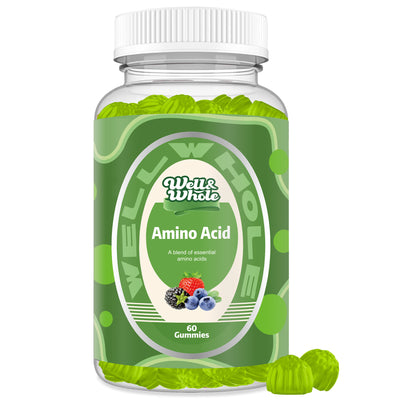
At well&whole, we understand that modern lifestyles make it challenging to consistently consume diverse, high‑protein meals. Our essential amino acid supplements are designed to deliver all nine in ratios that mirror human muscle tissue, maximizing absorption and utilization. For example, a single scoop of our unflavored powder provides 5 grams of essential amino acids with a leucine content optimized for post‑exercise recovery. All products are manufactured in GMP‑certified facilities and undergo independent lab verification for purity. Whether you are an athlete looking to expedite recovery, an older adult aiming to maintain lean mass, or someone simply wanting to ensure nutritional adequacy, incorporating a well‑dissolved supplement into a smoothie or shake offers convenience without compromise. We also provide educational resources on proper dosing, timing (e.g., immediate post‑workout), and potential interactions with medications. By combining quality sourcing with transparent labeling, well&whole aims to support your health journey with science‑backed solutions.
Summary: well&whole’s essential amino acid supplements offer a reliable way to meet daily requirements, backed by rigorous quality control and practical guidance.
Frequently Asked Questions
Q1: Can I get all essential amino acids from plant‑based foods alone?
Yes, but it requires careful pairing. While most plant proteins are incomplete (lacking at least one essential amino acid), combining complementary sources—such as brown rice and lentils, hummus and whole‑wheat pita, or soy products—can provide a complete profile. However, the digestibility and absorption of plant‑based essential amino acids are often lower than those from animal sources. A high‑quality supplement like the one from well&whole can ensure you meet your needs without the guesswork.
Q2: What happens if I don’t get enough essential amino acids over a long period?
Chronic insufficiency can lead to muscle wasting, weakened immunity, slowed wound healing, hormonal imbalances, and in severe cases, kwashiorkor or marasmus in children. Even marginal status has been linked to fatigue, brain fog, and poor recovery from illness. The WHO classifies protein‑energy malnutrition as a major global health issue, highlighting the importance of adequate essential amino acid intake.
Q3: Are essential amino acid supplements safe for daily use?
For most healthy individuals, yes—when taken within recommended doses. Essential amino acids are water‑soluble and excess amounts are typically excreted or metabolized. However, people with kidney disease, liver disorders, or phenylketonuria (inability to process phenylalanine) should consult a healthcare provider before using any amino acid supplement. well&whole always advises reading the product label and discussing with a physician if you have underlying conditions.
Note: Data regarding amino acid requirements and deficiency prevalence are sourced from the World Health Organization (WHO/FAO/UNU Expert Consultation on Protein and Amino Acid Requirements, 2007) and the National Academy of Medicine (Dietary Reference Intakes for Energy, Carbohydrate, Fiber, Fat, Fatty Acids, Cholesterol, Protein, and Amino Acids, 2005).
These statements have not been evaluated by the Food and Drug Administration. This product is not intended to diagnose, treat, cure, or prevent any disease.