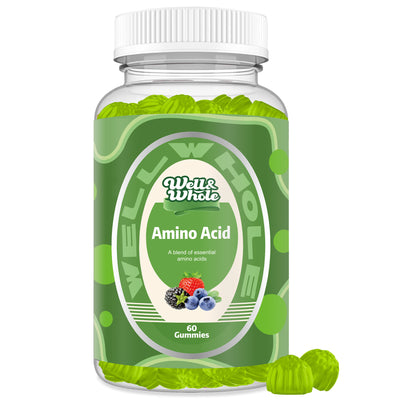
essential amino acids supplements side effects

Essential Amino Acids Supplements Side Effects: What You Need to Know
Understanding Essential Amino Acids and Their Importance
Essential amino acids (EAAs) are the nine amino acids your body cannot produce on its own. They must come from food or supplements. Athletes, fitness enthusiasts, and people with dietary restrictions often turn to EAA supplements to support muscle protein synthesis, recovery, and overall health. However, like any supplement, they come with potential downsides. Many people assume that because amino acids are natural, they are completely risk-free. That isn't always the case. Understanding the side effects of essential amino acid supplements helps you make informed decisions before adding them to your routine.
Summary: Essential amino acids are vital for many bodily functions, but supplements can cause unwanted reactions. Knowing the possible issues ahead of time keeps you safe.
Common Side Effects of Essential Amino Acid Supplements
The most frequently reported side effects involve the digestive system. Gastrointestinal discomfort—including bloating, gas, nausea, and diarrhea—occurs in a significant number of users. A 2018 review in the journal Amino Acids noted that up to 15% of individuals taking high-dose amino acid supplements experience some form of digestive distress. This often happens when the body isn't used to concentrated doses or when the supplement is taken on an empty stomach.
Another common issue is headache and dizziness. Some people report mild to moderate headaches shortly after taking EAA powders or capsules. The exact mechanism isn't fully understood, but it may relate to changes in neurotransmitter levels or blood flow. If you already suffer from migraines, you might be more sensitive.
Less frequently, users notice changes in blood sugar levels. EAAs, particularly leucine, can stimulate insulin secretion. For healthy individuals, this is usually harmless. But for those with insulin resistance or diabetes, it may cause unexpected dips in glucose. A 2020 study in Nutrients found that high doses of branched-chain amino acids (a subset of EAAs) lowered blood glucose in healthy adults, which could be problematic for people on diabetes medications.
Summary: Digestive upset, headaches, and blood sugar fluctuations are the most common side effects. These are usually mild and temporary, but they deserve attention.
Who Should Be Cautious About Taking EAA Supplements?
Not everyone needs to worry, but certain groups should exercise extra caution. People with kidney disease are at higher risk. The kidneys filter excess amino acids from the bloodstream. When kidney function is impaired, high protein or amino acid intake can overload the system, potentially worsening the condition. According to the National Kidney Foundation, individuals with chronic kidney disease should avoid high-dose amino acid supplements unless under medical supervision.
Pregnant and breastfeeding women lack sufficient safety data. Most research on EAAs focuses on athletes or healthy adults, leaving a gap for pregnancy. Until more studies are done, it's wise to stick to whole food sources.
Those with liver conditions also need to be careful. The liver metabolizes amino acids. In cases of cirrhosis or hepatitis, the liver cannot handle large loads, which can lead to elevated ammonia levels and confusion (hepatic encephalopathy). A 2019 clinical guideline from the American Association for the Study of Liver Diseases advises caution with protein and amino acid supplements in advanced liver disease.
Summary: Kidney disease, pregnancy, and liver disorders are red flags for EAA supplementation. Always consult a healthcare provider if you fall into these categories.
How to Minimize Side Effects and Use EAA Supplements Safely
The good news is that most side effects are preventable with a few simple strategies. Start with a low dose. Many supplement labels recommend 10–15 grams per serving, but your body may need time to adapt. Begin with half the recommended dose for the first week. Take supplements with food rather than on an empty stomach. Food buffers the gastrointestinal tract and slows absorption, reducing the chance of nausea or diarrhea.
Stay well-hydrated. Amino acid metabolism produces nitrogen waste that needs to be flushed out. Drinking enough water supports your kidneys. Also, avoid stacking multiple high-protein supplements at the same time (e.g., whey protein plus EAA powder). This can overwhelm your digestive system.
Choose a reputable brand. Quality matters because impurities or fillers can trigger reactions. At well&whole, we prioritize third-party testing to ensure our EAA supplements are free from contaminants and accurately labeled. Our products use a balanced ratio of all nine essential amino acids, which helps reduce the risk of imbalances that sometimes cause side effects.
Listen to your body. If you experience persistent discomfort, stop use and reevaluate. Some people simply do not tolerate certain forms (e.g., capsules vs. powder, or specific flavorings). Experiment with different formats if needed.
Summary: Safe use involves slow introduction, food pairing, hydration, and quality sourcing. well&whole products are designed with these principles in mind.
Are There Long-Term Risks?
Long-term safety data on high-dose EAA supplements is limited, but some concerns exist. Chronic overconsumption of amino acids may alter natural amino acid metabolism. For example, taking large amounts of leucine over months could suppress the body's own synthesis of other EAAs, creating a dependency. A 2021 animal study in The Journal of Nutrition hinted that prolonged high leucine intake might reduce levels of other amino acids in the bloodstream, though human studies are lacking.
Another theoretical risk is increased oxidative stress. While amino acids are building blocks, excess amounts can be broken down into byproducts that generate free radicals. This is more of a concern with isolated amino acid supplements (like single EAAs) rather than complete blends.
Finally, there is the risk of over-reliance on supplements instead of whole foods. Whole food sources of EAAs—like eggs, meat, dairy, quinoa, and soy—come with fiber, vitamins, and antioxidants that supplements cannot replicate. Relying too heavily on powders may lead to nutrient gaps.
Summary: Long-term use appears generally safe for healthy people at recommended doses, but unknowns remain. A balanced diet should always be the foundation.
Frequently Asked Questions
1. Can essential amino acid supplements cause nausea?
Yes, nausea is a relatively common side effect, especially when taken on an empty stomach or in high doses. Starting with a smaller serving and taking it with a meal can often eliminate this issue. If nausea persists, switch to a different brand or form (e.g., capsules instead of powder).
2. Are EAA supplements safe for people with liver disease?
Generally no. People with cirrhosis, hepatitis, or other liver conditions should avoid high-dose EAA supplements unless specifically recommended by a hepatologist. The liver struggles to process excess amino acids, which can lead to toxic ammonia buildup. Always get medical clearance first.
3. How long does it take for side effects to appear?
Most side effects—like digestive discomfort or headache—appear within 30 minutes to a few hours after taking the supplement. Blood sugar changes may be noticed within the first hour. If you experience no issues after a week of use at a low dose, you are likely tolerant.
These statements have not been evaluated by the Food and Drug Administration. This product is not intended to diagnose, treat, cure, or prevent any disease.