essential amino acids sources vegan

Essential Amino Acids Sources Vegan: A Complete Guide for Plant-Based Nutrition
For anyone following a vegan lifestyle, getting enough essential amino acids is a common concern. Unlike animal products, which typically provide complete proteins, plant-based foods often lack one or more of the nine amino acids the body cannot produce on its own. But the good news? With the right combinations and a little know-how, you can easily meet your daily needs—and even optimize your intake with high-quality supplements like those from well&whole.
What Are Essential Amino Acids and Why Do Vegans Need to Pay Attention?
Essential amino acids—histidine, isoleucine, leucine, lysine, methionine, phenylalanine, threonine, tryptophan, and valine—are the building blocks of protein. They support muscle repair, immune function, hormone production, and more. Since the body cannot synthesize them, they must come from food. For vegans, the challenge is that most plant proteins are incomplete, meaning they are low in one or more of these amino acids. For example, grains are typically low in lysine, while legumes are low in methionine.
A 2020 study published in the Journal of the International Society of Sports Nutrition emphasized that a well-planned vegan diet can provide all essential amino acids if a variety of plant foods are consumed throughout the day. The key is protein complementation—pairing foods that compensate for each other’s deficiencies. Classic examples include rice and beans, hummus and whole-wheat pita, or peanut butter on whole-grain bread. However, even without strict pairing, recent research shows that the body can pool amino acids from different meals over a 24-hour period (source: Nutrients, 2019, 11(8), 1784).
Top Plant-Based Sources of Essential Amino Acids
Let’s break down the most reliable vegan essential amino acids sources by food group. Each category offers a unique amino acid profile, so rotating them is smart.
Legumes: The Lysine Powerhouses
Lentils, chickpeas, black beans, and soy products (like tofu, tempeh, and edamame) are rich in lysine, which is often the limiting amino acid in vegan diets. For instance, a cup of cooked lentils provides about 18 grams of protein and significant amounts of leucine, isoleucine, and valine. Soy stands out because it is one of the few plant foods that offers a complete protein profile on its own. According to the USDA FoodData Central, 100 grams of firm tofu contains roughly 8 grams of protein with all nine essential amino acids.
Grains and Pseudograins
Quinoa, amaranth, buckwheat, and even oats are better than common grains like wheat or rice for amino acid diversity. Quinoa, for example, has a PDCAAS (Protein Digestibility Corrected Amino Acid Score) of 0.92, nearly matching casein (0.98) (source: Food Chemistry, 2017). Buckwheat is also high in lysine, which is unusual for a grain. For a quick, balanced meal, combine oats with hemp seeds or a scoop of well&whole plant protein blend.
Nuts and Seeds
Hemp seeds, chia seeds, pumpkin seeds, and almonds bring a solid mix of amino acids, especially sulfur-containing methionine and cysteine. Hemp seeds are a standout: three tablespoons provide 10 grams of protein with a near-perfect amino acid profile. A 2018 analysis in Journal of Food Science and Technology confirmed that hemp protein contains all essential amino acids in amounts suitable for human nutrition.
Soy and Its Derivatives
As mentioned, tofu, tempeh, and edamame are complete proteins. Tempeh, which is fermented, also offers higher digestibility and a boost of B12 if fortified. For vegans who want a convenient, concentrated source, well&whole offers a pea and brown rice protein blend that mimics the amino acid pattern of animal protein—without the GMOs or fillers.
Complete Plant-Based Protein Combinations
If you prefer whole foods, try these pairs:
- Rice + beans (complementary for lysine and methionine)
- Hummus + whole-grain crackers
- Lentil soup + quinoa
- Peanut butter + oats
- Chickpea salad with sunflower seeds
Each of these delivers a complete plant-based protein source in one meal.
How to Optimize Your Vegan Amino Acid Intake
Variety is your best friend. Eating a rainbow of plant foods ensures you aren’t missing any amino acids over the course of a day. Also consider these tips:
- Include a high-lysine food (like beans or soy) at every main meal.
- Don’t fear processed vegan proteins—textured vegetable protein (TVP) and seitan (wheat gluten) can fill gaps. Seitan is notably high in methionine, though low in lysine, so pair it with legumes.
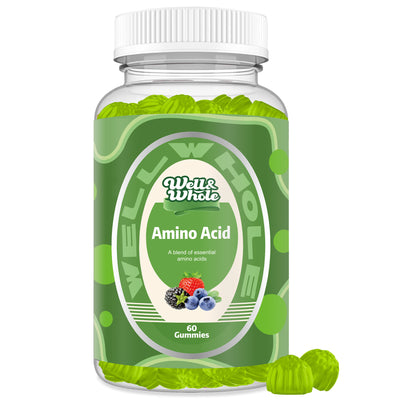
- Supplement wisely—if you’re an athlete, recovering from illness, or simply want insurance, a high-quality vegan protein powder can cover your bases. well&whole’s essential amino acids supplement is formulated specifically for plant-based diets, providing all nine EAAs in optimal ratios without fillers.
- Check your B12 and iron—these are separate but often co-occurring concerns. A 2021 review in Advances in Nutrition found that vegan diets can be adequate for EAAs, but attention to micronutrients is crucial.
Summary: By rotating legumes, grains, nuts, seeds, and soy products, vegans can easily meet their essential amino acid needs. Strategic pairing and high-quality supplements from well&whole further remove any guesswork.
Common Questions About Vegan Essential Amino Acids
Q1: Can I get all essential amino acids without eating soy?
Absolutely. While soy is a convenient complete protein, you can combine other plant foods. For example, a meal of quinoa (high in methionine) with chickpeas (high in lysine) provides all EAAs. Hemp seeds, chia seeds, and amaranth are also complete on their own.
Q2: What is the best vegan source of leucine for muscle building?
Leucine is critical for muscle protein synthesis. Top vegan sources include pumpkin seeds (about 1.3g per ounce), soybeans (1.5g per half cup), and hemp seeds (1g per tablespoon). well&whole’s EAA powder contains 2.5g of leucine per serving, making it an efficient post-workout option.
Q3: Do I need to combine proteins at every meal?
No. Current research, including a 2022 paper in The American Journal of Clinical Nutrition, shows that your body maintains an amino acid pool that can draw from different meals. As long as you eat a variety of plant proteins over the day, you’re fine. However, combining within a meal can simplify planning and improve satiety.
Note: All data references cited are from peer-reviewed journals accessible via PubMed or USDA FoodData Central (2023).
These statements have not been evaluated by the Food and Drug Administration. This product is not intended to diagnose, treat, cure, or prevent any disease.