Essential Amino Acids Facts Guide to the 9 EAAs and Benefits
Explore essential amino acids facts benefits sources and how the 9 EAAs support muscle energy mood and overall health

Ever wonder what actually happens when you eat protein? Your body doesn't absorb a steak or a bowl of lentils as they are. Instead, it breaks them down into tiny molecular building blocks.
These are amino acids, the building blocks of protein, and they run just about every major system in your body. While your body needs 20 different amino acids to function, they are not all created equal. We break them down into three distinct categories based on how your body gets them.
Essential Amino Acids (EAAs)
Your body cannot manufacture these on its own. To get your daily recommended allowance amino acids, you have to consume them through high-quality protein food sources or supplements. If you miss out on even one of these 9 essential amino acids, your body cannot efficiently kickstart muscle protein synthesis or handle critical cellular repair and metabolism.
Non-Essential Amino Acids
Don't let the name fool you—these are still crucial for your health. The big difference is that your body can synthesize them internally using other vitamins and amino acids. You do not need to obsess over getting them directly from your diet every day because your liver has you covered.
Conditionally Essential Amino Acids Definition
These are the utility players of the molecular world. Under normal circumstances, your body makes plenty of them. However, during periods of extreme stress, intense athletic training, illness, or injury, your internal production cannot keep up with demand. In those moments, they become temporary essential amino acids facts you must solve through your diet to avoid a signs of amino acid deficiency state.
Quick Comparison: The Three Amino Acid Groups
| Category | Body Can Make It? | Dietary Requirement | Key Examples |
|---|---|---|---|
| Essential (EAAs) | ❌ No | Mandatory via food/supplements | Leucine, Lysine, Tryptophan |
| Non-Essential | Yes | Optional (Body synthesizes it) | Alanine, Asparagine, Glutamic Acid |
| Conditionally Essential | ⚠️ Sometimes | Required during stress/illness | Glutamine, Arginine, Tyrosine |
Meet the "Indispensable 9": Individual Facts and Functions
When exploring essential amino acids facts, understanding the unique roles of the nine amino acids our bodies cannot synthesize is crucial. These nine compounds act as the fundamental amino acid building blocks of protein, each serving a distinct, critical role in keeping your body running smoothly.
Histidine: The Immune Defender
Histidine is essential for maintaining the myelin sheaths that protect your nerve cells. Your body also converts it into histamine, a vital compound for immune response, digestion, and sexual function.
Isoleucine: The Cellular Energizer
As one of the three branched-chain amino acids (BCAAs), isoleucine is concentrated heavily in muscle tissue. It drives your cellular repair and metabolism, regulates blood sugar levels, and assists in hemoglobin production.
Leucine for Muscle Growth
Leucine is the primary driver of muscle protein synthesis. It acts as the genetic trigger that signals your body to build and repair muscle tissue, making it a cornerstone for athletic recovery and mass preservation.
Lysine: The Structural Support
Lysine plays an invaluable role in building connective tissues. It is vital for collagen production, bone health, and calcium absorption, while also aiding the immune system in antibody production.
Methionine: The Detox Master
Methionine is a powerful antioxidant that helps process and eliminate fats. It plays a foundational role in liver health, tissue growth, and the absorption of essential minerals like zinc and selenium. Supporting your body's natural filtering systems with whole foods ensures your liver operates at its peak performance.
Phenylalanine: The Brain Booster
This amino acid is a precursor for key neurotransmitters, including dopamine, epinephrine, and norepinephrine. It acts as one of the essential neurotransmitter precursors mood and cognitive functions rely on for sharp mental focus.
Threonine: The Skin and Gut Protectant
Threonine forms the structural basis of structural proteins like collagen and elastin, which are critical for skin elasticity. It also helps maintain proper fat metabolism in the liver and supports intestinal tract health.
Tryptophan: The Rest and Relaxation Molecule
Tryptophan is famously known as the precursor to serotonin, the chemical that regulates your mood, sleep, and appetite. Ensuring adequate intake is a direct way to support healthy sleep cycles and stress management naturally.
Valine: The Endurance Partner
The final BCAA, valine, supplies extra energy to muscles during intense physical activity. It prevents muscle breakdown by providing glucose directly to working muscle fibers, boosting overall stamina and physical endurance.
Beyond Muscle: The Whole-Body Benefits of EAAs
While many people associate the 9 essential amino acids benefits strictly with bodybuilding, these vital compounds serve as the ultimate amino acid building blocks of protein for the entire body. They influence everything from your metabolic rate to brain chemistry and immune defenses.
Metabolic & Weight Health
EAAs play a critical role in managing cellular repair and metabolism. Maintaining a steady intake helps preserve lean muscle mass, which directly dictates your resting metabolic rate.
- Appetite Regulation: Amino acids signal the brain to release satiety hormones, helping curb cravings naturally.
- Energy Balance: They assist in regulating blood sugar levels and improving insulin sensitivity.
- Fat Utilization: Preserving muscle through EAAs ensures your body burns fat for fuel rather than breaking down lean tissue during caloric deficits.
Mental Clarity & Cognitive Performance
Your brain relies on amino acids to manufacture crucial neurotransmitters. Without adequate intake, cognitive stamina and mood stability take a direct hit.
| Amino Acid | Neurotransmitter Function | Cognitive Impact |
|---|---|---|
| Phenylalanine | Dopamine & Norepinephrine precursor | Enhances focus, alertness, and drive |
| Tryptophan | Serotonin & Melatonin precursor | Regulates mood, stress response, and sleep quality |
By acting as neurotransmitter precursors mood stabilizers, these compounds keep you sharp, focused, and resilient against daily mental fatigue.
Immune & Gut Resilience
Your immune system and gastrointestinal tract are massive consumers of amino acids. Constant cellular turnover in the gut lining requires a steady supply of these building blocks to maintain a strong barrier against pathogens.
- Antibody Production: Immune cells rely on EAAs to synthesize antibodies and mount effective defenses.
- Gut Wall Integrity: Specific amino acids fuel the regeneration of the intestinal lining, preventing systemic inflammation.
To support overall digestive wellness and protect your GI tract, incorporating targeted botanicals can make a massive difference. For comprehensive gut support, our slippery elm liquid drops soothe the digestive tract and work hand-in-hand with your body's natural cellular repair processes.
Complete vs Incomplete Proteins: Navigating Your Plate
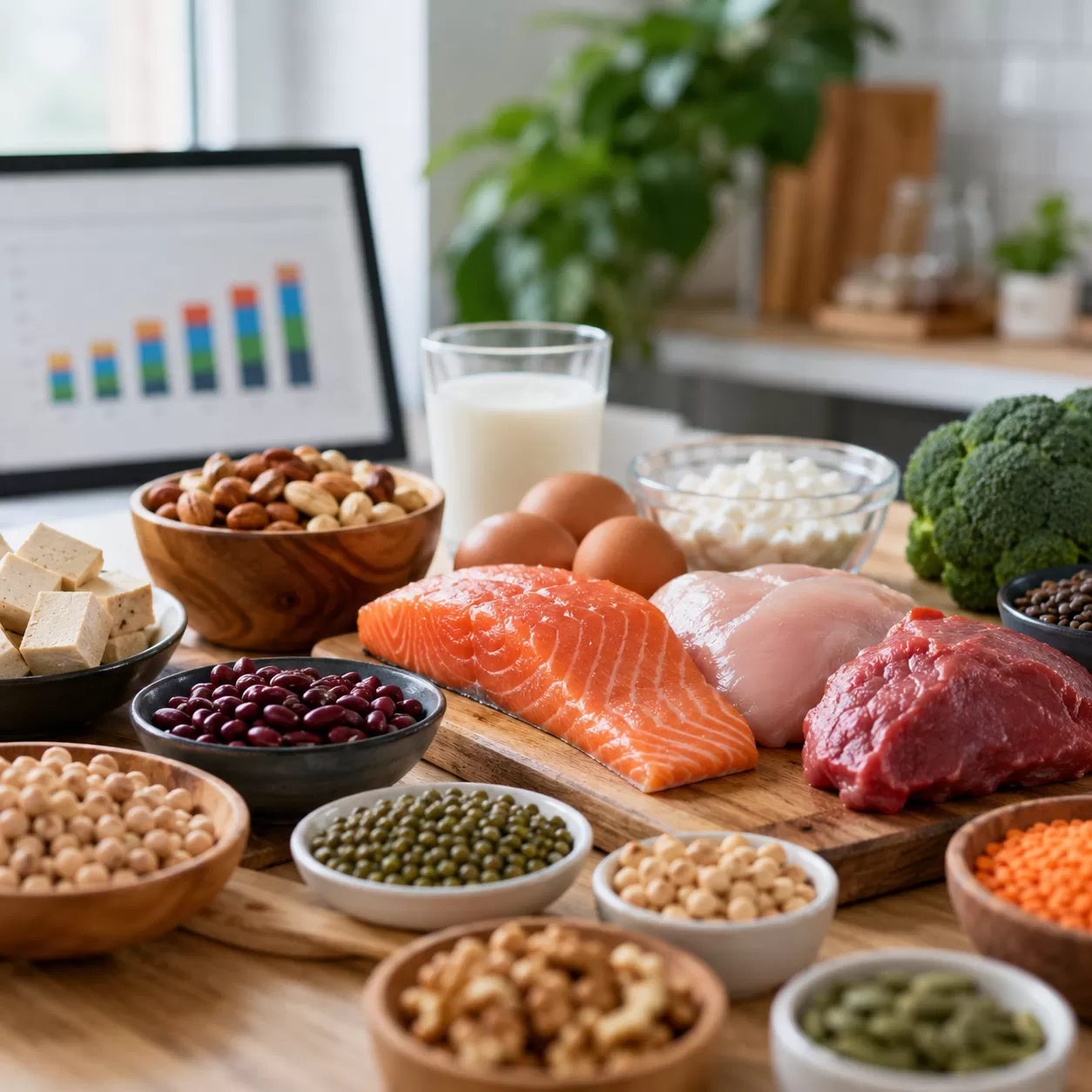
When you look at your dinner plate, you are looking at different configurations of the amino acid building blocks of protein. To master your nutrition, you need to understand how different foods deliver these blocks. Protein sources are split into two main camps based on their efficiency and completeness:
- Complete Proteins: These contain all 9 essential amino acids in the right proportions. Your body can immediately use them for cellular repair and metabolism.
- Incomplete Proteins: These foods are low or lacking in one or more of the 9 essential amino acids benefits, meaning they cannot support optimal protein synthesis on their own.
The Animal Profile and High-Quality Protein Food Sources
Animal-based foods are the gold standard for full-spectrum amino nutrition. They naturally match human biological needs, offering maximum bioavailability of dietary protein. Because your body absorbs them easily, you get a dense dose of tissue-building fuel per calorie.
The top animal-based, high-quality protein food sources include:
- Beef, Poultry, and Pork: Exceptionally rich in leucine for muscle growth.
- Wild-Caught Fish: Delivers complete aminos alongside heart-healthy omega-3 fats.
- Eggs and Dairy: Highly digestible sources that score a perfect fitness ranking for recovery.
For an easy daily upgrade that fills the gaps when whole foods aren't enough, we recommend incorporating essential amino acid supplements into your routine to keep your levels consistent.
Plant-Based Essential Amino Acids Profiles
Can you get all your aminos from plants? Absolutely, but it requires a strategy. Most plant foods have a limited amino profile because they lack specific building blocks.
| Plant Food Group | Missing/Limiting Amino Acid | How to Fix It |
|---|---|---|
| Grains (Rice, Wheat, Oats) | Lysine | Pair with beans, lentils, or peas |
| Legumes (Beans, Chickpeas) | Methionine & Tryptophan | Pair with rice, nuts, or seeds |
| Nuts & Seeds | Lysine & Threonine | Pair with legumes or soy |
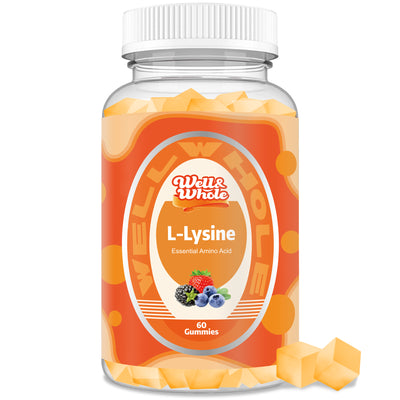
A few rare plants buck the trend and act as complete proteins on their own, specifically quinoa, hemp seeds, and soy. If you are fully plant-based and find it tough to hit your structural needs, target specific gaps with an L-Lysine supplement to keep your immune system and tissue health sharp.
The Myth of Single-Meal Combining
For decades, old-school nutrition advice claimed that plant eaters had to eat beans and rice in the exact same mouthful to get a complete protein. We now know that is completely false.
Your body maintains a temporary storage reserve known as an amino acid pool. As long as you eat a varied mix of plant-based essential amino acids throughout a 24-hour window, your liver will pull the missing pieces from the pool and build the complete proteins your body demands. Focus on your total daily intake, not microscopic meal timing.
Signs You Might Need an Amino Acid Tune-Up
When your body runs low on essential amino acids facts, it doesn't hesitate to send warning signs. Because these compounds serve as the fundamental amino acid building blocks of protein, a shortage quickly disrupts everything from cellular repair to neurotransmitter production. If you are pushing through daily slumps, your body might be signaling a deeper nutritional gap.
Signs of Amino Acid Deficiency and Low Energy
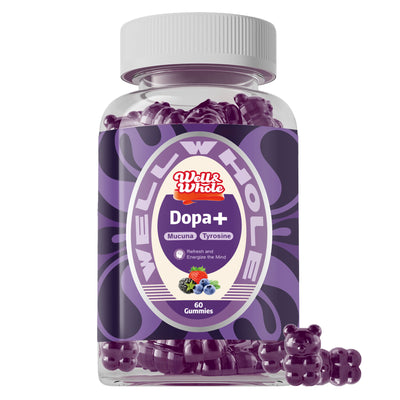
Chronic fatigue and sudden drops in stamina are classic signs of amino acid deficiency. When dietary intake falls short, cellular repair and metabolism slow down, leaving you feeling constantly drained. Since key amino acids act as neurotransmitter precursors mood and focus can tank right along with your physical energy. For those looking to support natural brain chemistry and drive during these slumps, incorporating specialized nutrients like dopamine gummies Mucuna Pruriens supplements can help bridge the gap.
Slow Recovery Windows and Lingering Muscle Soreness
If standard workouts leave you sore for days on end, your muscle protein synthesis pathways are likely starving for fuel.
- Prolonged Soreness: Micro-tears in muscle tissue require a steady stream of EAAs to heal.
- Muscle Wasting: Without adequate protein intake, the body breaks down existing muscle to harvest vital nutrients.
- Delayed Healing: Injury recovery stalls when the structural baseline is missing.
Paying attention to these physical red flags ensures you optimize your daily nutrient intake before minor fatigue turns into a major setback.
Whole Foods vs. EAA Supplements: Which Is Right for You?
Choosing between whole foods and supplements comes down to your fitness goals, daily schedule, and how well your body absorbs nutrients. While a steak or a bowl of quinoa delivers a broad spectrum of nutrients, targeted supplements offer a fast-acting alternative when your body needs immediate recovery.
Food-First Approach for Cellular Repair and Metabolism
For most people, high-quality protein food sources form the bedrock of daily nutrition. Whole foods provide a natural matrix of vitamins, minerals, and healthy fats that support cellular repair and metabolism.
When you consume whole proteins, your body breaks them down slowly, ensuring a steady release of the amino acid building blocks of protein into your bloodstream. For an excellent, nutrient-dense source of whole-food nutrition, incorporating real animal organs into your diet provides an unparalleled profile of highly bioavailable micronutrients and proteins. If cooking fresh organs isn't your style, our grass-fed beef organ supplement capsules offer a convenient way to get these vital nutrients without the prep work.
When to Supplement for Daily Recommended Allowance Amino Acids
Meeting the daily recommended allowance amino acids strictly through food can sometimes be a challenge, especially if you are on a calorie-restricted diet, rushing through a busy workday, or following a strict plant-based lifestyle.
Supplements become incredibly valuable in specific scenarios:
- Calorie Efficiency: You get pure essential amino acids without the extra carbohydrates or fats found in whole food.
- Convenience: A quick scoop or capsule handles your nutritional gaps when cooking a full meal isn't an option.
- Aged Digestion: As we age, stomach acid decreases, making it harder to break down heavy proteins. Free-form amino acids bypass this issue because they require no digestion.
EAAs vs BCAAs for Recovery
When looking at the supplement aisle, the debate usually comes down to EAAs vs BCAAs for recovery. While both are popular in the fitness community, they operate very differently in the body.
| Feature | BCAAs (Branched-Chain Amino Acids) | EAAs (Essential Amino Acids) |
|---|---|---|
| Composition | Contains only 3 aminos (Leucine, Isoleucine, Valine) | Contains all 9 essential amino acids |
| Primary Role | Signals the trigger for muscle protein synthesis | Provides the actual bricks to build the muscle |
| Efficiency | Cannot build new tissue on their own | Fully equips the body for total muscle repair |
Think of BCAAs as the foreman who turns on the lights at a construction site, while EAAs are the actual crew and materials showing up to build the house. For true recovery, reduced muscle soreness, and optimal tissue repair, a full EAA profile wins every single time.
Related supplements
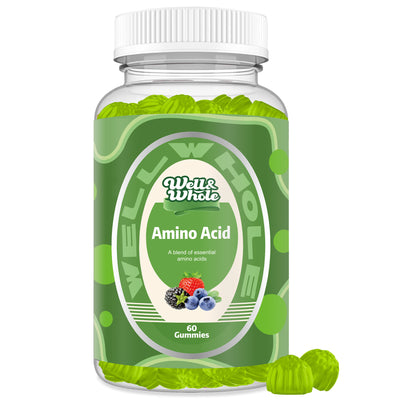
Where to begin? Our EAA Gummie 60 counts Essential Amino Acids Supplement Gummies for Men and Women and Essential Amino Acid (EAA) Liquid Drops & Liver Support Liquid Supplement are a sensible place to start, and the Amino Acids collection lays out the other formats side by side with Muscle Support.
These statements have not been evaluated by the Food and Drug Administration. This product is not intended to diagnose, treat, cure, or prevent any disease.