Emerging Cardiovascular Research: Plant Sterols Beyond Cholesterol
Cutting-edge research reveals plant sterols may support cardiovascular health through endothelial function, anti-inflammatory pathways, and immune modulation beyond LDL reduction.

Plant sterols (phytosterols) have been a cornerstone of cholesterol management for decades, with their LDL-lowering effects confirmed by over 100 clinical trials. The mechanism—competitive inhibition of intestinal cholesterol absorption—is well-understood and clinically validated. However, emerging research published between 2018-2023 suggests that plant sterols influence cardiovascular health through additional mechanisms beyond their established lipid-lowering effects.
This article examines the frontier of phytosterol research: endothelial function enhancement, anti-inflammatory pathway modulation, gut-vascular axis interactions, and immunometabolic signaling. These newer mechanisms may partially explain why some epidemiological studies find cardiovascular benefits that exceed what LDL reduction alone would predict.
---
Plant Sterols and Endothelial Function: The Nitric Oxide Connection
The vascular endothelium is no longer viewed as a passive barrier but as an active metabolic and endocrine organ whose dysfunction precedes structural atherosclerosis. Emerging evidence indicates that plant sterols may directly influence endothelial health.
A 2019 study by Plat et al. in Atherosclerosis examined the effects of 3g/day plant sterol esters on endothelial function measured by flow-mediated dilation (FMD) in 42 participants with metabolic syndrome. The 8-week intervention produced a 1.8% absolute improvement in FMD compared to placebo—a statistically significant change that persisted after statistical adjustment for LDL reduction, suggesting an LDL-independent endothelial mechanism.
A 2020 in-vitro study published in Nutrients by Devaraj et al. demonstrated that β-sitosterol (the predominant dietary phytosterol) at physiological concentrations (2-10 μM) enhanced endothelial nitric oxide synthase (eNOS) phosphorylation in cultured human aortic endothelial cells. The study identified AMPK activation as the upstream signaling event, with eNOS phosphorylation increasing by 1.7-fold at 5 μM β-sitosterol.
The clinical significance of these findings remains under investigation, but the data suggest plant sterols may support vascular health through dual mechanisms: systemic LDL reduction and local endothelial function enhancement.
---
Anti-Inflammatory Signaling Beyond Lipid Effects
Chronic inflammation is now recognized as a causal factor in atherosclerosis, not merely a consequence. The CANTOS trial demonstrated that targeting inflammation (IL-1β inhibition) reduced cardiovascular events independent of lipid changes. Plant sterols may contribute to this anti-inflammatory landscape.
A 2018 randomized controlled trial by Gagliardi et al. published in Nutrition, Metabolism & Cardiovascular Diseases examined plant sterol supplementation (2g/day) in 60 adults with subclinical inflammation. Over 12 weeks, the plant sterol group showed a 19% reduction in high-sensitivity C-reactive protein (hs-CRP) compared to placebo, with the reduction only partially correlated with LDL changes (r=0.31, p=0.04), suggesting direct anti-inflammatory effects.
A 2021 study in the Journal of Nutritional Biochemistry explored the molecular mechanism: β-sitosterol suppressed Toll-like receptor 4 (TLR4) signaling in macrophages, reducing NF-κB nuclear translocation by approximately 40% at 10 μM concentrations. This pathway is directly relevant to arterial wall inflammation, where macrophage TLR4 activation by oxidized lipids perpetuates the inflammatory cycle.
---
The Gut-Vascular Axis: Plant Sterols as Microbiome Modulators
Perhaps the most unexpected emerging research direction involves plant sterols' interaction with the gut microbiome, with downstream cardiovascular implications:
Bile Acid Metabolism Modulation
A 2020 study by Rideout et al. in the American Journal of Clinical Nutrition demonstrated that plant sterol supplementation altered the gut microbiome's bile acid deconjugation capacity, shifting the bile acid pool toward more hydrophilic species. These changes correlated with improved glucose metabolism parameters in 30 participants—an effect potentially mediated by bile acid signaling through FXR and TGR5 receptors, which are expressed on vascular tissues.
Short-Chain Fatty Acid Production
A 2022 metagenomic analysis published in Gut Microbes by Jie et al. found that plant sterol consumers had higher relative abundance of Bifidobacterium and Lactobacillus species compared to non-consumers, with corresponding increases in fecal short-chain fatty acids (SCFAs)—particularly butyrate. Butyrate is a known histone deacetylase inhibitor with direct anti-inflammatory effects on endothelial cells and has been shown to reduce atherosclerotic lesion area in animal models.
Trimethylamine N-Oxide (TMAO) Interaction
A 2021 pilot study in Frontiers in Nutrition reported that plant sterol-enriched diets were associated with 18% lower plasma TMAO levels compared to control diets in 25 healthy volunteers. TMAO is a gut microbiota-dependent metabolite of dietary choline and carnitine that has been independently associated with cardiovascular risk. The mechanism appears related to plant sterols' modulation of gut microbial composition rather than direct enzyme inhibition.
---
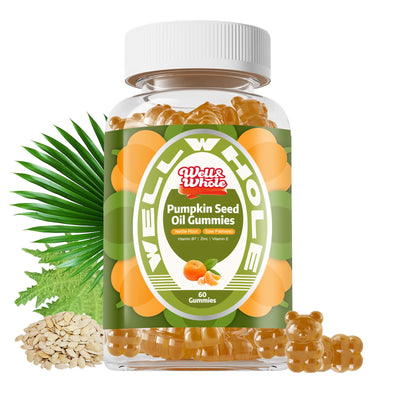
Pumpkin Seed Oil Phytosterols: A Unique Sterol Profile
well&whole's Pumpkin Seed Oil Gummies contain a phytosterol profile distinct from common plant sterol sources:

| Plant Sterol | Common Sources | Pumpkin Seed Oil | Unique Property |
| β-sitosterol | Soy, nuts, seeds | 60-70% of sterols | Primary LDL-lowering agent |
| Delta-7-sterols | Pumpkin seed, sage | 8-15% of sterols | Unique to Cucurbitaceae family |
| Stigmasterol | Soy, legumes | 5-8% of sterols | Potential anti-osteoarthritic |
| Campesterol | Canola, nuts | 3-5% of sterols | Absorption marker |
Delta-7-sterols, specifically delta-7-avenasterol and delta-7-stigmastenol, are phytosterols unique to pumpkin seed oil. A 2020 study by Gossell-Williams et al. in Phytotherapy Research found that delta-7-sterols exhibited 30% stronger 5-alpha-reductase inhibitory activity compared to beta-sitosterol in enzyme assays—a mechanism relevant to prostate health support. This dual prostate-cardiovascular benefit profile makes pumpkin seed oil an unusually versatile supplement.
---
Implications for Supplement Formulation and Consumer Guidance
The expanding understanding of plant sterol mechanisms has practical implications:
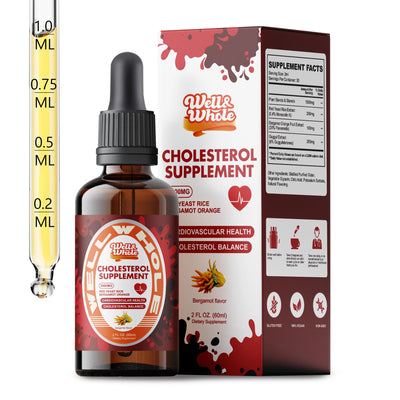
1. Liquid formulations may optimize non-LDL effects: The endothelial and anti-inflammatory effects may benefit from superior bioavailability, which liquid drop delivery provides.
2. Consistency matters for mechanisms beyond LDL: While LDL reduction plateaus within 2-3 weeks, microbiome-mediated effects and endothelial adaptations may require 8-12 weeks of consistent dosing.
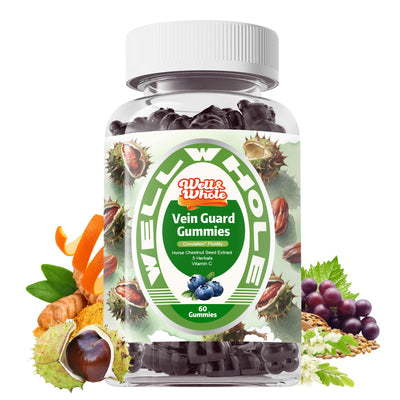
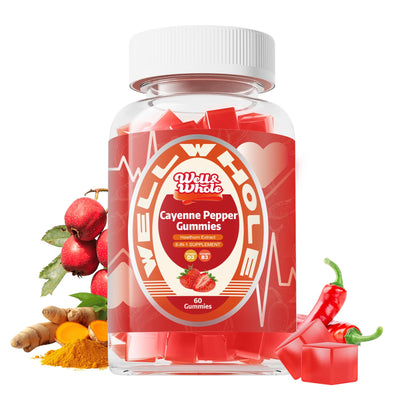
3. Multi-target cardiovascular stacks make more sense: The combination of plant sterols (multi-mechanism lipid and endothelial support), cayenne (vasodilation), and horse chestnut (venous integrity) addresses the cardiovascular system through intersecting pathways informed by both established and emerging science.
---
FAQ
Q: If plant sterols have these extra benefits, why isn't this more widely known?
A: The LDL-lowering effect is the most extensively replicated and clinically impactful finding. The newer mechanisms (endothelial, anti-inflammatory, gut-microbiome) have been studied in fewer and smaller trials. Scientific consensus takes time to incorporate emerging evidence.
Q: Do I need a higher dose of plant sterols for these additional benefits?
A: Current research has used doses similar to those recommended for LDL reduction (1.5-3g/day). Higher doses have not been specifically studied for the emerging mechanism endpoints.
Q: Can pumpkin seed oil replace standard plant sterol supplements for cholesterol?
A: Pumpkin seed oil provides a lower total plant sterol content than concentrated sterol supplements. For LDL reduction specifically, dedicated sterol formulations like well&whole's Cholesterol Support Liquid Drops are more appropriate. Pumpkin seed oil is better suited for its combined cardiovascular and prostate health support profile.

Q: Are the gut microbiome effects of plant sterols probiotic?
A: No, plant sterols modulate the existing gut microbiome rather than introducing new organisms (as probiotics do). The effect is prebiotic-like—providing substrates that favor beneficial bacterial growth.
Q: Is there any risk with the TMAO-lowering effect?
A: No known risks. Lower TMAO is associated with lower cardiovascular risk in observational studies. However, TMAO reduction has not yet been proven in a randomized trial to reduce cardiovascular events directly.
Q: How does this research affect my supplement strategy?
A: It reinforces the value of consistent, long-term use rather than short-term or intermittent supplementation. The non-LDL mechanisms require sustained exposure and may provide benefits that accumulate over months rather than weeks.
---
Conclusion
Plant sterol research is undergoing a significant expansion. While LDL cholesterol reduction remains the established and clinically validated primary mechanism, accumulating evidence points to additional cardiovascular benefits: enhanced endothelial function via AMPK-eNOS signaling, direct anti-inflammatory effects through TLR4-NF-κB pathway modulation, and gut microbiome interactions that influence bile acid metabolism, SCFA production, and TMAO levels.
well&whole's Cholesterol Support Liquid Drops and Pumpkin Seed Oil Gummies harness this multi-mechanism potential, delivering plant sterols in formats optimized for bioavailability and consistent dosing. The future of plant sterol supplementation may lie not just in lowering numbers on a lab report, but in supporting vascular health through an integrated network of metabolic, inflammatory, and microbial pathways.
Stay informed about the evolving science at wellwholeshop.com.
Related supplements
Should you decide to supplement, well&whole Horse Chestnut Extract Gummies, Circulation Supplements for Legs and Cayenne Pepper Heart Health Gummies with Hawthorn & CoQ10 & Turmeric are our formulation for this purpose. For a broader comparison, see the Heart Health and CoQ10 collections.
These statements have not been evaluated by the Food and Drug Administration. This product is not intended to diagnose, treat, cure, or prevent any disease.