Electrolytes for Kids: When They Actually Need Them

Short answer: Most healthy children do not need electrolyte drinks. Everyday play, even sweaty play, is covered by water and normal meals. Electrolytes genuinely help in a narrow set of situations — fever with poor intake, vomiting or diarrhoea, long hot-weather activity, or a child who is barely eating — and the type of product matters as much as the decision to use one.
Why children lose water and electrolytes faster than adults
Children have a higher surface-area-to-body-weight ratio and a smaller fluid reserve, so they turn over water quickly. A toddler who spends two hours running around in July can lose a meaningful share of body water before anyone notices. The same physiology means that when a child does get dehydrated, it happens faster than it would in a parent.
Sweat contains sodium, chloride and potassium. In ordinary play those losses are small. In prolonged heat, or during illness with vomiting or diarrhoea, they add up — and that is where the pediatric conversation about electrolytes actually lives.
When electrolytes genuinely help
| Situation | What usually helps |
|---|---|
| Fever with poor drinking | Small, frequent sips; oral rehydration solution if intake stays low |
| Vomiting or diarrhoea | Oral rehydration solution in small amounts every few minutes; pediatric advice if it persists |
| Long, hot-weather sport (60+ minutes, heavy sweating) | Water first, plus a low-sugar electrolyte drink |
| Child who is barely eating for a few days | Fluids with some sodium and potassium; talk to your pediatrician |
| Ordinary play, mild weather, normal meals | Water and food — no electrolyte product needed |
Oral rehydration solutions are the category with real clinical evidence behind them. They are formulated to a specific sodium-to-glucose ratio that helps the gut pull water back into the body. Sports drinks are a different product with a different purpose, and many are far sweeter than a rehydration solution.
When water is enough
For most children, most days, plain water plus regular meals is the whole answer. A child eating fruit, dairy, beans, potatoes, leafy greens, yoghurt or salty crackers is taking in sodium, potassium and magnesium continuously. The multivitamin question comes up here too: a broad children's multivitamin can be a reasonable backstop for a picky eater, but it does not replace fluids and it does not prevent dehydration.
A practical hydration check: pale straw-coloured urine and regular bathroom trips mean you are fine. Dark urine, a dry mouth, few tears when crying or unusual sleepiness in a young child are reasons to act and to call a clinician.
The sugar and sodium trap on the shelf
Read the food labels on the sports-drink shelf and you will find bottles carrying 20–34 g of sugar. That is a dessert's worth of sugar in a drink marketed for activity. Sweet, concentrated drinks can also pull water into the gut and make nausea worse during illness, which is why rehydration solutions are deliberately less sweet.
Sodium is the other half of the story. Some children's electrolyte powders contain very little sodium; some adult products contain far too much for a small body. Compare the sodium per serving against a standard oral rehydration solution before you buy.
Age limits worth knowing
Infants under one year should not be given commercial sports drinks or adult electrolyte products. Their kidneys and fluid balance are handled differently, and a pediatrician should guide any rehydration decision. For toddlers and older children, choose a product designed for the age group, and start with water when the child is alert and drinking willingly.
A simple homemade oral rehydration mix
The World Health Organization's classic home recipe is a reasonable stopgap when you cannot get a proper solution: one litre of clean water, six level teaspoons of sugar, and half a level teaspoon of salt, stirred until dissolved. Measure carefully — too much salt is worse than none — and use it within a day. It is not a replacement for a commercial oral rehydration solution in a sick infant, and it is not a sports drink for a healthy toddler at the playground.
What about everyday minerals
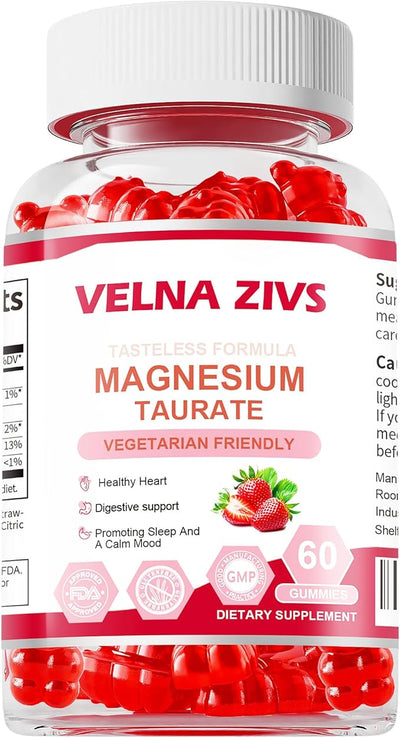
Magnesium and potassium are electrolytes too, and they come mostly from food: bananas, potatoes, beans, yoghurt, leafy greens, nuts and seeds. If your child eats a narrow range of foods — the classic picky eating pattern — a magnesium-containing supplement designed for children and adults can help fill the gap. Choose a chelated, gentle form, keep to the label dose, and treat it as nutritional support rather than a hydration strategy.
Key takeaways
- Water and meals cover nearly every child's electrolyte needs on an ordinary day.
- Oral rehydration solutions have real evidence for vomiting and diarrhoea; sports drinks do not serve the same purpose.
- Check labels for sugar (often 20–34 g per bottle) and sodium before choosing a product.
- Infants under one need pediatric guidance, not a sports drink.
- Pale urine, regular bathroom trips and normal energy are the simplest signs that hydration is fine.

Frequently asked questions
Do kids need electrolyte drinks after sports?
Usually not. For sessions under an hour in mild weather, water is enough. For long, hot practices with heavy sweating, water plus a low-sugar electrolyte drink is reasonable — and a salty snack with water does much of the same job.
Can I give my child a sports drink when they are sick?
It is not the best choice. Sports drinks are high in sugar and low in sodium compared with oral rehydration solutions, and the sweetness can worsen nausea. Use a properly formulated rehydration solution for illness, and check with your pediatrician if symptoms last more than a day.
How do I know if my child is dehydrated?
Look at urine colour, bathroom frequency, energy, tears and mouth moisture. Dark urine, fewer wet nappies, unusual sleepiness or a child who will not drink need prompt attention — and medical advice for an infant.
Are electrolyte powders safe for a picky eater?
They are not a fix for a limited diet. It is better to work on the food range — and, where a clinician agrees, add a children's multivitamin or a gentle mineral supplement — rather than masking a narrow diet with a salty drink.
Related supplements
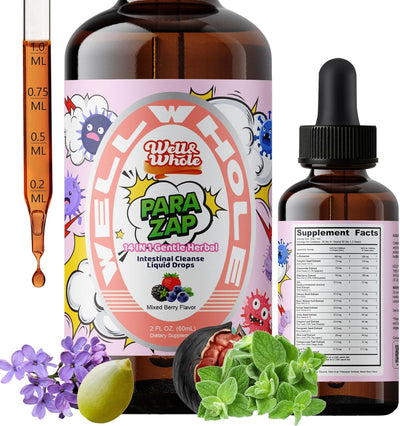
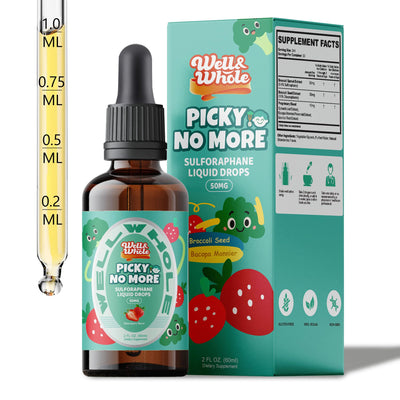
If you'd like to try it, Kids’ Black Walnut Digestive Support Drops, 14-in-1 Herbal Formula, Mixed Berry, Ages 1+, 2 fl oz and Sulforaphane Broccoli Supplement Liquid Drops for Kids with Sulforaphane, Glucoraphanin, Bacopa Monnieri are the closest match to what we've covered here. Browse Immune Support and Digestive Support to see how the alternatives compare.
These statements have not been evaluated by the Food and Drug Administration. This product is not intended to diagnose, treat, cure, or prevent any disease. Talk to a healthcare professional before starting any new supplement, especially if you are pregnant, nursing, taking medication, or managing a health condition.